Nakalama John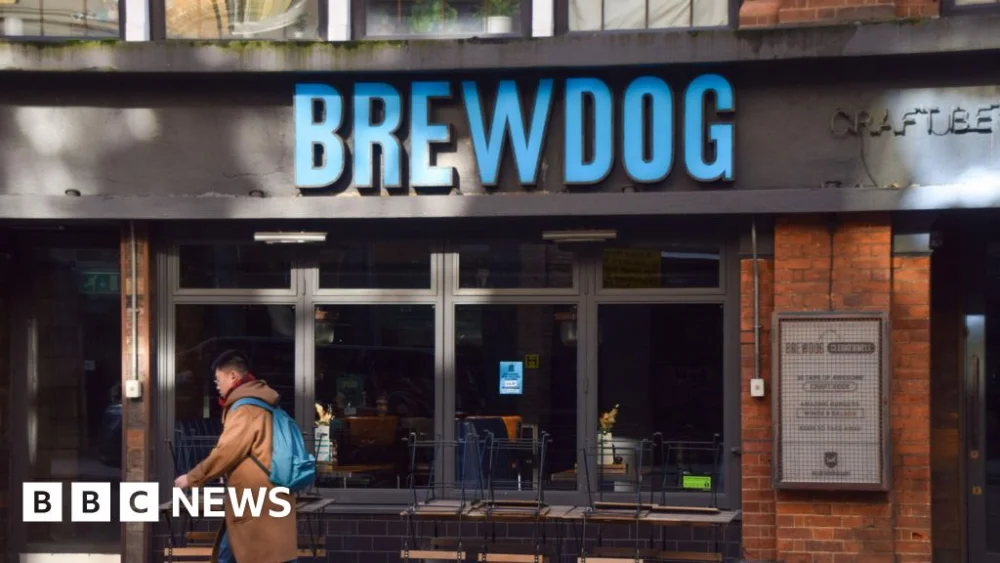
Administrators from AlixPartners confirmed the deal, highlighting that it has successfully preserved 733 jobs within the company’s UK operations. However, the rescue package came at a significant cost: 484 employees have been made redundant, and 38 Brewdog bars not included in Tilray’s acquisition have ceased trading with immediate effect. This dramatic development marks a sombre chapter for the Aberdeenshire-based company, which had been struggling to turn a profit in recent years, leading to the appointment of consultants AlixPartners last month, who were officially named administrators on Monday.
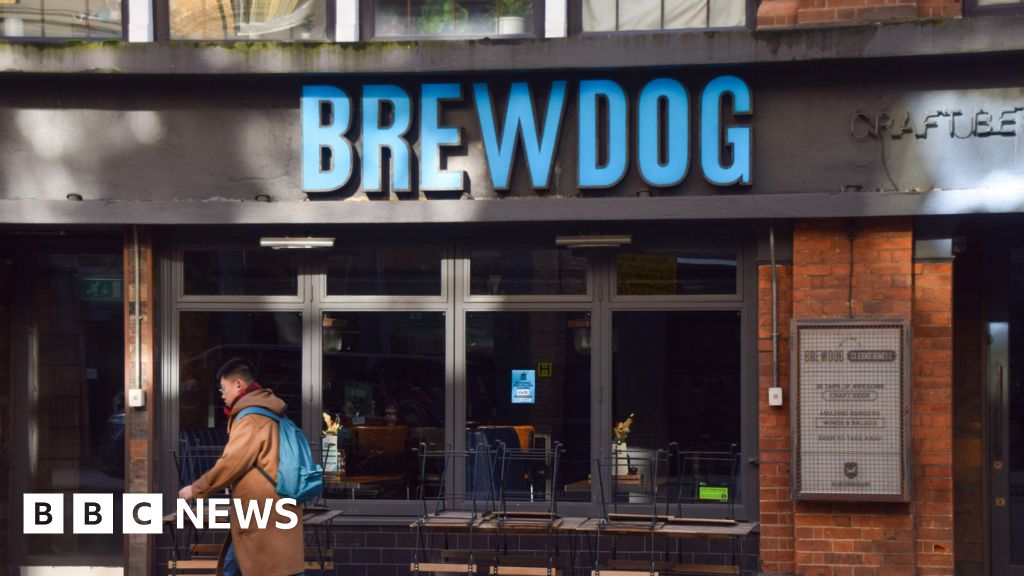
The sale also delivers a crushing blow to the approximately 200,000 small investors who collectively poured an estimated £75 million into Brewdog through its pioneering "Equity for Punks" crowdfunding scheme. Administrators explicitly stated that no equity holders, including these fervent "punks," would receive any return from the £33 million deal. This outcome stems from the financial structure put in place when US equity firm TSG Consumer Partners acquired a 22% stake in Brewdog in 2017. Unlike the "ordinary" shares held by Equity for Punks investors, TSG was granted "preference shares." This arrangement meant that in the event of a sale or liquidation, TSG was first in line to recoup its investment plus any agreed-upon returns, effectively leaving nothing for the smaller, ordinary shareholders once the company entered administration and was sold for a sum that primarily covered secured creditors and preference shareholders.
Tilray Brands, a diversified company with a growing presence in the craft beer market, already owns several US craft beer brands and views the acquisition as a significant opportunity for expansion within the UK and international markets. Under the terms of the deal, Tilray will assume control of key Brewdog facilities, including the main brewery in Ellon, Aberdeenshire, and The Hop Hub, a vital national distribution centre located in Motherwell, Lanarkshire. While the majority of the UK bar estate faced closure, the 11 pubs included in the Tilray deal will continue to operate, along with Brewdog’s 18 franchise bars both in the UK and internationally, which were not part of the administration process.
However, the fate of Brewdog’s wider global footprint remains fragmented. Negotiations are still ongoing for a potential deal concerning the company’s assets in the United States and Australia. In contrast, Brewdog’s German arm, which comprises a brewery and bar in Berlin, was not included in the sale to Tilray and is slated for liquidation. The immediate impact of the administration was stark, with all Brewdog bars temporarily closing their doors on Monday to facilitate staff meetings, and online sales being suspended as the company grappled with the fallout.
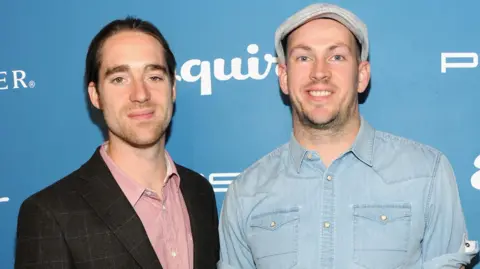
Founded in 2007 by friends James Watt and Martin Dickie, Brewdog quickly rose to prominence by positioning itself as an anti-establishment, craft beer revolutionary. From its humble beginnings in Fraserburgh, Aberdeenshire, the company expanded rapidly, eventually boasting four breweries and approximately 100 pubs worldwide. Its audacious marketing stunts and direct-to-consumer crowdfunding model captivated a loyal following, turning "Equity for Punks" into a case study for alternative finance, raising substantial capital that fueled its ambitious international growth.
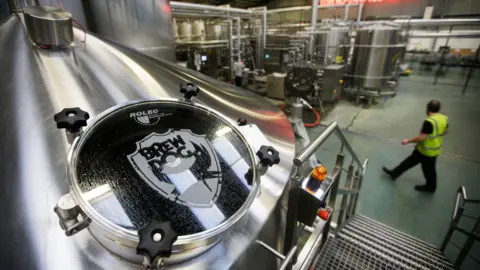
Yet, the meteoric rise was not without its challenges and controversies. Over the past five years, Brewdog failed to register a profit, accumulating losses of nearly £150 million and becoming mired in significant debt. The financial woes began to manifest publicly with a series of operational cutbacks. Last October, the company announced widespread job cuts across its business, and earlier in 2025, it confirmed the closure of 10 UK bars, including its flagship pub in Aberdeen. Production of gin and vodka brands at its Ellon distillery was also halted last month, signalling deepening distress.
Beyond financial struggles, Brewdog’s once-unblemished "punk" image suffered significant blows. In 2024, the company faced a widespread backlash after revealing it would no longer commit to hiring new staff on the real living wage, instead opting for the lower legal minimum wage. This decision was seen by many as a betrayal of its progressive values and an affront to its employees. The company also faced allegations of a toxic workplace culture in previous years, further tarnishing its reputation. In the wake of these challenges, co-founder James Watt stepped down as chief executive officer, transitioning to a newly created role of "captain and co-founder," while Martin Dickie, the other co-founder, left the company entirely last year, citing personal reasons.
As news correspondent David Henderson observed, Brewdog’s journey is now an "epic story of boom and bust." What started as a marketing dream, born from a garage and challenging a "stuffy and corporate" UK brewing industry, saw its value soar to approximately £1 billion within a decade. However, the last five years have been a "painful hangover" marked by a "hammered" reputation and crippling financial losses. The new owners, Tilray, are strategically acquiring what they perceive as the profitable core assets in the UK, but the vast majority of Brewdog’s UK pubs and their dedicated staff have been left behind. The administration process means small investors, who believed in the brand’s rebellious spirit, are now facing total loss of their £75 million stake. In a stark and ironic twist, Brewdog, the self-proclaimed rebel outsider, has ultimately "fallen flat like any old corporate failure," concluding a chapter of audacious ambition and eventual corporate collapse.

 George Anjay
 atisusanti
 Ramos Leo
 Nana Banana