Nana Banana
The B Corp certification is not merely a label; it represents a comprehensive framework that evaluates a company’s entire social and environmental impact. This includes everything from supply chain and input materials to charitable giving and employee benefits. To achieve certification, businesses must complete the B Impact Assessment, a detailed questionnaire covering five key areas: Governance, Workers, Community, Environment, and Customers. Beyond this, they must amend their legal governing documents to reflect their commitment to balance profit and purpose, ensuring that stakeholder interests beyond just shareholders are considered in decision-making. This legal requirement solidifies their dedication to long-term sustainability and ethical practice, distinguishing them from traditional businesses whose primary legal obligation is often solely to maximise shareholder returns.
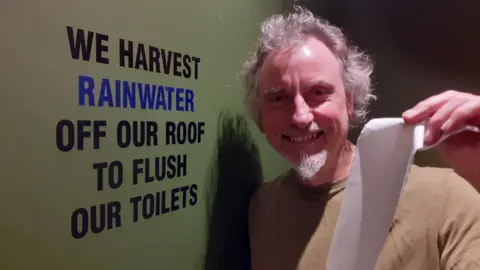
Greg Pilley, managing director of the pioneering Stroud Brewery, articulated the profound impact of consumer choices within this evolving landscape. "Probably one of the most powerful things we can do as individuals is spend your money in the right places for a changing world," he stated. Stroud Brewery exemplifies this philosophy through its operational practices. As an organic brewery, it eschews the use of harmful pesticides and herbicides, protecting local ecosystems, soil health, and water quality – a vital step in promoting biodiversity and sustainable agriculture. Furthermore, the brewery significantly reduces its reliance on mains water by harvesting rainwater from its roof to flush its toilets, a simple yet effective measure in water conservation.
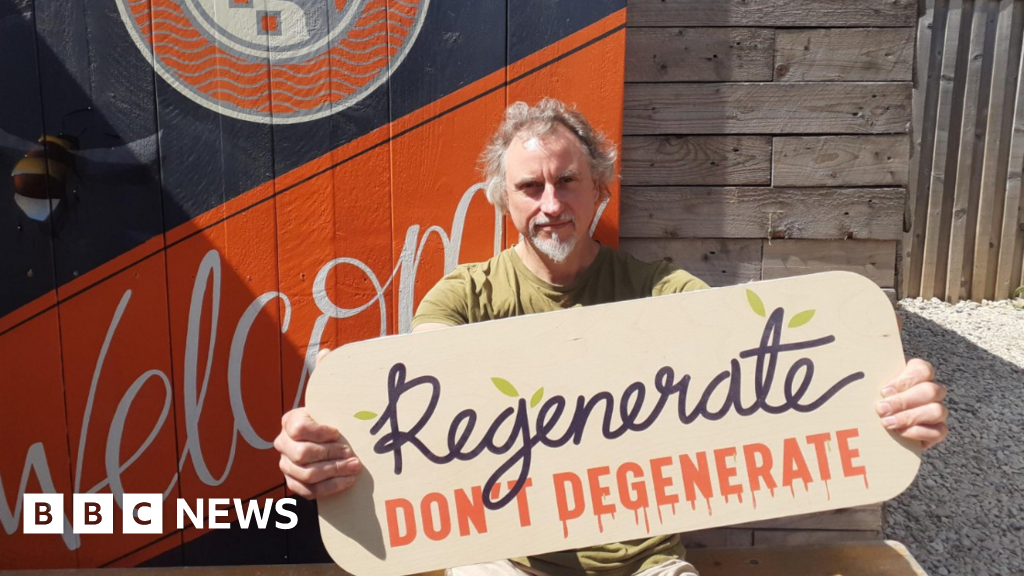
Pilley elaborated on their unique financial model, which further embeds them within the local community. "Our finances never come from banks but from community loans, so all the interest we pay goes back into the local community," he proudly shared with BBC Radio Gloucestershire. This innovative approach fosters a circular economy, keeping wealth within the region and empowering local citizens to invest ethically in a business that aligns with their values. This model contrasts sharply with conventional banking, where interest often flows out of the community. For Pilley, the imperative is clear: "In this day and age, it is not acceptable for a business to make a profit if it does come at a cost to people and planet." This statement encapsulates the core B Corp philosophy, advocating for a "triple bottom line" where economic success is intrinsically linked to social equity and environmental stewardship. Stroud Brewery’s commitment extends to its employees, offering fair wages, robust benefits, and a supportive work environment, further demonstrating its dedication to the "people" aspect of its mission.
Echoing this sentiment from a different sector, Anna McLoughlin, a talented jewellery maker based in the verdant Forest of Dean, underscored the importance of conscious consumerism. She urged consumers not to "just buy the first thing that pops up onto your phone screen." McLoughlin’s own business operates from an off-grid, solar-powered studio, dramatically reducing her carbon footprint and demonstrating energy independence. Her primary motivation for pursuing B Corp certification was to provide verifiable proof of her environmentally friendly and ethical business practices, a crucial differentiation in a market increasingly wary of "greenwashing."
McLoughlin believes the certification encourages deeper inquiry, prompting people to "ask questions, and not just accept everything at face value" when purchasing goods and services. She encourages a simple yet powerful line of questioning: "Think about, where has this come from? Who has made it? What is the supply chain to get this product or service?" For a jewellery maker, this translates to sourcing recycled precious metals, ensuring any gemstones are conflict-free and ethically mined, and maintaining transparency throughout her supply chain. By educating consumers on the true cost of production, McLoughlin aims to empower them to make choices that support sustainable practices and fair labour, moving away from a culture of disposable consumption towards one of thoughtful acquisition. Her craft is not just about aesthetics but about the story and integrity embedded in each piece.
The B Corp movement, while growing, still largely comprises small and medium-sized businesses, as noted by B Lab, the non-profit organisation behind the certification. However, they have recently introduced "more rigorous standards" to ensure the integrity and impact of the certification continue to evolve. This commitment to continuous improvement reinforces the credibility of the B Corp seal.
In Cheltenham, Angie Petkovic, managing director of Beechurst Serviced Apartments in The Reddings, offers another compelling example of a business integrating purpose with profit. Her property is powered by solar energy, significantly reducing its reliance on fossil fuels and lowering its operational carbon footprint. Furthermore, a remarkable 80% of the products used within the apartments are sourced within a 25-mile radius of the property. This commitment to local sourcing not only supports other regional businesses and the local economy but also drastically cuts down on transportation emissions and ensures freshness for consumables. This includes everything from locally roasted coffee and artisanal toiletries to cleaning supplies and maintenance services, all chosen for their environmental credentials and community benefits.
Beyond her business operations, Petkovic extends her dedication to the "people" aspect of the triple bottom line by actively volunteering for local charities and mentoring young people. This involvement provides invaluable support to the community and helps cultivate the next generation of ethical leaders and entrepreneurs. "It means we’re a business for the purpose, so we’re not all about profit and we explain that we are taking care of the environment," Petkovic explained, articulating the core B Corp principle. She emphasised their holistic approach: "We are looking after the land and the property that we’ve got while we’re here, and that we work very hard to limit waste in all areas." This includes extensive recycling programs, composting organic waste, reducing single-use plastics for guests, and implementing energy-efficient appliances and lighting throughout the property. Her approach demonstrates that luxury and sustainability are not mutually exclusive but can, in fact, enhance the guest experience and build a loyal customer base that values responsible tourism.
The collective message from these Gloucestershire businesses is a powerful call to action: profitability need not come at the expense of our planet or its people. By embracing certifications like B Corp, companies can verify their commitment to a higher standard of business. For consumers, the message is equally clear: every purchasing decision is an opportunity to support businesses that are actively building a more sustainable and equitable future. As the global challenges of climate change and social inequality intensify, the leadership shown by Gloucestershire’s B Corps serves as an inspiring blueprint for a more responsible and regenerative economy, proving that businesses can indeed be a force for good. Their advocacy encourages a ripple effect, inviting more companies to join the movement and fostering a community where ethical practice is the norm, not the exception.




 Roy Suryo