
 Roy Suryo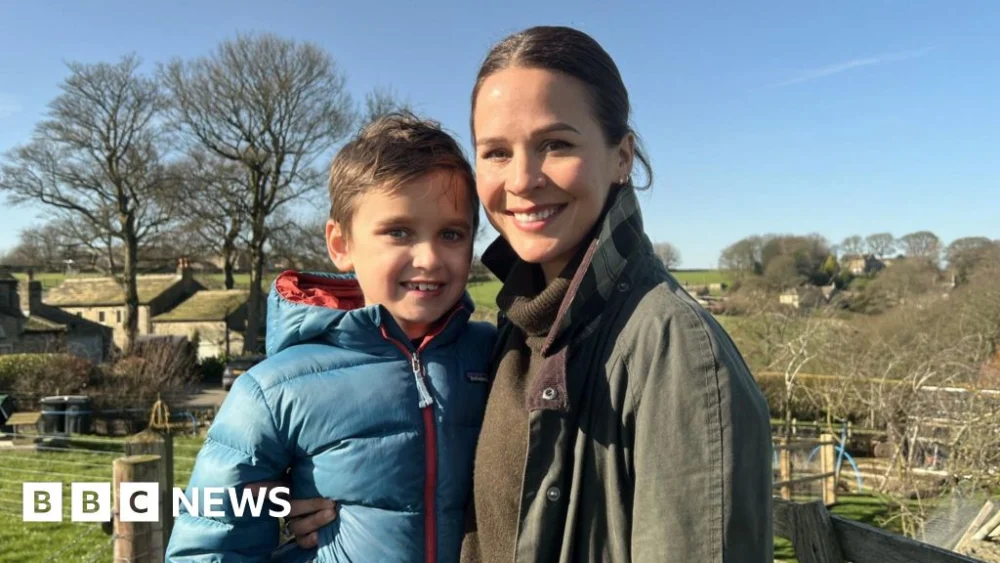
A groundbreaking new therapy is offering a beacon of hope for children afflicted with a severe and often devastating form of epilepsy, transforming their lives and those of their families. This innovative treatment, known as zorevunersen, is administered via a spinal infusion and targets the underlying genetic cause of Dravet syndrome, a rare and aggressive neurological disorder that affects approximately one in every 15,000 newborns. Without effective interventions, children with Dravet syndrome can experience hundreds of life-threatening seizures daily, placing them at significant risk of injury, developmental delays, and even premature death. The advent of zorevunersen represents a paradigm shift in managing this challenging condition, moving beyond symptom control to address the root of the problem.
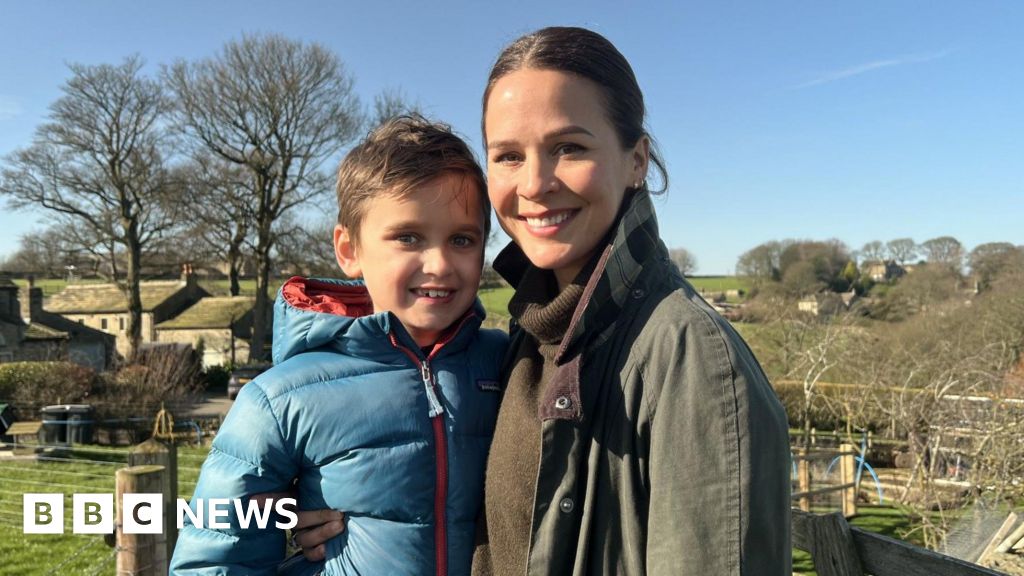
Eight-year-old Freddie Truelove, from Huddersfield, is among the first children in the United Kingdom to receive this revolutionary treatment. His journey exemplifies the profound impact zorevunersen can have. Before commencing the therapy, Freddie endured a staggering number of seizures daily, significantly limiting his ability to engage in everyday activities. Now, following treatment, his seizure frequency has dramatically reduced to just a couple per week. Freddie’s mother, Lauren, shared with BBC News the immense relief and joy the drug has brought to their family. "We now have a life we didn’t ever think was possible and, most importantly, it’s a life that Freddie can enjoy," she expressed, her voice filled with emotion. The transformation has been remarkable, enabling Freddie to participate in activities that were previously unimaginable. "Before treatment, life was difficult," Lauren recounted. "Since, he’s climbed mountains, we can go out walking with the dogs, walk around the lakes. And he’s even been skiing. He’s out there… enjoying life." These are not mere anecdotes; they are testaments to a treatment that is restoring childhood to children who have been robbed of it by this relentless disease.
The promising early trial results, meticulously documented in the esteemed New England Journal of Medicine, indicate that zorevunersen can be safely administered to adolescents and young children, with the treatment being effective for individuals as young as two years old. Developed by Stoke Therapeutics, the drug is delivered as an infusion into the lower back, allowing it to travel through the spinal fluid and reach the brain, the site where it is critically needed. Dravet syndrome is primarily caused by a mutation in one of the two copies of the SCN1A gene. This gene plays a crucial role in the brain’s ability to produce sodium channels, which are essential for neurons to communicate effectively by sending electrical signals. In individuals with Dravet syndrome, this genetic defect leads to a deficiency in these vital sodium channels, resulting in disrupted neuronal activity and the hallmark seizures of the condition. Zorevunersen is ingeniously designed to counteract this deficiency by stimulating the production of more functional sodium channels, thereby promoting healthier brain activity and significantly reducing or even eliminating seizures.
Professor Helen Cross, a leading researcher from University College London’s Institute of Child Health and Great Ormond Street Hospital, expressed her profound enthusiasm for the trial outcomes. "It is exciting. It’s amazing," she stated, highlighting the transformative potential of the drug. "With improvements, that gives them real hope that they are able to carry out more normal lives, particularly with their families. And even perhaps, if we get the treatment right, get near normal living in the longer term." The impact of this therapy is being felt globally, with young patients participating in trials in both the US and the UK reporting an astonishing reduction in seizures, with some experiencing up to a 90% decrease while on repeated doses of zorevunersen.
The UK’s involvement in these pivotal trials has been significant, with 19 out of the 81 participants being patients at leading NHS institutions. These include Great Ormond Street Hospital, Sheffield Children’s Hospital, The Royal Hospital for Children in Glasgow, and UCL. Many of these children, including Freddie, are continuing to receive the medication as part of ongoing research initiatives, underscoring the commitment to further understanding and optimizing the treatment’s efficacy. While the initial results are overwhelmingly positive, experts emphasize that more comprehensive data from larger, long-term studies, such as Phase Three clinical trials, are necessary before zorevunersen can be widely recommended for clinical use. However, the current findings offer a substantial and tangible source of optimism for families navigating the complexities of Dravet syndrome.

Galia Wilson, Chair of Trustees for Dravet Syndrome UK, articulated the profound significance of these advancements for the patient community. "We regularly see the devastating impact that this condition has on the lives of families," she commented. "That’s why we’re so thrilled about these latest results from the initial zorevunersen clinical trials." The organization is now eagerly anticipating the commencement of Phase Three clinical trials, which will be instrumental in determining whether the early promise demonstrated in these initial studies can translate into sustained and widespread hope for all families affected by Dravet syndrome. The development of zorevunersen marks a critical juncture in the fight against rare genetic epilepsies, offering a glimpse into a future where children with even the most severe forms of the condition can lead fuller, healthier, and more empowered lives. This drug breakthrough is not just a scientific achievement; it is a lifeline, a testament to human ingenuity, and a profound symbol of hope for thousands of families worldwide. The ongoing research and potential for wider adoption of zorevunersen signal a new era in pediatric neurology, one characterized by targeted therapies that address the root causes of devastating diseases and restore the possibility of a normal childhood. The journey is far from over, but for the first time, a clear path towards significant improvement and a brighter future is visible for children with Dravet syndrome. The dedication of researchers, clinicians, and pharmaceutical companies, coupled with the bravery of the children and their families participating in these trials, is paving the way for a future where epilepsy, in its most extreme forms, may no longer dictate the course of a young life.




 Nakalama John
 atisusanti
 Ramos Leo
