Nana Banana
The tranquility of Radley Road in Abingdon-on-Thames is set to be shattered for many residents as Oxfordshire County Council prepares to implement a sweeping parking ban, igniting a fierce dispute between local homeowners and the authorities. From next week, a significant stretch of the residential street will become a no-go zone for parked cars during most daylight hours, a move designed to alleviate traffic bottlenecks and accelerate bus services through the historic market town. While the council champions the initiative for efficient public transport and improved cycling, the community directly affected feels their fundamental right to park outside their homes has been sacrificed for marginal gains in bus journey times.
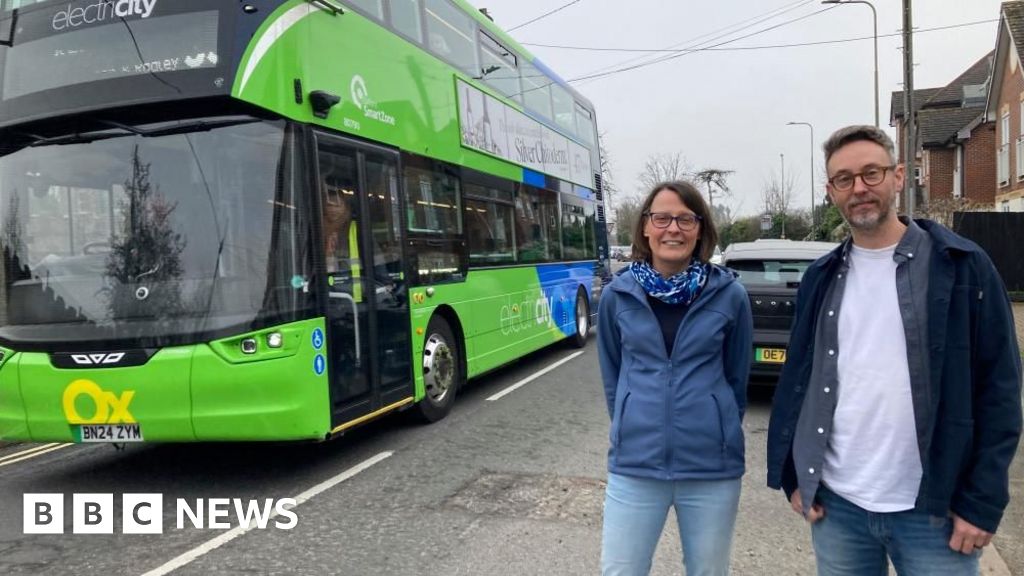
The new restrictions, effective Monday to Saturday from 08:00 to 18:00, will see single yellow lines painted along key sections of Radley Road. For many of the street’s Edwardian properties, which predominantly lack off-street parking, this means residents will be forced to seek alternatives on already congested neighbouring streets, often considerable distances from their homes. This drastic alteration to daily life stems from a broader county-wide strategy aimed at boosting public transport efficiency and encouraging sustainable travel.
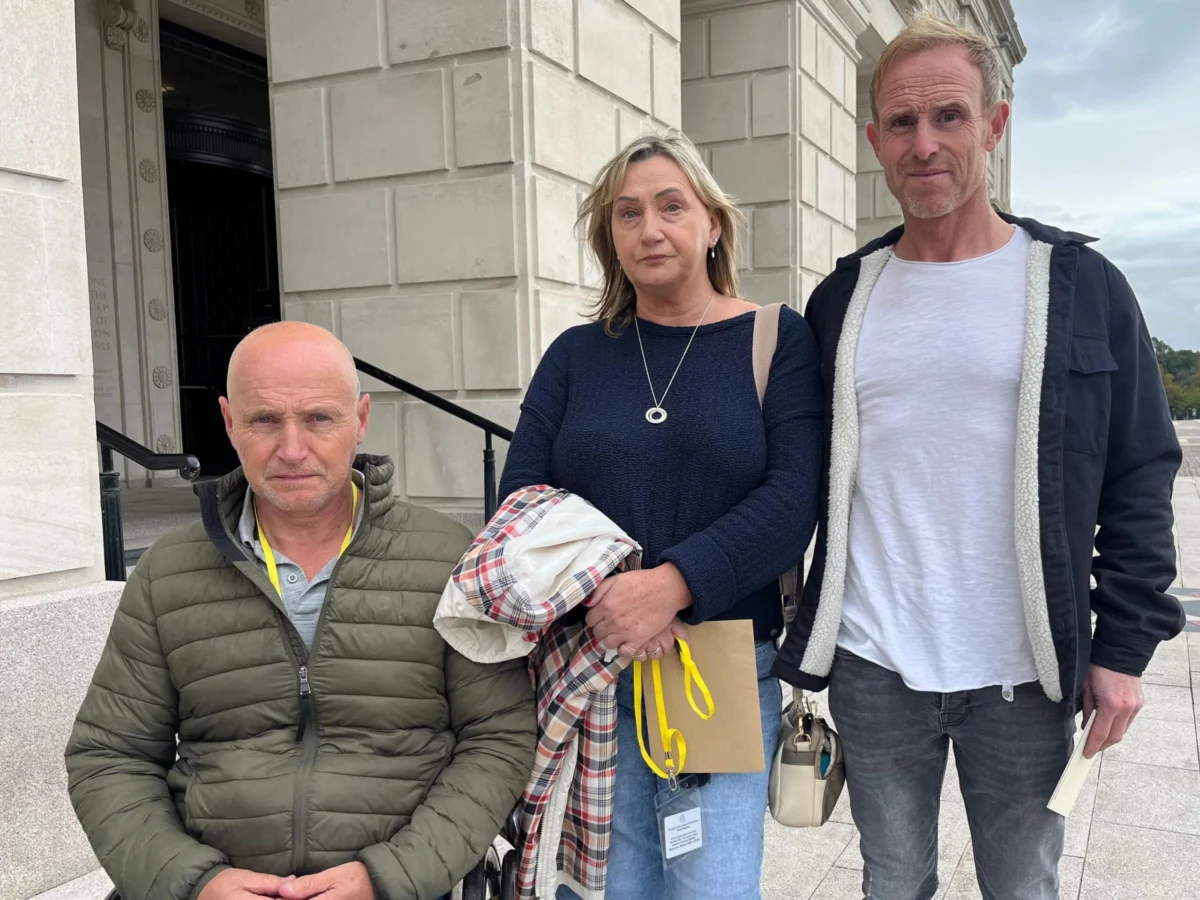
Leading the charge against the council’s decision is James Broome, a vocal resident who feels the policy disproportionately penalises the community. "It feels like our lives are being unfairly affected," Broome stated, reflecting the frustration shared by many. "We have families with young children, elderly residents, and numerous people who rely on their cars for work. The council is essentially telling us that our essential parking needs are secondary to shaving a few seconds off a bus journey. It’s an insult to the people who call this street home."
Broome highlighted the specific challenges for different demographics. Parents face daunting prospects carrying groceries, pushchairs, or young children long distances, raising safety concerns. Elderly residents, many with limited mobility, fear increased isolation, dependent on cars for appointments, shopping, and connection. "This ban will effectively cut them off from essential services and social interaction," he asserted. Angharad Saunders, another resident, echoed these concerns, emphasising the severe lack of alternative parking. "We have very few parking alternatives," Saunders explained. "Our Edwardian houses lack off-street parking, so we’re going to struggle immensely. Where are we supposed to put our cars for ten hours a day, six days a week?" She warned that forcing residents onto narrower, already parked-up side streets would create new problems: increased congestion, potential road safety hazards, and friction between neighbours. "




 Roy Suryo