Nana Banana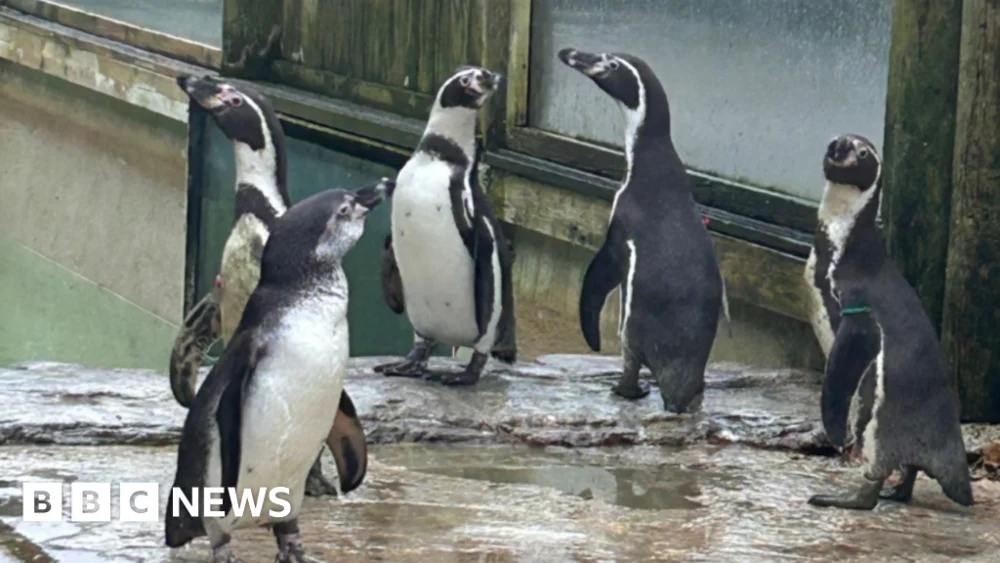
Birdland Park and Gardens has long been celebrated for its diverse collection of birdlife, set within nine acres of natural parkland and rivers. Its commitment to conservation, particularly for penguins, has positioned it as a key player in European breeding programmes. The park is home to England’s only breeding colony of King penguins, alongside a robust group of Humboldts, making it a pivotal centre for the study and protection of these fascinating aquatic birds. The new arrivals, all hatched in 2024, represent the latest generation to join this vital conservation project, bringing fresh genetic diversity to the existing population.
Humboldt penguins, scientifically known as Spheniscus humboldti, are native to the Pacific coasts of Peru and Chile, inhabiting the arid and semi-arid regions influenced by the cold Humboldt Current. These medium-sized penguins are easily recognizable by their distinctive black band across the chest and the pink fleshy patch around their eyes, which helps regulate their body temperature in warmer climates. They typically grow to about 56-70 cm (22-28 inches) in height and weigh between 3.6-5.9 kg (8-13 lbs). Their diet primarily consists of small fish like anchovies and sardines, which they skillfully hunt by diving to depths of up to 150 meters.
However, the future of Humboldt penguins in the wild is precarious, with the species currently listed as "vulnerable" on the International Union for Conservation of Nature (IUCN) Red List. This designation signifies that the species faces a high risk of extinction in the medium-term future if the threats to its survival persist. The primary challenges facing wild Humboldt penguin populations are multifaceted and severe. Climate change significantly impacts their marine environment, leading to changes in ocean currents and the availability of their food sources. Overfishing by human populations further depletes the fish stocks essential for their survival, forcing penguins to travel greater distances for food, which expends crucial energy and reduces breeding success. Habitat disturbance, including human encroachment, coastal development, and the historical collection of guano (accumulated seabird droppings used as fertilizer) which destroys nesting sites, also plays a substantial role in their decline. Furthermore, entanglement in fishing nets and pollution from oil spills pose direct and immediate threats to individual birds and entire colonies.
In response to these dire circumstances, managed breeding programmes in conservation zoos across Europe, such as the one Birdland participates in, play an absolutely vital role. These programmes are meticulously coordinated, often through organizations like the European Association of Zoos and Aquaria (EAZA), to ensure the maintenance of a healthy, genetically diverse population. By carefully managing breeding pairs and tracking genetic lineages, zoos aim to create an "insurance population" that could potentially be used for reintroduction into the wild should circumstances permit, or at the very least, safeguard the species from complete extinction. The arrival of the three young males from Folly Farm is a testament to the success and importance of this collaborative approach, as it introduces new genetic material to Birdland’s colony, thereby strengthening its overall genetic health and long-term viability.
The journey for these penguins from Folly Farm, a highly respected zoo in South Wales known for its commitment to animal welfare and conservation, was undertaken with the utmost care. Keepers from both institutions worked closely to ensure the birds experienced minimal stress during transit. Animal transportation protocols involve specialized, secure crates, constant monitoring by trained handlers, and careful temperature control. The Birdland keepers reported that the penguins "travelled well," indicating a smooth transition and a positive start to their new lives in the Cotswolds. Upon arrival, new animals typically undergo a period of acclimatization, often involving a temporary quarantine to monitor their health and allow them to adjust to their new surroundings and new diet before being gradually introduced to the existing colony. This careful process ensures the well-being of both the new arrivals and the resident birds, minimizing potential stress or territorial disputes.
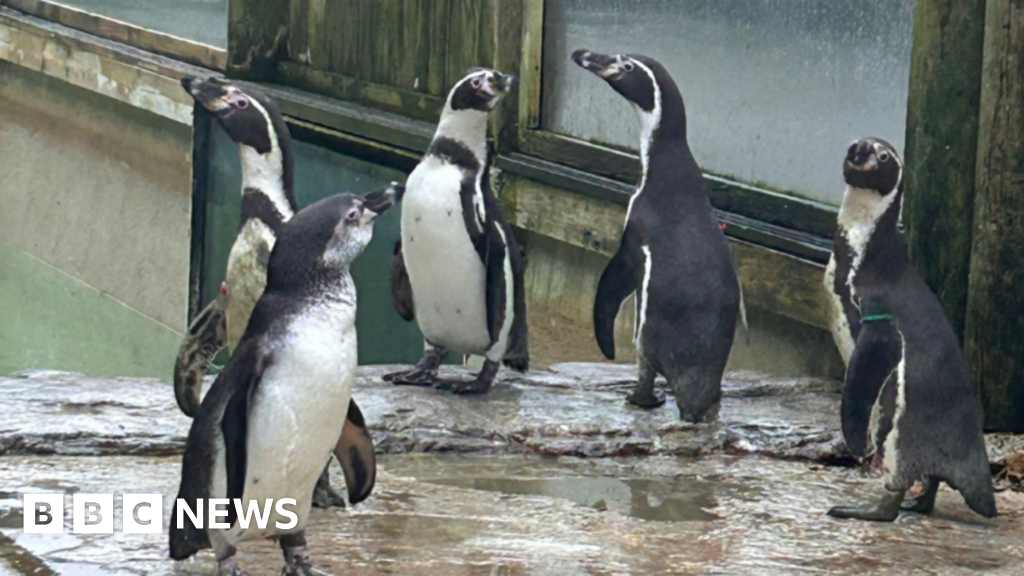
Birdland’s existing penguin colony is a highlight for visitors, featuring both the striking Humboldt penguins and the majestic King penguins. King penguins, with their vibrant orange patches and stately demeanor, are the second-largest penguin species and thrive in Birdland’s custom-built habitat, which meticulously replicates their sub-Antarctic environment. The integration of the new Humboldt males into their specific "Penguin Shore" area will be a gradual and carefully monitored process. Keepers will observe their interactions with the established Humboldts, ensuring they settle in comfortably and begin to form bonds within the colony. This period is crucial for establishing social hierarchies and ensuring the overall harmony of the group.
Birdland’s dedication to penguin conservation extends beyond its breeding programmes within the park. Last year, Alistair Keen, the head keeper at Birdland, embarked on an extraordinary expedition to Peru. He joined a team of international scientists and wildlife specialists, including ornithologists, marine biologists, and conservationists, on a more than two-week mission focused on in situ conservation – protecting species in their natural habitats. The primary objectives of this expedition included collecting vital data on wild Humboldt penguin populations, monitoring their behavior and health, and crucially, constructing artificial nest boxes. These nest boxes are essential as natural nesting sites, often found in guano deposits or natural crevices, have been severely degraded or destroyed by human activities. Providing safe, artificial nesting alternatives directly supports breeding success in the wild, offering shelter from predators and harsh environmental conditions.
The experience in Peru profoundly strengthened Birdland’s ongoing commitment to supporting global conservation initiatives. It provided invaluable insights into the specific challenges faced by Humboldt penguins in their native range and highlighted the tangible impact that direct intervention can have. This direct involvement in field conservation reinforces the park’s philosophy that conservation efforts must be holistic, encompassing both ex situ (zoo-based) breeding programmes and in situ (wild-based) protection. The arrival of the three new males at Birdland is therefore far more than just an exciting addition for visitors; it represents a tangible continuation of this coordinated, international effort. It underscores the park’s role in safeguarding the future of the species, not only by maintaining a healthy genetic reserve in the UK but also by directly contributing to the survival of their wild counterparts in South America.
Visitors to Birdland Park and Gardens can witness these magnificent creatures firsthand at the park’s specially designed Penguin Shore area. This immersive habitat provides an excellent viewing experience, often including underwater windows that allow guests to observe the penguins’ incredible agility and speed beneath the surface. Regular feeding times and informative keeper talks further enhance the visitor experience, offering insights into the penguins’ daily lives, their individual personalities, and the critical conservation work being undertaken. These interactions serve as powerful educational tools, raising awareness among the public about the threats facing Humboldt penguins and inspiring action to protect global biodiversity. The park actively uses these opportunities to explain the importance of sustainable fishing practices, reducing plastic pollution, and supporting accredited zoos that are part of international breeding programmes.
The welcoming of these three new Humboldt penguins marks another significant milestone in Birdland’s enduring legacy of conservation. It reaffirms its position as a leading institution in avian protection, blending engaging visitor experiences with crucial scientific and conservation work. As these young males settle into their new home, they not only contribute to the genetic health of the captive population but also symbolize a beacon of hope for their species, representing the collective dedication of conservationists worldwide to ensure the survival of Humboldt penguins for generations to come.



 George Anjay
 Nakalama John
 atisusanti
 Ramos Leo