
 Ramos Leo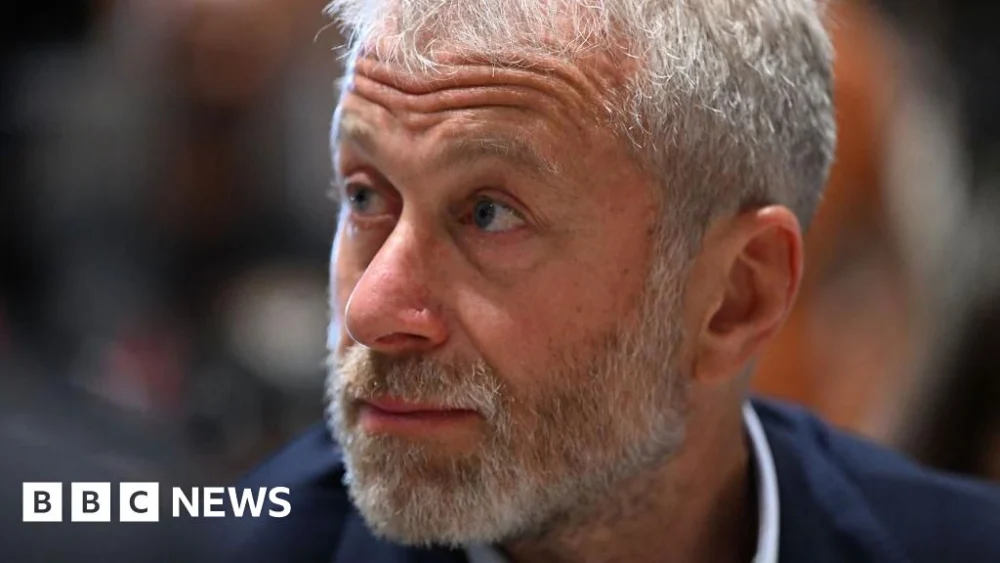
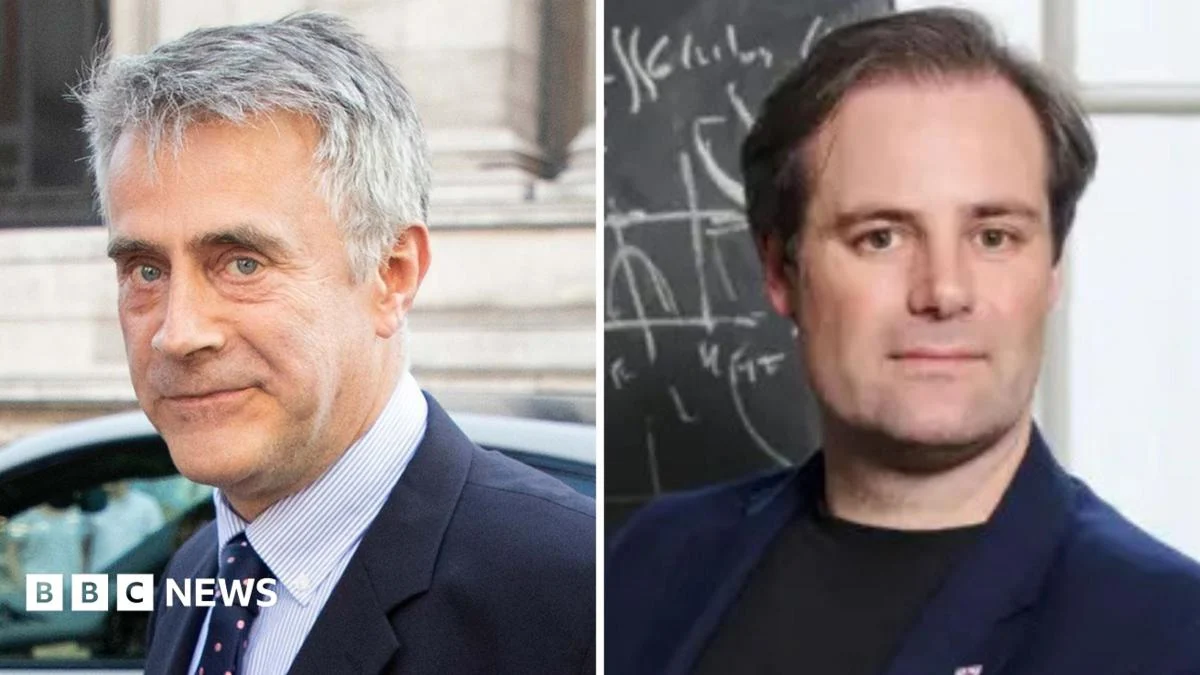
Justice Minister Jake Richards, leading the charge for Labour, articulated his concerns in a sharply worded letter, arguing that Lord Wolfson’s representation of Mr. Abramovich directly risks a conflict of interest that undermines public trust and potentially impedes critical government objectives. The Conservatives, quick to defend their colleague, dismissed Labour’s accusations as "pure politics" and a "baseless smear," reiterating the long-standing legal principle that "barristers act for clients, not causes." This defence centres on the "cab rank rule," a cornerstone of the English legal profession that mandates barristers accept briefs in areas in which they practise, regardless of their personal opinions of the client or the case.
Lord Wolfson, a distinguished King’s Counsel, is part of the legal team representing Roman Abramovich, the former owner of Chelsea Football Club, in a significant court battle against the government of Jersey. This legal challenge stems from the freezing of more than £5.3 billion of assets linked to Mr. Abramovich by Jersey authorities in April 2022, shortly after the UK government imposed sanctions on him. The Jersey government initiated an investigation to ascertain the origin of these substantial funds, triggering a complex and protracted legal dispute that continues to unfold.
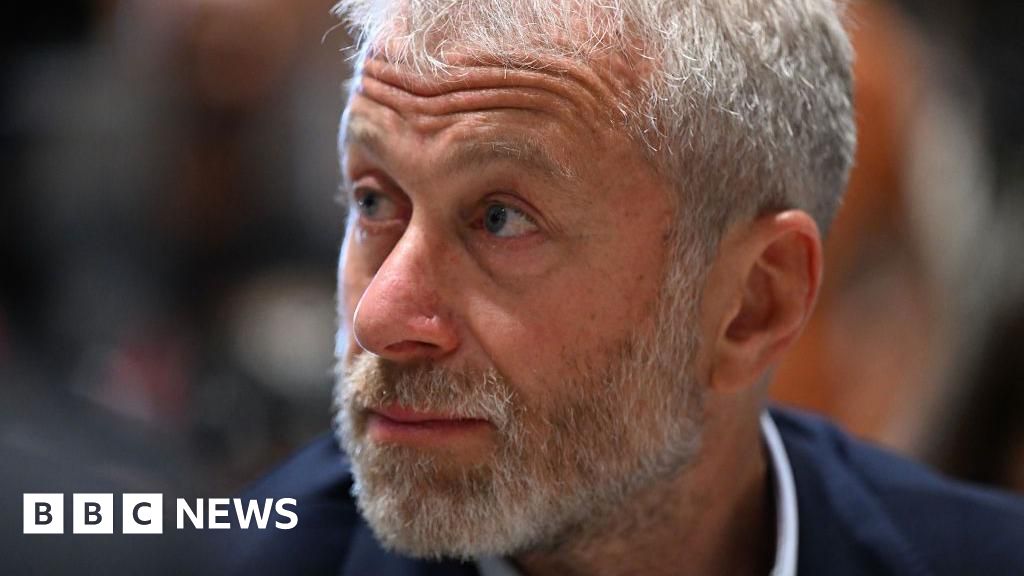
Roman Abramovich, a figure who amassed an immense fortune primarily in the oil and gas sectors following the collapse of the Soviet Union, was sanctioned by the UK government in March 2022. The sanctions were a direct response to Russia’s unprovoked invasion of Ukraine, with the UK government citing Abramovich’s alleged "clear links" to Russian President Vladimir Putin and his status as a "pro-Kremlin oligarch." While Abramovich has consistently denied these allegations and his direct ties to Putin, the sanctions placed him under significant financial restrictions, including asset freezes and travel bans, effectively severing his economic links with the UK and other Western nations. The broader intent behind these measures was to exert economic pressure on the Russian regime by targeting individuals perceived to be part of its inner circle, thereby aiming to curb its capacity to fund the war.
A key point of contention in Labour’s criticism revolves around the proceeds from the sale of Chelsea FC. Mr. Abramovich sold the club for £2.5 billion in May 2022, following intense pressure and his sanctioning. He publicly stated his intention for these funds to be used for "all victims of the war" in Ukraine. However, this phrasing became a sticking point, as it left open the possibility that some funds could be directed to Russian victims, a prospect deemed unacceptable by the UK government, which insists the money must exclusively benefit Ukrainian victims. These proceeds are currently frozen in a British bank account, awaiting a resolution to this disagreement and the establishment of a charitable foundation to manage their distribution.
Justice Minister Richards directly linked Lord Wolfson’s legal work to this critical issue. In his letter addressed to Conservative leader Kemi Badenoch (though the political hierarchy suggests it would more appropriately be addressed to the leader of the opposition, or the Conservative Party chair, depending on context for a shadow cabinet member), Richards asserted: "Mr Abramovich’s position is that the transfer of the funds cannot be completed until the end of the court case in Jersey in which Lord Wolfson is representing him." He then drew a direct line to the alleged conflict: "As shadow attorney general, Lord Wolfson has a crucial role in formulating Conservative Party policy. As a paid representative of Mr Abramovich, he has a financial interest in the question of whether and when Mr Abramovich’s assets are transferred to benefit the people of Ukraine."
Richards pressed for answers on several specific points, including whether Lord Wolfson had any involvement in shaping the Conservative Party’s stance on the transfer of the Chelsea sale funds, and crucially, whether he had declared any potential interest or recused himself from such discussions. Labour’s argument is that while the "cab rank rule" is vital for ensuring access to justice, it cannot override the distinct ethical responsibilities and requirements for avoiding conflicts of interest that apply to politicians, especially those in senior shadow cabinet roles. "Lord Wolfson’s ability to advise you in respect of this matter is clearly compromised by the fact that he is being paid to act on behalf of Mr Abramovich," Richards contended, concluding that if Lord Wolfson wishes to continue representing clients whose interests directly intersect with government and opposition policies, he cannot simultaneously serve in the shadow cabinet.
The Conservative response, articulated by Alex Burghart, the Shadow Chancellor of the Duchy of Lancaster, robustly defended Lord Wolfson. Burghart unequivocally stated that the Jersey case, which Lord Wolfson is involved in, has "nothing to do with the intended donation of the Chelsea sale proceeds." This aims to decouple the two issues, thereby dismantling the premise of Labour’s alleged conflict of interest. Furthermore, Burghart emphasized that Lord Wolfson does not have a "financial interest" in the ultimate outcome of the proceedings, clarifying that he "is not acting under any sort of conditional fee or ‘no win, no fee’ arrangement." This point is crucial as it suggests his remuneration is for services rendered, not contingent on the success or failure of Abramovich’s case, which could otherwise imply a direct stake in prolonging proceedings. "I am confident that at all times Lord Wolfson has acted in accordance with his professional obligations and with integrity," Burghart affirmed, also stressing the Conservative Party’s desire for the Chelsea funds to "reach their intended recipients lawfully and without delay."
The "cab rank rule," while a cornerstone of the Bar, often sparks debate when applied to politically active barristers. It dictates that a barrister must accept any brief in their area of practice, provided they are available and the fee is reasonable, without fear or favour. The principle is designed to ensure that even unpopular or controversial clients can secure legal representation, thereby upholding access to justice. However, critics argue that while the rule protects the barrister’s professional duty, it doesn’t necessarily absolve a politician from the heightened ethical standards and avoidance of perceived conflicts required by public office. The core tension lies between a professional obligation to a client and a political duty to the public, particularly when the client’s interests are directly opposed to a clear national policy or humanitarian objective.

Lord Wolfson himself brings a wealth of legal and political experience to his role. Before his appointment as Shadow Attorney General, he served as a Minister of Justice in Boris Johnson’s government, where he resigned in protest over the Partygate scandal, citing a conflict between his professional standards and the government’s conduct. This history underscores his commitment to legal principles but also highlights the complexity of navigating political and professional duties. His role as Shadow Attorney General is to scrutinise the government’s legal policies, offer alternative proposals, and advise the Leader of the Opposition on legal matters, a position that demands absolute impartiality and freedom from personal financial influence.
The ongoing delay in releasing the Chelsea FC funds remains a sensitive and high-profile issue. The UK government, led by Prime Minister Sir Keir Starmer, has maintained firm pressure on Mr. Abramovich to agree to the terms that would see the £2.5 billion exclusively benefit victims of the war in Ukraine. Earlier this month, Starmer publicly urged the oligarch to "pay up now" or face potential court action, signalling the government’s growing impatience and determination to unlock the funds. This situation adds another layer of scrutiny to Lord Wolfson’s involvement, as any perceived delay or complication arising from Abramovich’s legal challenges is viewed through the prism of the humanitarian crisis in Ukraine.
Ultimately, this dispute is more than just a procedural disagreement; it delves into fundamental questions about political ethics, the boundaries of professional legal practice for public figures, and the perception of influence in a time of international crisis. Labour seeks to paint the Conservatives as potentially compromised by their shadow minister’s associations, while the Conservatives defend the integrity of their member and the foundational principles of the legal profession. As the war in Ukraine continues and the fate of Abramovich’s frozen assets remains uncertain, the political and ethical implications of this legal representation are likely to persist as a point of contention in Westminster.



 Roy Suryo

 Nakalama John
 atisusanti
