Nakalama John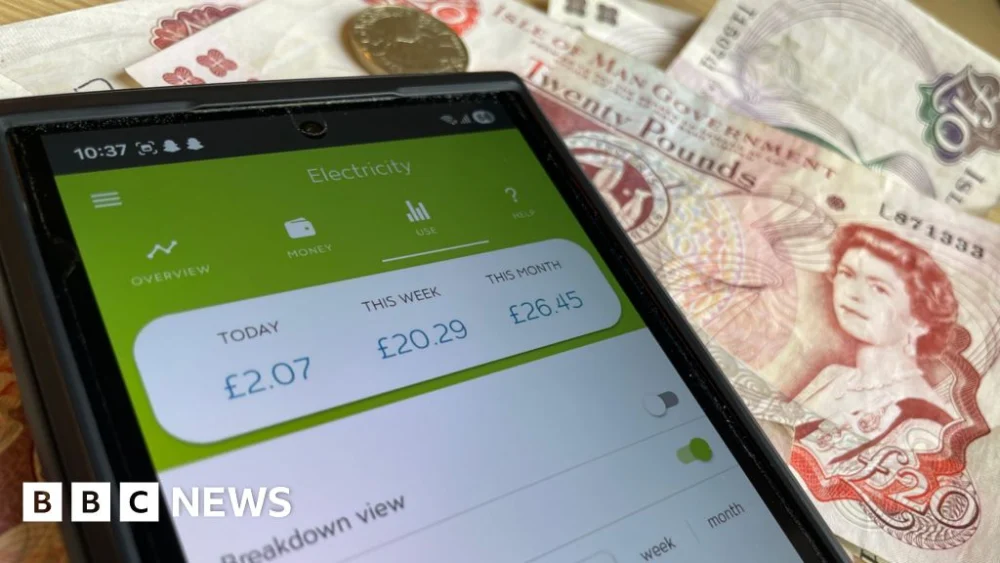
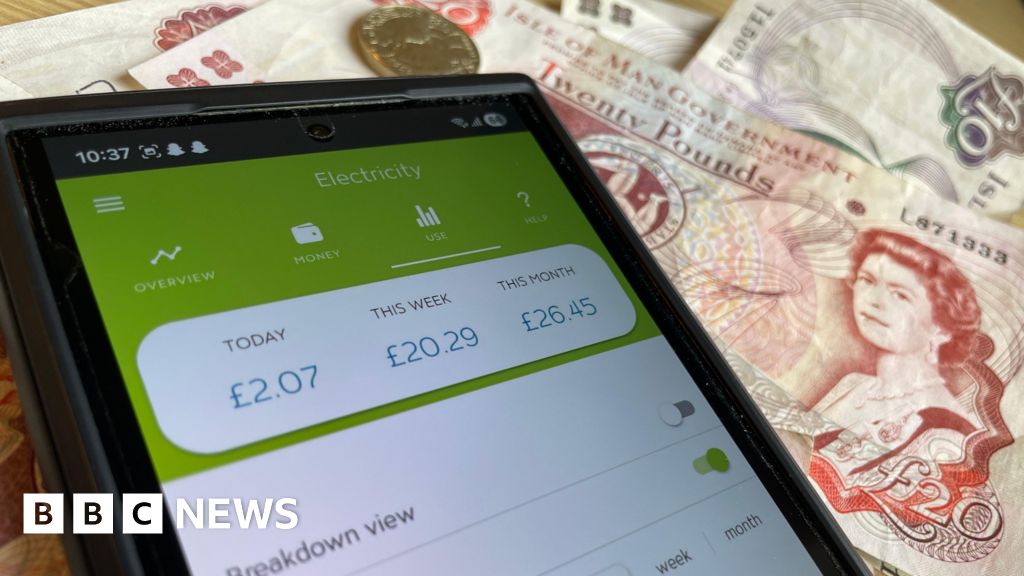
The proposed changes will see a 2.9% rise for water and sewage services, directly aligned with the September inflation rate, a common benchmark for such adjustments. Electricity tariffs, however, will experience a more contained increase of 1.5%. This deliberate decision to limit the electricity price hike below the prevailing inflation rate underscores Manx Utilities’ stated commitment to balancing financial prudence with consumer affordability. For a typical domestic electricity customer consuming approximately 2,700 kilowatt-hours (kWh) per year, this translates to an annual increase of £14, bringing their total yearly expenditure to an estimated £937.
Manx Utilities, an integral part of the Isle of Man’s infrastructure, is responsible for the generation, transmission, and distribution of electricity, as well as the treatment and supply of clean water and the collection and treatment of wastewater. Its operations are critical to the daily lives and economic functioning of the entire island. The organisation operates under a public mandate, striving to deliver essential services reliably and sustainably while navigating complex financial and environmental landscapes.
John Wannenburgh, chairman of Manx Utilities, highlighted the strategic efforts behind the tariff adjustments. He stated, "Through careful financial control and disciplined management, the Board has been able to limit this year’s electricity tariff update from the CPI-linked 2.9% to a more manageable 1.5%." This indicates a conscious decision to absorb a portion of potential cost increases, preventing the full inflationary burden from being passed directly to electricity consumers. The Consumer Price Index (CPI) serves as a key indicator of inflation, measuring the average change over time in the prices paid by urban consumers for a market basket of consumer goods and services. By not fully aligning electricity price increases with CPI, Manx Utilities aims to provide some relief amidst broader cost-of-living concerns.
Wannenburgh further reiterated the organisation’s ongoing commitment to its role as a community utility. "We will continue to review tariffs responsibly, always mindful that we operate as a community utility serving households and businesses across the island," he added. This statement underscores the delicate balance Manx Utilities must maintain: ensuring its financial viability to deliver essential services while being acutely aware of the economic impact on its customer base. The "community utility" ethos implies a responsibility beyond mere profit, focusing instead on long-term societal benefit and accessibility of fundamental services.
The utilities firm openly acknowledged that "energy costs in recent years have placed real pressure on households and businesses." This recognition stems from the profound global energy crisis that gripped international markets, particularly following geopolitical events such as the conflict in Ukraine. During this tumultuous period, wholesale energy prices surged to unprecedented levels, creating significant challenges for utility providers worldwide. Manx Utilities responded to this crisis by absorbing approximately £40 million of exceptional wholesale costs. This substantial sum was not immediately passed through to consumer bills, a move designed to shield Manx residents and businesses from the most severe immediate impacts of the global price shock. Such a decision, while beneficial to consumers in the short term, places considerable financial strain on the utility, requiring strategic management of reserves, potential borrowing, or government support to cover the deficit.
While global market prices have shown some signs of easing from their peak, they regrettably remain above pre-crisis levels. This persistent elevation in costs means that the underlying expenses for energy generation and supply continue to be higher than historical norms. The Isle of Man’s significant reliance on natural gas for electricity generation exacerbates its exposure to these fluctuating wholesale energy prices and broader geopolitical uncertainties. The island’s primary power station, Pulrose, predominantly uses natural gas, meaning that any instability in global gas markets, whether due to supply disruptions, political tensions, or increased demand, directly impacts the cost of supplying power to Manx homes and businesses.
To mitigate this inherent volatility and manage risk, Manx Utilities employs a strategy of forward-buying natural gas. This involves securing future gas supplies at predetermined prices well in advance. For the 2026/27 financial year, the utility has already secured approximately 75% of its natural gas requirements. This proactive approach helps to "smooth fluctuations" in market prices, providing a degree of predictability and stability in procurement costs, which in turn can help stabilise consumer tariffs over time. While forward buying can protect against sudden price spikes, it also carries the risk of missing out on potential future price drops, though the overall strategy aims for long-term price stability and supply security.
The forthcoming tariff increases mean that Manx Utilities’ electricity tariffs will be above the new Default Tariff Cap, which applies to the UK mainland, from April. The Default Tariff Cap, set by the UK’s energy regulator Ofgem, limits the amount suppliers can charge for each unit of gas and electricity on their default tariffs. This comparison highlights a key difference in regulatory environments and market structures. However, Manx Utilities anticipates that despite being above the UK’s cap, its electricity charges will remain "broadly in line with average UK levels." This seemingly contradictory statement can be understood by considering various factors: the UK cap applies to a specific type of tariff, while average UK bills can be influenced by regional variations, standing charges, and the prevalence of fixed-term deals versus variable tariffs. Furthermore, the unique challenges and smaller scale of operating a utility on an island nation, including potentially higher infrastructure maintenance costs and less competitive supply markets, can contribute to different cost structures compared to larger mainland regions.
Ultimately, Manx Utilities stresses that these increases are crucial to "ensure essential services remain reliable and financially sustainable." The reliability of electricity, water, and sewage systems is paramount for public health, safety, and economic stability. This requires continuous investment in maintaining existing infrastructure – from power lines and substations to water treatment plants, reservoirs, and a vast network of pipes and sewers. Without adequate revenue, the utility would struggle to fund necessary upgrades, repairs, and preventative maintenance, potentially leading to service disruptions, reduced quality, and a failure to meet growing demand or environmental standards. Financial sustainability also ensures the utility can cover its operational costs, manage its debt, and invest in future capital projects, including those aimed at enhancing resilience, embracing renewable energy sources, and improving environmental performance.
Beyond the immediate financial implications, these price rises intersect with broader socio-economic considerations on the Isle of Man. For low-income households, even a modest increase can place additional strain on already tight budgets. While the article does not detail specific support mechanisms, it is often the case that governments or utilities explore schemes to assist vulnerable customers in managing their bills. For businesses, higher utility costs translate directly into increased operating expenses, potentially impacting competitiveness, pricing strategies, and ultimately, economic growth. The cost of living on the Isle of Man, already perceived by many as high, will be further influenced by these adjustments, adding another layer to the financial considerations for residents.
Looking ahead, Manx Utilities, like many utilities globally, faces the imperative of transitioning towards a more sustainable and decarbonised future. The reliance on natural gas for electricity generation, while efficient, is a significant contributor to the island’s carbon footprint. Any future investments in renewable energy projects, such as offshore wind or solar, while offering long-term environmental benefits and price stability, often require substantial upfront capital expenditure. These investments, alongside ongoing maintenance and operational costs, will continue to shape future tariff structures. The regulatory framework within which Manx Utilities operates, overseen by the Isle of Man government, plays a crucial role in scrutinising and approving tariff proposals, ensuring a balance between the utility’s financial needs and the wider public interest. The announced price rises, therefore, are not merely isolated adjustments but are deeply embedded within the complex interplay of global energy markets, local economic realities, infrastructure demands, and the ongoing journey towards a sustainable future for the Isle of Man.




 Roy Suryo
 George Anjay
 Ramos Leo