
 Ramos Leo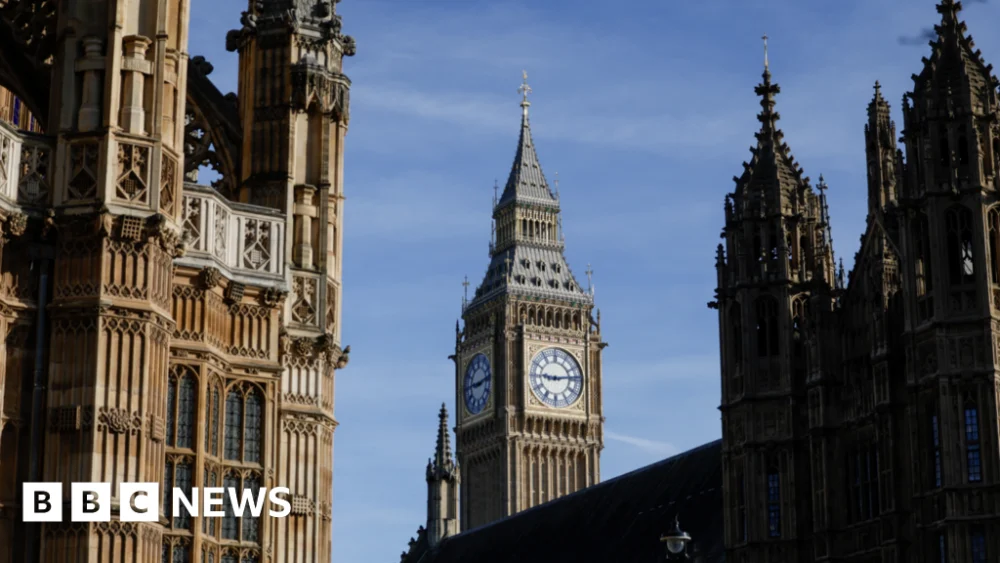
The Palace of Westminster, a UNESCO World Heritage site and the enduring symbol of British democracy, is a sprawling Gothic Revival masterpiece that has suffered from decades of underinvestment and the ravages of time. Its intricate architecture belies a crumbling infrastructure beneath, with critical systems dating back to the Victorian era. Reports from the Restoration and Renewal Programme have painted a stark picture of a building in crisis, plagued by ancient and failing electrical wiring, dilapidated plumbing, pervasive asbestos, and a significant fire risk. Lord Roe, a Labour peer and former commissioner of the London Fire Brigade, articulated grave concerns about fire safety, describing the building as "on the edge of safety" due to its combustible nature, complex layout, and ageing systems. The memory of the 1834 fire, which destroyed much of the original palace, serves as a historical precedent for such fears.
Parliamentarians have been presented with a series of proposals outlining various approaches to the monumental task of restoration. These options, whittled down from an initial 36 by the delivery authority, aim to address the building’s severe structural and infrastructural deficiencies. The project team has unequivocally warned that any further delay in commencing the restoration would inevitably lead to "an expensive managed decline of the Palace," a prospect that would not only compromise the functionality of Parliament but also endanger a priceless piece of national heritage. Currently, the cost of maintaining the decaying structure stands at an alarming £1.5 million per week, or £150 million annually, a figure Dr. Thurley frequently cites to underscore the necessity and financial prudence of a comprehensive overhaul.
Among the two primary options now under consideration, one involves a complete decant of both the House of Commons and the House of Lords from the Palace of Westminster. This ambitious plan would see MPs and peers relocated to temporary premises, allowing for an intensive, uninterrupted restoration effort. Under this "full decant" scenario, the works could be completed in as little as 24 years, commencing from 2032, with an estimated cost reaching up to £15.6 billion. Proponents of this option argue that while disruptive in the short term, it offers the most efficient and ultimately cost-effective path to a fully restored and modernised Parliament, significantly reducing the overall project duration and associated risks.
The second, more contentious option, proposes a "partial decant," where only the House of Lords would temporarily vacate the building, while the House of Commons continues to operate within a modified section of the Palace. This approach, designed to minimise disruption to parliamentary proceedings, comes with a far higher price tag and a vastly extended timeline. Under this scenario, the restoration could stretch over an astonishing 61 years and potentially cost up to £39 billion. Critics argue that such a prolonged project would not only incur immense costs due to inflation, ongoing logistical complexities, and prolonged disruption but also fail to provide the most effective solution to the building’s deep-seated problems.
The sheer scale of these potential costs has ignited a fierce political debate, particularly within Conservative ranks. Kemi Badenoch, a prominent Conservative figure, has publicly lambasted the project, describing Parliament’s restoration as "out of control" and labelling it a "basket case white elephant project." Her sentiments reflect a broader concern among some politicians and the public about the allocation of vast sums of taxpayer money to a single building, especially at a time when other public services face budgetary pressures.
Echoing these concerns, Conservative MP Jesse Norman, a member of the R&R Client Board that endorsed the options despite his objection, articulated his dismay to the BBC. Norman stated, "The idea that that project should be on the scale of HS2, that is to say a twenty to forty billion pound project, is wildly unrealistic, both in terms of what it demands of the public purse and what it requires of political sentiment." He drew a stark comparison, noting that the project’s outer limit could fund "50 new hospitals," highlighting the immense opportunity cost. Norman has called for a pause in the current plans and a refocusing on "scaled-backed" proposals that are "more realistic in scope and in cost," indicating that the Conservatives, as it stands, would vote against the current proposals.
Dr. Simon Thurley, however, remains resolute in his defence of the proposed figures. He clarified that the delivery authority, a body composed of industry experts and senior officials, meticulously considered 36 different options before narrowing them down to the two main proposals. He also pointed out that while the £40 billion figure garners headlines, the cost estimates vary widely, starting from £10 billion for the less disruptive, faster option. Thurley underscored the critical need for comprehensive restoration, stating that the building "isn’t fit for purpose now." He elaborated on the historical neglect, noting, "We’re dealing with a building that’s hundreds of years old that has not really had the attention that it deserves and that it needs for the last 50 years." He reiterated that the ongoing annual expenditure of £150 million merely to keep the building standing makes the proposed figures, when viewed over the project’s lifetime and considering the extent of necessary works, seem less "ridiculous." The project entails far more than cosmetic repairs; it involves a complete overhaul of critical infrastructure, including plumbing, heating, ventilation, electrical systems, and structural reinforcements, all while navigating the immense complexities of working within a Grade I listed building with immense historical significance. Modernising the building also involves making it more accessible for people with disabilities and improving its environmental sustainability, adding further layers of complexity and cost.
The R&R Client Board, a cross-party committee of MPs, peers, and independent experts, formally endorsed the two renovation options last month, with minutes from December’s meetings confirming Jesse Norman’s objection. Despite political disagreements, the consensus among experts is that inaction is not an option. Lord Roe, for instance, speaking from his extensive experience in fire safety, emphasised the "really good safety case" for moving everyone out during the works. He highlighted the "incredible" scale of risk within the building due to its age, design, and active parliamentary use, stressing the potential for catastrophic consequences if a major incident were to occur.
A government spokesperson has affirmed that the work "must be done in a way that maximises value for money for the taxpayer." This statement signals the government’s recognition of the public scrutiny surrounding the project’s costs and duration. The spokesperson confirmed that the government would carefully consider the report’s findings and commit to scheduling a debate in both Houses of Parliament "in due course," allowing all parliamentarians to deliberate on the future of their working environment and one of the nation’s most cherished landmarks. The impending parliamentary votes will be a critical juncture, balancing the preservation of heritage and the functionality of democracy against the pressing demands on the public purse and public opinion regarding large-scale government spending. The decision will not only shape the future of the Palace of Westminster but also set a precedent for how the UK values and invests in its national symbols and essential infrastructure.




 Roy Suryo

 Nakalama John
 atisusanti
