
 Ramos Leo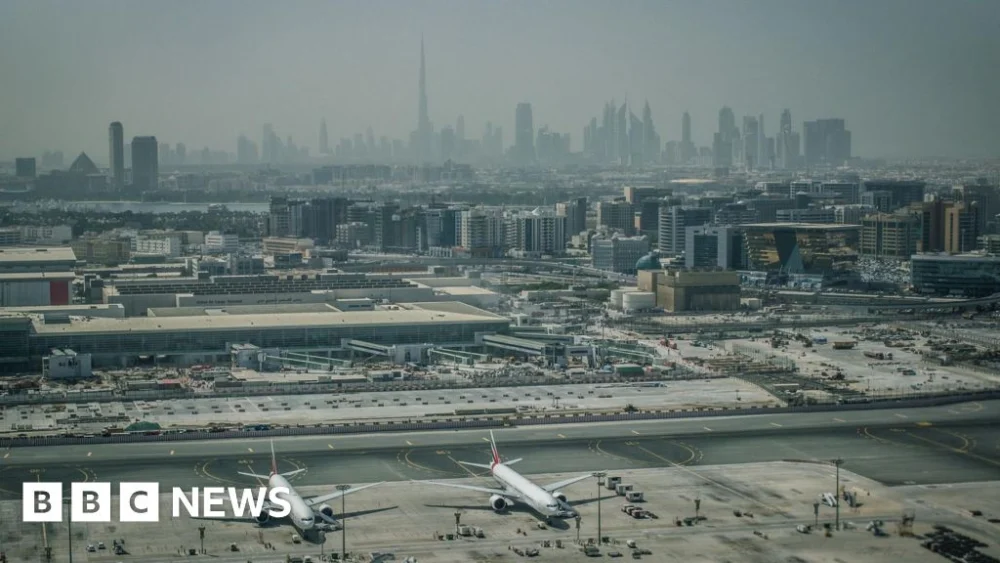
The Foreign, Commonwealth & Development Office (FCDO) has activated a dedicated online booking portal, providing a critical lifeline for British nationals currently in Dubai who are seeking to return to the UK via government-organised charter flights. This move comes amidst a deepening regional crisis, which has seen thousands of Britons left stranded across the Middle East following unprecedented airspace closures and mass flight cancellations stemming from escalating tensions between the US, Israel, and Iran. The portal, accessible through the FCDO’s official channels, marks a significant step in the UK government’s concerted efforts to repatriate its citizens from a volatile region.
The decision to launch these charter services underscores the severity of the situation. The conflict, which recently saw a dangerous uptick in military exchanges and retaliatory actions, has severely disrupted commercial aviation, transforming a bustling global travel hub like Dubai into a bottleneck for international travellers. Airspace over parts of Iran, Iraq, and other neighbouring countries became restricted or entirely closed, forcing airlines to reroute or cancel thousands of flights. This created a logistical nightmare for passengers, many of whom were either on holiday, business trips, or transiting through major airports like Dubai International (DXB).
The FCDO has made it clear that a stringent prioritisation system will be in place for allocating seats on these government-chartered flights. The most vulnerable individuals – including those with urgent medical conditions, young children, the elderly, or those running out of essential medication or accommodation – will be given precedence. This measure aims to ensure that those in direst need receive assistance first, reflecting the government’s commitment to the welfare of its citizens abroad. The FCDO has also confirmed that it will proactively contact those British nationals who have previously registered their presence in the United Arab Emirates (UAE) and other affected countries, using the data collected to identify and assist those requiring urgent repatriation.
This initiative follows earlier successful operations from other parts of the region. The government commenced its charter flight programme earlier in the week, with initial departures from Muscat, Oman. To date, two such flights have safely returned to the UK, bringing home hundreds of Britons. Building on this experience, a flight specifically departing from Dubai is now scheduled for early next week, offering a much-anticipated route home for many of those caught in the Gulf metropolis.
The UAE, despite its generally stable environment, continues to experience ripple effects from the wider regional conflict, highlighting the unpredictable nature of the current security landscape. A stark reminder of this came on Saturday, when the Dubai Media Office reported a tragic incident in the Al Barsha area. A Dubai resident was killed after shrapnel, believed to be from an "aerial interception," fell onto a vehicle. While authorities swiftly moved to reassure the public and investigate the incident, it served to underscore the lingering dangers and anxieties permeating the region, even in areas previously considered relatively safe. Such incidents exacerbate the urgency felt by many British nationals to depart.
The scale of the expatriate and transient British population in the Middle East is substantial. More than 160,000 British nationals have registered their presence in the region with the FCDO, a testament to the strong ties between the UK and the Gulf. This vast number presents an immense challenge for any repatriation effort, requiring intricate logistical planning, diplomatic coordination, and consistent communication. The FCDO’s registration system plays a crucial role in enabling them to gauge the number of people requiring assistance and to communicate vital updates and travel advice directly.
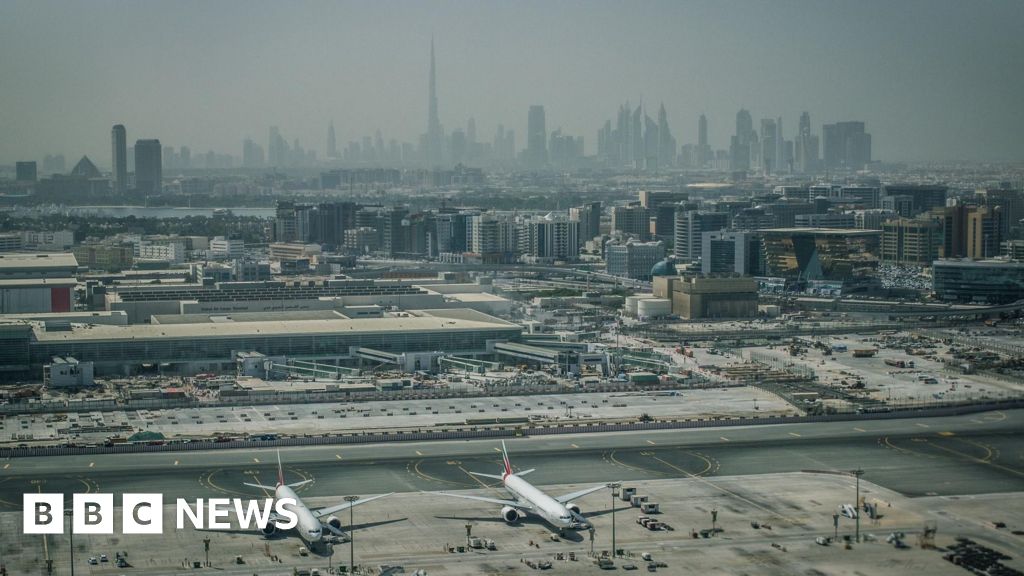
Commercial airlines have also been grappling with the crisis, attempting to normalise operations where possible. Emirates airline, one of the world’s largest carriers and a crucial link between Dubai and the UK, reported significant efforts to clear the backlog of passengers. By Thursday, Emirates had managed to carry approximately 30,000 passengers out of Dubai and had operated 35 flights to the UK since resuming services. However, even with these extensive efforts, the sheer volume of stranded travellers meant that many remained in limbo, struggling to secure seats on commercial flights, which were often overbooked or subject to further cancellations.
On Friday morning, the BBC’s Nick Beake, reporting from Dubai Airport, described a scene of relative calm and quiet, contrasting with the initial chaos. He observed a steady stream of passengers, but noted a lack of visible gatherings of desperate expatriates attempting to leave. This suggested that while the airport was operational, the lingering uncertainty and the difficulty of securing immediate flights had perhaps led many to seek alternative solutions or await official government guidance. Many Britons were likely waiting for the new FCDO portal to open, or for their commercial flights to be reconfirmed.
The human element of this crisis is profound, with many Britons sharing their harrowing experiences. Victoria Cameron, from Larkhall in Scotland, recounted her terrifying ordeal to the BBC. On February 28th, she vividly described being in a queue to enter her Dubai hotel when the initial Iranian missiles struck the city. "Our phones were going off, saying ’emergency, emergency’. We were crying, we were shaking," she recounted, highlighting the intense fear and disorientation that gripped residents and tourists alike. The sudden shift from a vibrant holiday destination to an area under threat was deeply traumatic for her and countless others. Thankfully, Cameron was among the fortunate few who managed to secure a commercial flight, arriving back in Edinburgh on Wednesday, albeit after an experience that will undoubtedly leave a lasting impact.
Her story is echoed by many others, though not all have been as lucky to return. Families with young children have faced particular distress, with concerns about their safety, access to essential supplies, and the emotional toll of being stuck in an uncertain environment. Elderly individuals, some with pre-existing health conditions, have found themselves in precarious situations, worried about access to medical care and the physical strain of extended delays and disrupted travel. Business travellers, whose schedules are often tightly managed, have incurred significant financial losses and faced professional setbacks due to their inability to return home. The FCDO’s charter flights are specifically designed to alleviate these varied hardships, offering a structured and secure pathway home.
Beyond the immediate repatriation efforts, the FCDO continues to provide comprehensive consular assistance to British nationals in the region. This includes offering updated travel advice, facilitating emergency travel documents for those whose passports have expired or been lost, and liaising with local authorities on behalf of British citizens. The government’s overall strategy is not just about bringing people home, but also about supporting those who choose to remain, or who are unable to leave immediately, ensuring they have access to necessary information and assistance.
The long-term implications of this regional instability on tourism and business in Dubai and the wider UAE remain a significant concern. The perception of safety, particularly for expatriates and international visitors, has been undeniably impacted. While Dubai is known for its resilience and ability to bounce back, the recent events serve as a stark reminder of the geopolitical risks that can quickly overshadow even the most secure environments. The UK government’s commitment to its citizens in these challenging times is not just a humanitarian effort, but also a statement of its responsibility to protect its nationals globally, navigating the complexities of international crises to ensure their safe passage home.




 Roy Suryo

 Nakalama John
 atisusanti
