
 Ramos Leo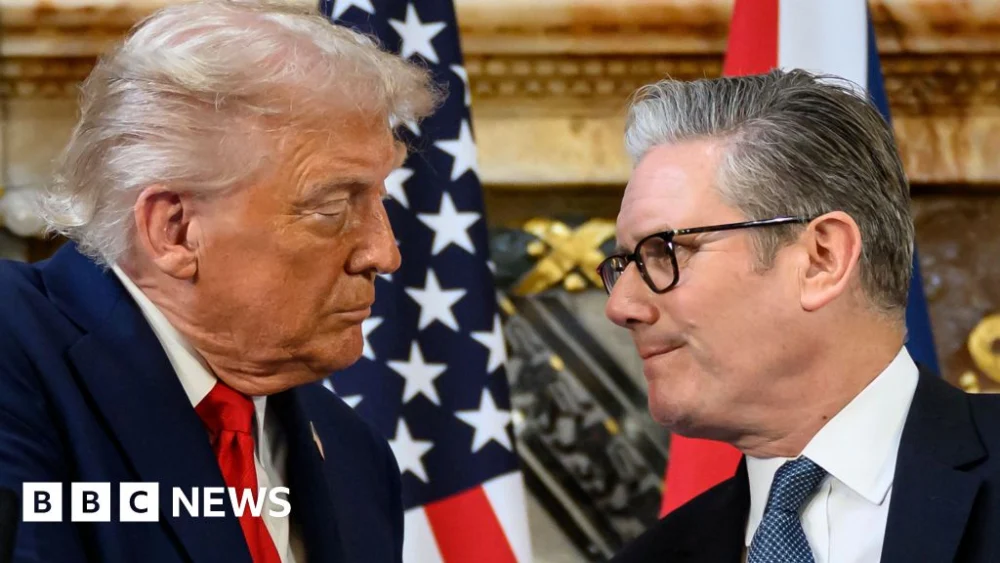
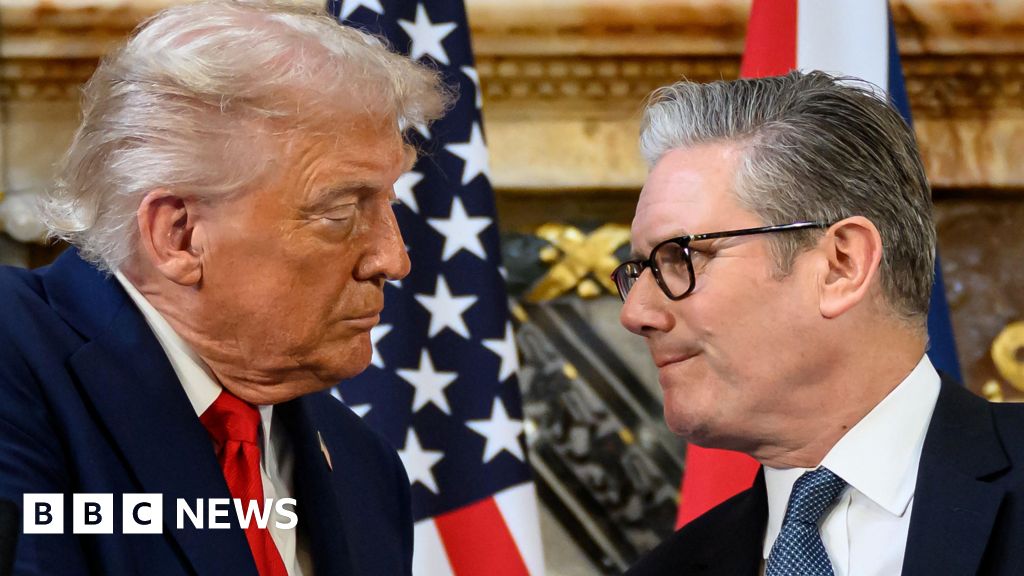
This initial exchange followed a weekend of heightened tensions, primarily fueled by President Trump’s public denouncements of the UK’s stance. On Saturday, the US president took to social media, initially hinting at the UK’s consideration of deploying aircraft carriers to the Middle East, only to then dismiss the prospect with a cutting remark: "we don’t need people that join Wars after we’ve already won!" He further exacerbated the diplomatic rift by pejoratively labelling Britain "our once great ally," a phrase that resonated deeply across the Atlantic, casting a shadow over the enduring "special relationship."
The core of Trump’s frustration stemmed from Prime Minister Sir Keir Starmer’s steadfast refusal to acquiesce to a US request to permit the use of British bases for initial offensive strikes against Iranian missile sites. While Sir Keir had previously affirmed that the UK would not participate in offensive actions, he had agreed to allow the US to utilize British facilities for what were defined as defensive retaliatory strikes aimed at Iranian missile sites, a crucial distinction that evidently failed to appease the American leader. Trump’s displeasure had been building for weeks, culminating in an earlier, even sharper rebuke. Earlier this week, he publicly declared he was "not happy with the UK," adding a particularly stinging historical comparison: Sir Keir, he asserted, was "no Winston Churchill," implicitly drawing a contrast with the wartime leader who forged a legendary alliance with the US.
In response to the mounting pressure and the president’s pointed criticisms, Foreign Secretary Yvette Cooper appeared on "Sunday with Laura Kuenssberg," where she staunchly defended Sir Keir Starmer’s approach. Cooper asserted that the Prime Minister was "right to stand up for Britain’s interests" and underscored that the UK government was under no obligation to align with the president "on every issue." She articulated a clear demarcation of sovereign decision-making: "It’s for the US president to decide what he thinks is in the US national interest, and that’s for him to do. But it is our job as the UK government to decide what’s in the UK national interest, and that doesn’t mean simply agreeing with other countries or outsourcing our foreign policy to other countries." This statement firmly underlined the UK’s commitment to an independent foreign policy, even amidst significant allied pressure.
Following the much-anticipated phone call between Trump and Sir Keir, a more detailed, though still guarded, statement emerged from Downing Street. It elaborated on the leaders’ initial discussion concerning "the latest situation in the Middle East and the military cooperation between the UK and US through the use of RAF bases in support of the collective self-defence of partners in the region." The statement also revealed that "The prime minister also shared his heartfelt condolences with President Trump and the American people following the deaths of six US soldiers," an important gesture of solidarity in a time of military loss. The brief communique concluded with an indication of future dialogue: "They looked forward to speaking again soon," suggesting a desire to mend fences despite the recent acrimony.
Despite the barrage of criticism from President Trump, Downing Street has remained resolute in its defence of the decision not to join the initial offensive strikes, consistently reiterating its firm position against participating in a wider offensive campaign in the Middle East. Foreign Secretary Cooper further clarified the UK’s operational parameters, stating that Britain would "provide defensive support when we see Iranian strikes on partner countries where British citizens are residing." This policy has already seen tangible action, with RAF jets deployed to the region, actively engaging in efforts to intercept and shoot down missiles and drones launched by Iran targeting UK allies. The strategic importance of such defensive measures was highlighted by the fact that the UK aircraft carrier HMS Prince of Wales has been placed on advanced readiness, though the foreign secretary declined to confirm whether it would be dispatched to the volatile region.
The UK’s cautious approach to military intervention has, however, sparked debate among political figures. On Friday, former Labour Prime Minister Sir Tony Blair, whose decision to lead the UK into the Iraq war in 2003 remains a contentious part of his legacy, argued at a private event that the UK should have unequivocally backed the US strikes from the outset. Blair contended that the US was an "indispensable cornerstone" of the UK’s security apparatus and that allies had a responsibility to "show up" regardless of who occupied the Oval Office. This view stands in stark contrast to the current Labour government’s more restrained stance.
Responding to Blair’s comments, Yvette Cooper, who served as a junior minister in Sir Tony’s government during the Iraq invasion, emphasized the importance of historical perspective. She stated that it was "important to learn lessons from what went wrong" in that conflict. Cooper stressed that this included "recognising that all our decisions need to be about what is right for British citizens." She articulated a nuanced middle ground, arguing against the extremes of "some people in politics who think we should just unquestioningly agree with the US whatever" and others who "think we should never agree with the US" or "go along with joint action," advocating instead for a pragmatic approach guided by national interest.
Adding another layer of complexity to the diplomatic landscape, the Iranian ambassador in London, Seyed Ali Mousavi, issued a stark warning on the same programme, urging the UK to be "very careful" about becoming further embroiled in the conflict. Mousavi explicitly stated that "if facilities or properties or bases are used against the Iranian nation," they would be considered "legitimate targets," a direct and serious threat that underscores the potential for rapid escalation.
Domestically, the government’s handling of the crisis has faced criticism from opposition parties. Robert Jenrick of Reform UK, while agreeing that the UK should not participate in offensive bombing raids over Iran, nevertheless argued that the government should have permitted the US to use UK bases "from the outset." He told Kuenssberg that the "vacillation of the PM has damaged relations with the US significantly," suggesting a perceived lack of decisive leadership.
Further intensifying the critique, Conservative Shadow Home Secretary Chris Philp accused the government of "a dereliction of duty" for failing to preposition warships to Cyprus or the Middle East in anticipation of the conflict. Speaking to Sky News, Philp lamented, "The problem is, those ships as we speak, are nowhere near Cyprus. They’re nowhere near the Gulf. They’re tied up at the docks in Portsmouth because Keir Starmer and the Labour government showed no foresight whatsoever, even though they knew three or four weeks ago that America planned this action against Iran, they did not move those ships into the region." This criticism highlights concerns over the UK’s military readiness and strategic planning.
The fragility of the situation was underscored by a recent incident at RAF Akrotiri, where a small drone struck the runway, causing what the Ministry of Defence described as "minimal damage." In response, HMS Dragon, a Type 45 destroyer equipped with advanced air defence capabilities, is being dispatched to the Mediterranean to enhance security around the RAF base in Akrotiri, Cyprus. However, its departure from Portsmouth is not expected until next week, raising questions about the timeliness of the UK’s naval response.
When pressed on whether the UK had been slow to react to the unfolding conflict, Foreign Secretary Cooper countered these claims by detailing the government’s proactive measures. She stated that the UK had "pre-deployed" fighter jets to the region, along with 400 additional personnel. Furthermore, she confirmed that since the conflict’s inception, the government had deployed additional Typhoon fighter jets and Wildcat helicopters, asserting that the UK’s response had been robust and timely.
Amidst the geopolitical turbulence, Liberal Democrat leader Sir Ed Davey called for a scheduled visit by King Charles to the US to be postponed. Sir Ed argued that "At a time when Trump has launched an illegal war that is devastating the Middle East and pushing up energy bills for British families, it’s clear this visit should not go ahead." He further contended that "A state visit from our King would be seen as yet another huge diplomatic coup for President Trump, so it should not be given to someone who repeatedly insults and damages our country," reflecting deep unease within segments of the political establishment about legitimizing the US president’s actions and rhetoric through a royal endorsement.



 Roy Suryo

 Nakalama John
 atisusanti
