Roy Suryo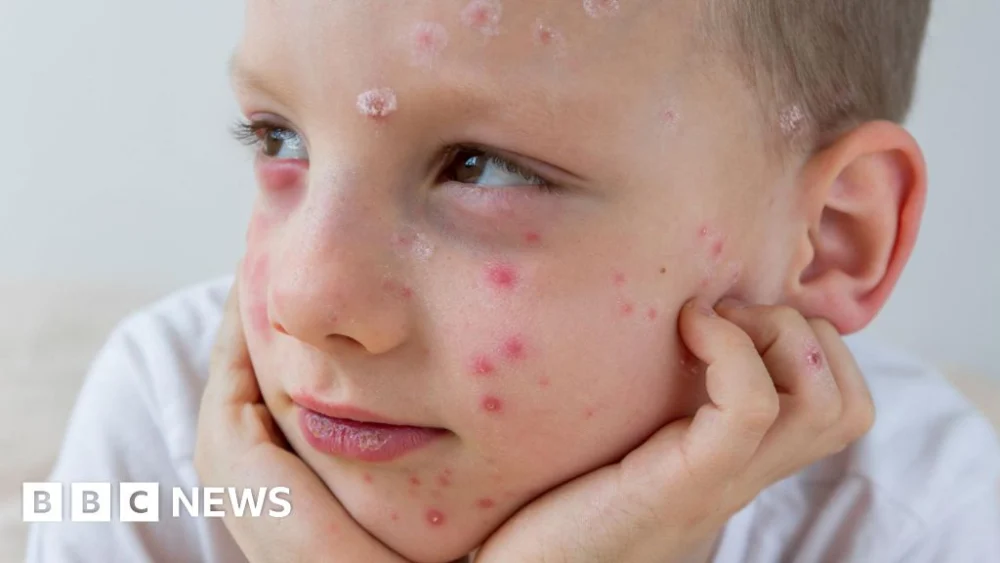
Young children in the UK are now being offered protection against chickenpox on the NHS for the first time, marking a significant advancement in childhood immunisation programmes. This highly contagious viral illness, caused by the varicella zoster virus (VZV), is being integrated into the standard childhood vaccination schedule from January 2026, accompanied by a crucial catch-up programme for older children who may have missed out. The new vaccine will be administered as part of the MMRV jab, a combined vaccine protecting against measles, mumps, rubella, and varicella.
Chickenpox is a common childhood illness, with approximately half of all children contracting it by their fourth birthday. However, individuals of any age can be susceptible if they have not previously had the infection or been vaccinated. The virus spreads with remarkable ease, primarily through direct person-to-person contact or via airborne droplets expelled through coughing and sneezing. This ease of transmission makes it a persistent challenge in community settings like schools and nurseries.
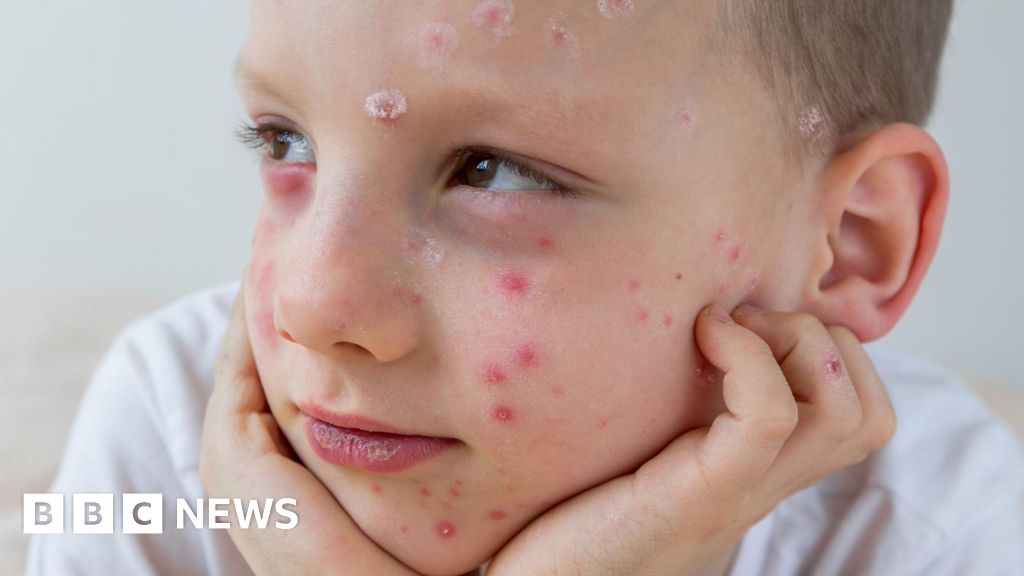
The initial symptoms of chickenpox can be subtle, often presenting as a mild fever, general malaise, and aching muscles, making it easy to mistake for a common cold. Within a couple of days, these symptoms are typically followed by the characteristic itchy, spotty rash. This rash can manifest as red or pink dots appearing anywhere on the body, including the sensitive mucous membranes of the mouth. The severity of the rash varies greatly among individuals; some may only develop a handful of spots, while others can be extensively covered from head to toe.
The progression of the chickenpox rash is a distinctive feature of the illness. The initial red spots evolve into fluid-filled blisters, which eventually crust over to form scabs. These scabs typically fall off naturally within a week to ten days, leaving behind clear skin. A key aspect of chickenpox is its contagiousness. Individuals are considered infectious and capable of spreading the virus from two days prior to the onset of the first spots until all the spots have crusted over, a process that usually takes about five days from the initial appearance of the rash. This extended period of contagiousness highlights the importance of preventative measures, such as vaccination.
The introduction of the varicella vaccine into the routine NHS childhood immunisation programme is a proactive step to significantly reduce the incidence of chickenpox and, consequently, the number of severe cases and associated complications. The new MMRV vaccine, which combines protection against measles, mumps, rubella, and varicella, will replace the existing MMR vaccine for eligible age groups. Children born on or after 1 January 2026 will automatically receive two doses of the MMRV vaccine: the first at 12 months of age and the second at 18 months. This dual-dose regimen is designed to provide robust and long-lasting immunity.
Recognising that a significant cohort of children will not have received this protection, a comprehensive catch-up programme is being implemented. This programme will offer one or two doses of the MMRV vaccine to older children, with the number of doses depending on their specific date of birth. GP surgeries will proactively contact families to schedule these essential appointments, ensuring that as many eligible children as possible benefit from this enhanced protection. The aim is to create a broad shield against chickenpox across the younger population.
The MMRV vaccine, like other live vaccines, contains a weakened form of the varicella virus. While highly effective in stimulating an immune response, this live nature means it is not recommended for individuals with compromised immune systems. This includes those suffering from illnesses such as HIV or undergoing treatments like chemotherapy, which can suppress the body’s ability to fight off infections. For these vulnerable groups, alternative strategies for chickenpox prevention and management may be considered, in consultation with healthcare professionals.
The decision to introduce the varicella vaccine into the UK’s routine immunisation schedule aligns the country with many other developed nations, including Germany, Canada, Australia, and the United States, which have long offered routine varicella vaccination. This global trend reflects a growing understanding of the benefits of widespread vaccination in controlling infectious diseases. Previously, concerns had been raised about the potential for vaccinating against chickenpox to lead to an increase in shingles, a related condition. However, robust, long-term studies, particularly from the United States, have largely dispelled these fears, providing reassurance regarding the safety and efficacy of the varicella vaccine.
The Joint Committee on Vaccination and Immunisation (JCVI), the independent body advising the government on vaccination policy, recommended the universal adoption of the MMRV vaccine in November 2023. Following this recommendation, the government formally confirmed plans to introduce the MMRV vaccine in August 2025. This confirmation came at a time when new data highlighted a concerning trend: none of the main childhood vaccines in England had achieved the target uptake rate of 95% in the 2024/25 period. According to the UK Health Security Agency, only 91.9% of five-year-olds had received one dose of the MMR vaccine, a figure that remained unchanged from the previous year and represented the lowest level since 2010/11. The introduction of the MMRV vaccine is therefore seen as a crucial step to improve overall vaccination coverage and protect children against preventable diseases.
While most cases of chickenpox in children are typically mild, they can still cause significant discomfort and necessitate absence from school or nursery for several days. However, it is important to acknowledge that chickenpox can lead to serious complications in some individuals. These rare but severe complications can include encephalitis (swelling of the brain), pneumonitis (inflammation of the lungs), and stroke. In the most extreme and unfortunate circumstances, these complications can lead to hospitalisation and, very rarely, death.
The severity of chickenpox can also be amplified in specific demographics. Very young infants and adults who contract the virus often experience more severe illness. Pregnant women are particularly at risk, as chickenpox during pregnancy can lead to serious complications for both the mother and the developing baby. While it is possible to contract chickenpox more than once, this is considered highly unusual.
Understanding the link between chickenpox and shingles is also important. Shingles, an extremely painful condition, cannot be contracted directly from another person. Instead, it develops in individuals who have previously had chickenpox. This occurs because the varicella zoster virus remains dormant in the body’s nerve cells after the initial chickenpox infection. When the immune system is weakened due to factors such as stress, certain underlying health conditions, or treatments like chemotherapy, the virus can reactivate, leading to the onset of shingles.
The typical presentation of shingles is a painful skin rash, usually affecting one side of the body, commonly appearing on the chest or abdomen. Prompt treatment with antiviral medications can help to accelerate recovery and mitigate the risk of longer-lasting complications. Crucially, a shingles vaccine is available on the NHS for specific age groups, including those aged 50 and over, and for individuals with weakened immune systems. Vaccination is recommended even for those who have previously had shingles, as it is possible to contract the condition more than once. If shingles does occur after vaccination, the symptoms are generally expected to be much milder. The availability of both the chickenpox and shingles vaccines underscores a comprehensive approach to managing these related viral illnesses within the UK’s public health framework.


 Nakalama John
 atisusanti
 Ramos Leo