
 Nana Banana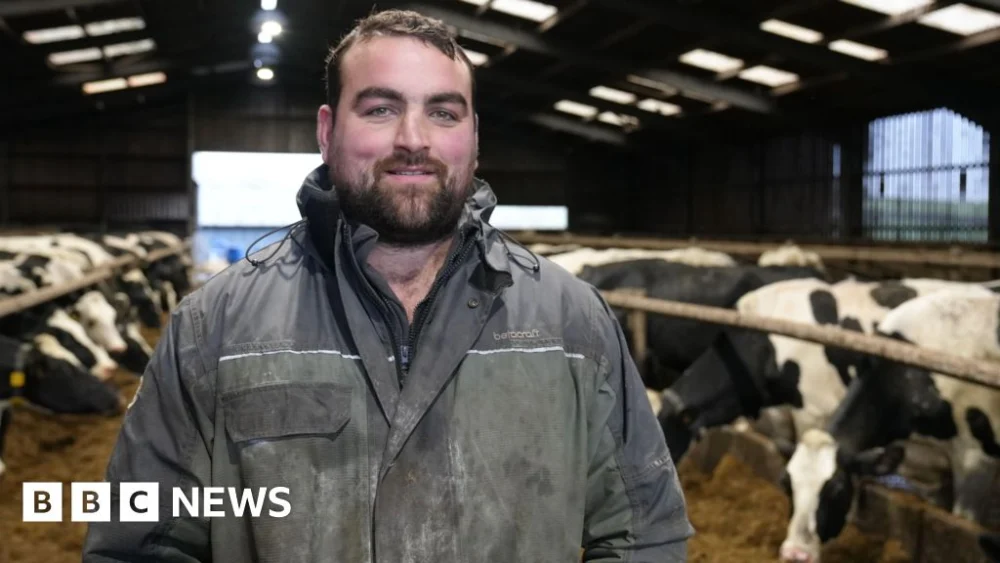
The SFS represents a significant departure from the previous system, which primarily allocated subsidies based on the amount of land owned. Instead, it introduces a framework where financial support is directly linked to farmers delivering "public goods" – environmental benefits such as biodiversity enhancement, improved water quality, and climate change mitigation. Central to the scheme is a mandatory requirement for farms to actively manage at least 10% of their land as habitat. While this provision is welcomed by environmental groups, it has proven to be a major sticking point for many farmers, particularly those in intensive sectors like dairy, who argue they lack the unproductive land necessary to meet this quota without significantly reducing their operational capacity and livestock numbers.
Rural affairs secretary Huw Irranca-Davies hailed the launch as "a landmark moment for Wales," acknowledging the extensive negotiations and revisions that have shaped the scheme. He emphasized the collaborative effort involved in its design, stating it was "co-designed together" and is a "dynamic scheme that we can adjust as time goes forward." While conceding that "it doesn’t mean everyone’s 100% happy – they’re not – we were never going achieve that," he expressed pride in the outcome and encouraged all farmers to carefully consider signing up as the new year begins. The initial success, he noted, would be gauged by the number of farmers who choose to participate.
The journey to the SFS’s implementation has been, as Abi Reader, NFU Cymru’s deputy president, described, "an absolutely enormous rollercoaster." For decades, Welsh farms benefited from over £300m annually in EU subsidies. The challenge of creating a replacement framework that balances agricultural productivity with environmental goals has been immense. Earlier iterations of the Welsh government’s proposals were met with fierce opposition, branded as "unworkable" by farming unions. This discontent culminated in a series of widespread protests across Wales in 2024, including the largest ever demonstration seen outside the Senedd, the Welsh Parliament. Farmers, concerned about the potential economic impact, job losses, and threats to food security, voiced their anxieties over the stringent environmental requirements and perceived lack of flexibility.
Following these protests and intense negotiations, the final details of the scheme were unveiled this past summer, incorporating some crucial adjustments. Farms joining the SFS must commit to 12 "universal actions" to qualify for entry-level payments. These actions encompass a range of sustainable practices, including maintaining hedgerows, reducing pesticide use, enhancing soil health, and attending online courses focused on sustainable farming. Beyond these foundational requirements, additional funding streams will be available for farms undertaking more ambitious environmental projects or engaging in collaborative initiatives with neighbouring landowners.
Despite the revisions, NFU Cymru’s Abi Reader maintains that while the framework is "largely pleased" with the current framework, "there are still a number of tweaks [to be made] and we still need a budget that will reflect inflation and really deliver for farms and for the countryside." She stressed that New Year 2026 is "really significant" for Welsh agriculture, highlighting that this is a "once in a generation change to farm support payments and there’s a lot of expectation riding on this." The decision facing farmers is stark: apply for the new SFS by 15 May or continue with the old subsidies, albeit facing a significant 40% cut to their payments this year. The uptake rate, Reader believes, will "absolutely" be the first true indicator of the scheme’s success.
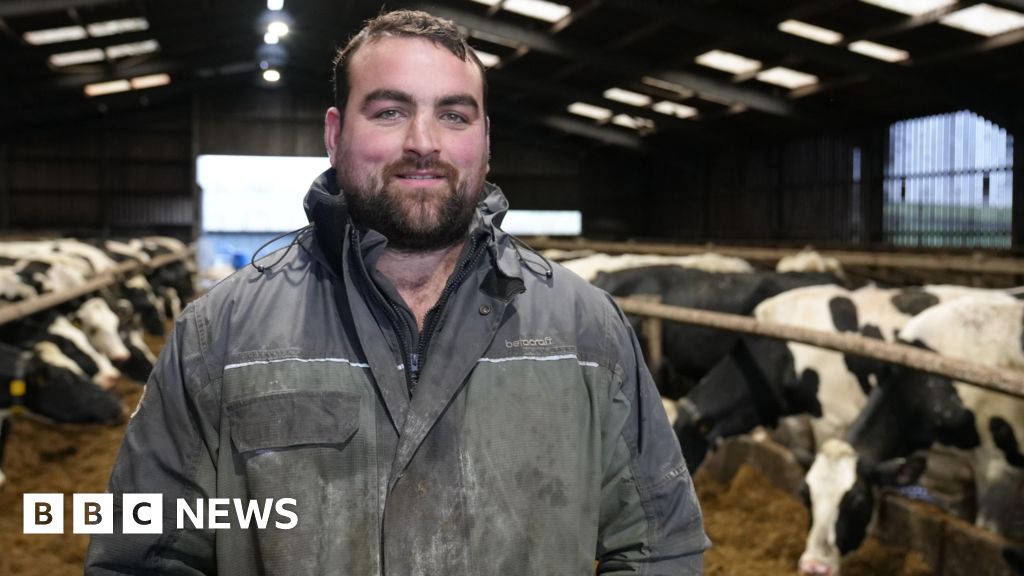
Dairy farmer Gethin Hughes from Ffostrasol in Ceredigion exemplifies the difficult choices farmers face. He has decided to join the SFS, acknowledging that the payments offer "a little bit of security" against the backdrop of volatile milk prices. While he admits the scheme is now "much better" than its initial proposals, it continues to divide opinion within the farming community. Hughes considers himself fortunate to have some land that readily qualifies as habitat, making the 10% requirement achievable for his operation. However, he voices concern for his peers: "a lot of my friends who are dairy farmers are saying they can’t join as they don’t have the habitat land. They’ll have to cut back on cows and there’s no point them carrying on farming then." This sentiment underscores the core tension of the SFS – the balance between environmental protection and the economic viability of different farming models.
Environmental organizations, while broadly supportive of the SFS’s greener agenda, express their own set of concerns. Arfon Williams of RSPB Cymru argues that habitat land, even when designated for environmental purposes, can still be grazed and managed productively, contributing to farm resilience against extreme weather events. His worry, however, is that the entry-level payment might only suffice for farmers to "maintain" existing habitats and wildlife, rather than actively restoring and expanding them. Williams emphasizes that the "big environmental benefits" will hinge on the development and accessibility of the scheme’s optional and collaborative layers, which offer additional funding for more ambitious ecological work. He urges for these upper layers to be developed "as quickly as possible" to align with the Welsh government’s ambitious target of halting biodiversity loss by 2030, reiterating that "farmers have a huge role in restoring nature but only if they’ve got the tools and the support to do the job."
The SFS’s launch has also triggered a renewed wave of political commentary and pledges from opposition parties. Samuel Kurtz MS, Welsh Conservative shadow cabinet secretary for rural affairs, lambasted the SFS as "not fit for purpose," asserting that it "failed to prioritise food production and food security." He predicted job losses, reduced livestock numbers, and declining farm business incomes across Wales. The Welsh Conservatives have pledged an urgent review and replacement of the SFS with a "food security first" scheme should they come to power.

Plaid Cymru’s spokesperson on rural affairs, Llyr Gruffydd MS, while acknowledging the scheme is "much better" than earlier versions, stressed that "there’s still much work to do." He advocated for a more gradual transition period to allow the sector more time to adapt and called for a Plaid Cymru government to provide "multi-year funding certainty for agriculture rather than the current twelve-month commitment from Labour." Reform UK Wales echoed similar sentiments, stating the SFS "doesn’t have the confidence of farmers and is set to deal a hammer blow to the rural economy," insisting it needs to be changed to prioritize "food production and farmers at its centre, not green targets."
Welsh Liberal Democrats leader Jane Dodds MS offered a nuanced view, stating the SFS provides "some much needed short-term guarantees" for farmers facing intense pressure, but ultimately, it was "not the scheme that the Welsh Lib Dems would have designed," emphasizing the need for "long-term solutions." Anthony Slaughter, leader of the Green Party in Wales, highlighted the financial aspect, arguing that the government "needs to do much more to properly support farmers to make the changes our country and planet needs." He stressed that "the scale of the transition means the scale of funding has to match – I’m not sure we’ve seen that commitment yet."
As the SFS officially goes live, all eyes will be on the uptake rates and the real-world impact on Welsh farms. This transition represents a monumental shift for an industry that covers over 90% of Wales’ land area, moving from a system of production-based subsidies to one driven by environmental outcomes. The success or failure of the SFS will not only shape the future of Welsh agriculture but also have profound implications for the nation’s rural economy, biodiversity, and climate change targets for decades to come. The path ahead promises continued debate and adaptation as Wales navigates its post-Brexit agricultural identity.



 Roy Suryo

 Nakalama John
 atisusanti
 Ramos Leo
