
 Ramos Leo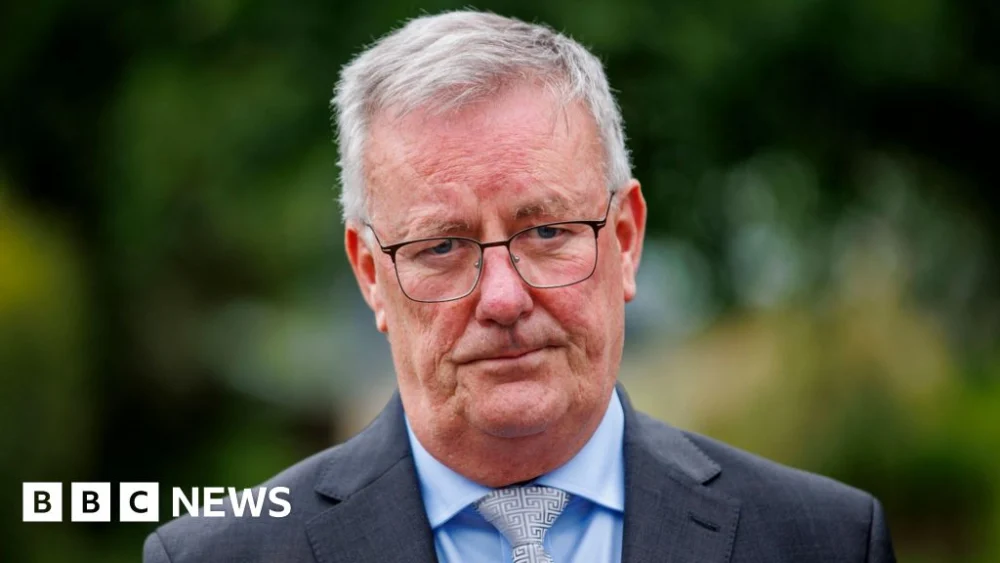
Mike Nesbitt has announced his decision to step down as leader of the Ulster Unionist Party (UUP), bringing to an end his second tenure at the helm of Northern Ireland’s once-dominant unionist force. The unexpected news was conveyed to MLAs and party officers on Friday morning, triggering immediate speculation about the future direction of the party and its next leader. Nesbitt, who only resumed the leadership in August 2024, cited personal considerations regarding the length of the upcoming political mandate as his primary reason for departing.
In a comprehensive statement issued following his announcement, Nesbitt articulated his rationale. He explained that the next five-year mandate for the Northern Ireland Assembly stretches to May 2032, a month in which he anticipates celebrating his 75th birthday. "That’s a commitment to full-time politics I just do not feel I can make," he stated, highlighting the demanding nature of leadership and parliamentary duties. He further elaborated on his ethical stance, declaring, "I would not be comfortably seeking a vote knowing that privately I was intending to retire during the mandate." This honesty suggests a desire to avoid misleading party members or the electorate about his long-term commitment.
Nesbitt’s return to the leadership was, by his own admission, a short-term strategic move. "I retook the leadership to do a short-term job of getting the party match fit for the forthcoming election campaign," he asserted. "That job is now done so the time is right to select the politician who will lead us into the May 2027 polls promoting our brand of confident, responsible unionism." This framing positions his departure not as a failure, but as the successful completion of a specific objective, leaving the party in a state ready for the next electoral battle. Despite his resignation from the leadership, Nesbitt has expressed a clear desire to remain as Health Minister until the next assembly elections in May 2027. However, the decision regarding his ministerial portfolio will ultimately rest with his successor, adding another layer of complexity to the impending leadership transition. The Health Ministry in Northern Ireland is widely considered one of the most challenging executive roles, frequently grappling with budgetary pressures, long waiting lists, and the aftermath of the COVID-19 pandemic, making Nesbitt’s continued presence a matter of significant interest.
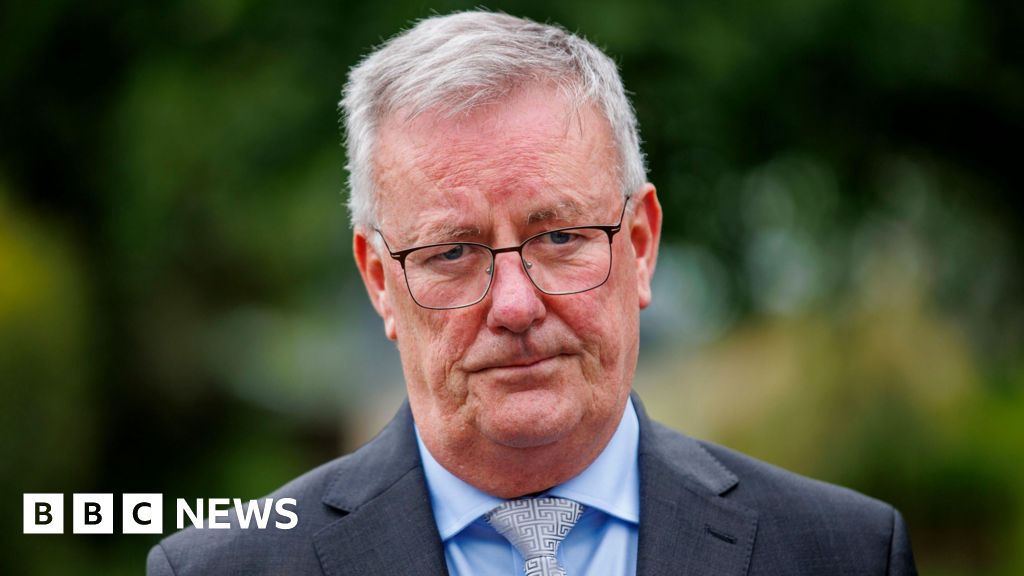
Nesbitt’s leadership journey within the UUP has been marked by a unique duality. His recent stint, commencing in August 2024, was his second time leading the party. He first won the leadership contest in 2012, triumphing over John McCallister, and served until 2017 when he stepped down following disappointing results in the Assembly elections that year. His return earlier this year, after a period of relative quiet, underscored the UUP’s ongoing struggles to find stable and enduring leadership. Indeed, since Nesbitt’s initial departure in 2017, the party has seen a succession of leaders, often handed the role unopposed, yet without a noticeable upturn in the party’s fortunes. Robin Swann, Steve Aiken, and Doug Beattie all held the top position, each striving to revive the UUP from its diminishing electoral footprint. The fact that Nesbitt, a former leader, was called upon again highlights the perceived lack of fresh, compelling candidates or the internal instability preventing a clear succession path. This pattern of leadership churn has contributed to the image of a party struggling to redefine itself and regain its historical prominence as the dominant voice of unionism.
A party spokesperson, responding to Nesbitt’s announcement, described his decision to step down as a "pivotal moment." This statement acknowledges the significance of the leadership change and signals the party’s intention to manage the transition carefully. "Party officers will shortly outline the leadership selection process, ensuring an inclusive, engaging and seamless transition," the spokesperson added, aiming to project an image of stability and democratic process, even amidst internal flux.
Analysis: What chance does a new leader have?
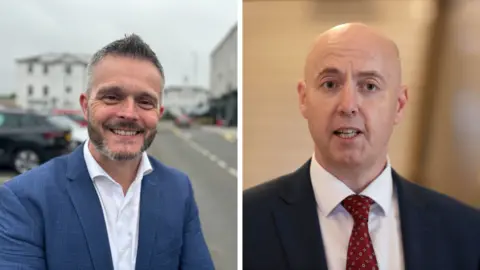
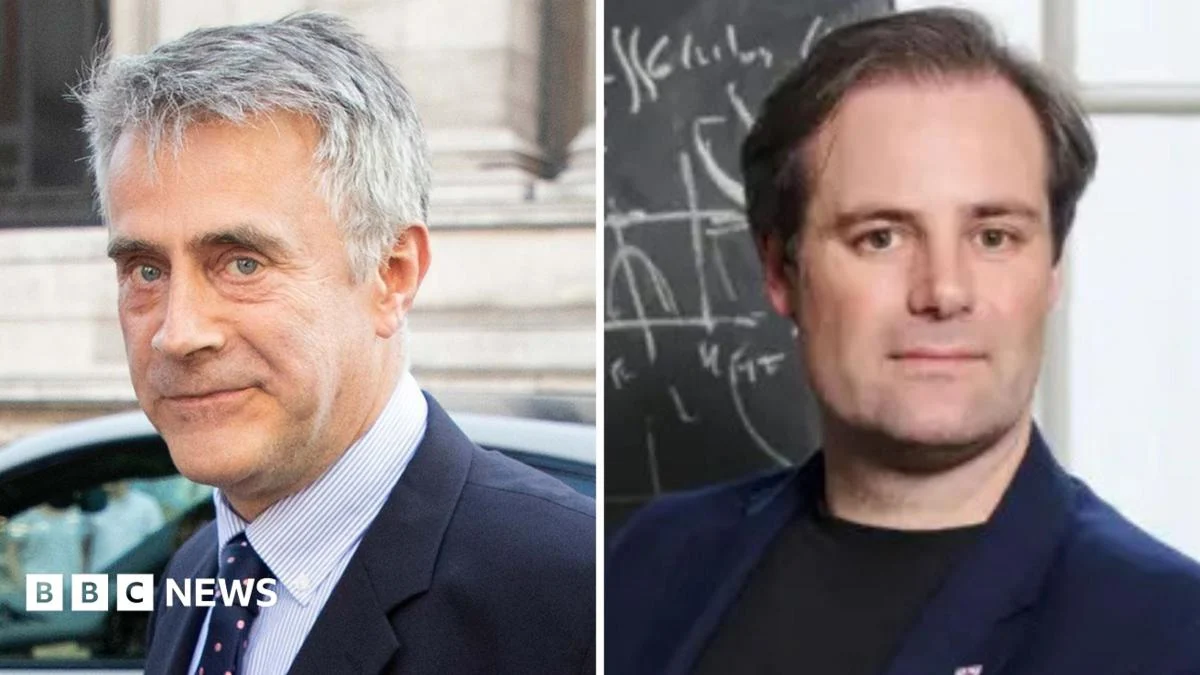
The impending leadership contest now casts a spotlight on two figures who represent distinct ideological currents within the Ulster Unionist Party. Speculation has rapidly converged on Deputy Leader Robbie Butler and the recently co-opted MLA Jon Burrows, whose profiles could hardly be more contrasting.
Robbie Butler is widely seen as representing the liberal wing of the UUP. He was initially brought into politics by Nesbitt during his first tenure as leader, suggesting a shared political outlook and an alignment with Nesbitt’s progressive approach to unionism. Butler is known for his measured public statements and a studious avoidance of controversy, preferring a more collaborative and consensus-driven style of politics. His leadership would likely signify a continuation of the UUP’s efforts to project a modern, inclusive form of unionism, potentially appealing to a broader, more moderate electorate.
In stark contrast, Jon Burrows appears to relish controversy. A former police officer, Burrows has only been an MLA since July, having been co-opted to replace Colin Crawford in North Antrim. Despite his short time in the Assembly, he has quickly made a name for himself with frequent and often provocative statements on a wide range of issues. His approach suggests a more confrontational style, one that might seek to challenge the political status quo more directly. Should both men decide to contest the leadership, it would mark the first genuine leadership contest within the UUP since Nesbitt triumphed over John McCallister in 2012, ending a decade of unopposed appointments and potentially invigorating internal debate.
The next leader, regardless of who emerges victorious, faces an uphill battle. The UUP, once the most powerful political entity in Northern Ireland, has witnessed a steady decline in its electoral fortunes since the signing of the Good Friday Agreement. Its traditional support base has eroded, largely to the benefit of the Democratic Unionist Party (DUP), and it has struggled to articulate a distinctive vision that resonates with contemporary unionist voters. Nesbitt himself likely found the task of reviving the party while simultaneously managing the immensely demanding health department to be an almost impossible balancing act. His earlier statement that he would decide his future by January at the latest, "in fairness to whoever might be coming in," underscored the need for clarity and a fresh impetus for the party.
Nesbitt’s plea to be allowed to remain in the Health Minister role until May 2027 highlights the pragmatic challenges of leadership. It also hints at the significant workload and the desire for a smooth transition, allowing his successor to focus initially on party rebuilding rather than immediate executive responsibilities. Like his predecessor Doug Beattie, Nesbitt was considered a progressive leader, advocating for a more open and inclusive form of unionism. Robbie Butler’s potential leadership would largely represent a continuation of this trend, albeit perhaps with a more cautious public persona. Jon Burrows, on the other hand, represents a more unknown quantity, and his leadership could signal a significant shift in the party’s rhetorical and strategic approach.
The Ulster Unionist Party’s journey has, in recent years, often felt like a never-ending game of "Follow The Leader," with a revolving door of individuals attempting to halt the party’s decline. The ever-lengthening list of ex-UUP leaders, many of whom struggled to make a lasting impact or mount a successful comeback for the party, casts a long shadow over any new leadership bid. The fundamental question remains: can any single leader truly reverse the UUP’s trajectory in the current complex and fragmented political landscape of Northern Ireland? The challenges are multifaceted, encompassing not only electoral decline but also the broader identity crisis within unionism, the impact of Brexit, and the ongoing search for a stable power-sharing government.
For the new leader, the task will involve not only internal party cohesion but also a compelling strategy to differentiate the UUP from its unionist rivals and appeal to a changing electorate. This will require a clear articulation of "confident, responsible unionism" that addresses the anxieties and aspirations of the unionist community, while also demonstrating a willingness to engage constructively within the wider political framework of Northern Ireland. The road ahead is fraught with difficulties, and the UUP’s "pivotal moment" will test whether it can find a leader capable of forging a path towards renewed relevance and influence.



 Roy Suryo

 Nakalama John
 atisusanti
