
 Ramos Leo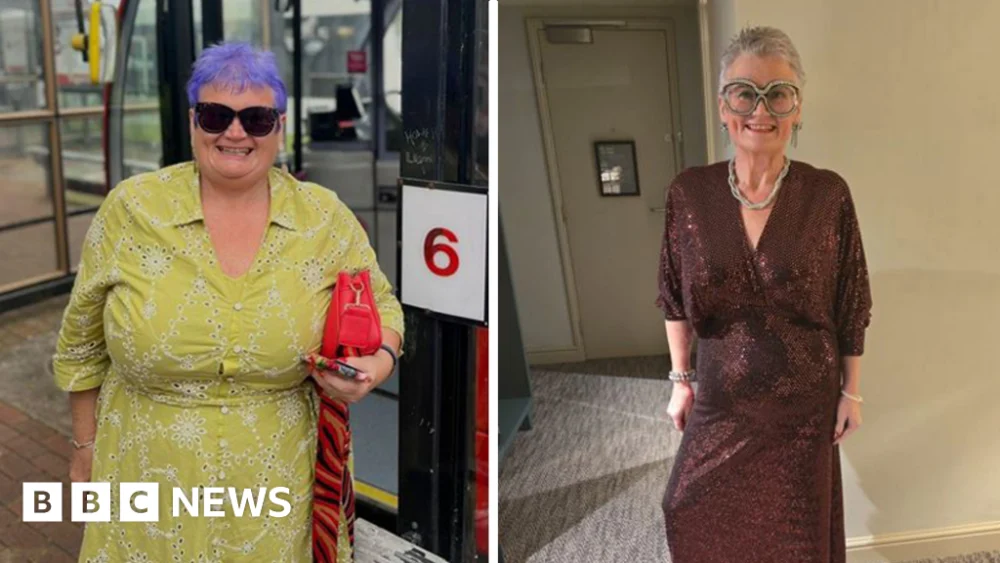
An MP who achieved significant weight loss using the prescribed slimming drug Mounjaro has issued a stark warning, cautioning that individuals who resort to unregulated weight-loss jabs are "playing Russian roulette with their lives." Carolyn Harris, the Labour MP for Neath and Swansea East, underwent a remarkable transformation, dropping nearly 10 stone and shrinking from a size 24 to a size 10 after commencing treatment with the drug in October 2024. Her decision was driven by escalating mobility issues that began to impede her daily life and parliamentary duties, compounded by the relentless and often cruel criticism she faced online regarding her appearance. However, while celebrating her personal success, Ms. Harris vehemently urged others considering similar paths to ensure they seek medical advice and adhere strictly to regulated channels, using these powerful medications solely for legitimate health reasons under professional supervision.
Ms. Harris’s personal journey to weight loss was a multifaceted one, rooted in both physical necessity and emotional toll. At 65 years old, she found herself increasingly struggling with basic mobility, a challenge that became particularly acute during a walk around a lake in Swansea to commemorate International Menopause Day. "I started having difficulty and had to stop a quarter of the way in," she recounted, highlighting the severity of her physical limitations. This incident served as a critical turning point, underscoring the urgent need for intervention to regain her quality of life and effectively serve her constituents. The physical demands of being an MP, which often involve extensive walking and public engagement across a diverse constituency, were becoming increasingly difficult to manage.
Beyond the physical discomfort, Ms. Harris revealed the profound impact of constant online abuse. She described how her appearance and sartorial choices had become a disproportionate focus, often overshadowing her political work and policy positions. "How I looked or what I was wearing had become more important than my politics," she told BBC Radio Wales Breakfast, reflecting on the frustrating and hurtful nature of these comments. Despite her public persona as a "bolshie" advocate for causes and constituents, she admitted to a deep sensitivity beneath the surface, making the barrage of personal attacks particularly difficult to bear. The relentless scrutiny and the feeling that her worth was being judged solely on her physical size created immense pressure, adding a significant emotional burden to her already challenging role.
It was this combination of declining physical health and the psychological strain of public criticism that prompted Ms. Harris to seek private treatment. Crucially, she emphasised her commitment to a responsible approach. "I made sure I went to a GP to get mine, rather than just go online, because I really wanted to make sure all the correct medical checks were done," she explained. This decision highlights the critical distinction between medically supervised treatment and the perilous route of unregulated acquisition. Her doctor conducted a thorough assessment, ensuring that Mounjaro was an appropriate and safe option given her specific health profile and medical history. The subsequent transformation, from a size 24 to a size 10, not only alleviated her mobility issues but also significantly boosted her confidence, allowing her to engage more actively and comfortably in her professional and personal life.
The drug Mounjaro, like its well-known counterpart Ozempic, belongs to a class of medications called GLP-1 receptor agonists. These drugs work by mimicking a natural hormone in the body that regulates blood sugar and appetite. They slow down gastric emptying, leading to a feeling of fullness, and also act on the brain to reduce hunger and cravings, thereby facilitating weight loss. Initially developed for individuals with type 2 diabetes, their effectiveness in promoting significant weight loss has led to a surge in demand, with many seeking them for purely aesthetic reasons or without proper medical oversight. While these drugs can be life-changing for those with clinical obesity or type 2 diabetes, when prescribed and monitored correctly, their increasing popularity has unfortunately fueled a dangerous black market.
The National Pharmacy Association (NPA) has voiced serious concerns regarding this escalating demand, particularly the alarming trend of individuals procuring these medications from unregulated sources such as beauty salons or through informal channels on social media. This practice bypasses crucial medical consultations, diagnostic checks, and ongoing supervision that are essential for safe and effective treatment. When obtained from unlicensed providers, there is no guarantee of the drug’s authenticity, potency, or sterility. Patients risk injecting counterfeit substances, incorrect dosages, or contaminated products, leading to a myriad of potentially severe health consequences, including allergic reactions, infections, gastrointestinal complications, pancreatitis, gallbladder issues, and even life-threatening conditions. Without a doctor’s assessment, underlying health conditions that could contraindicate the use of these drugs might go undiagnosed, putting individuals at grave risk.
The regulatory landscape governing the prescription and dispensing of weight-loss injections presents a concerning disparity across the UK, creating loopholes that facilitate the growth of this unsafe black market. In England, any healthcare professional prescribing weight-loss injections is legally required to be registered with the Care Quality Commission (CQC). The CQC is an independent regulator of health and social care in England, responsible for ensuring that providers meet fundamental standards of quality and safety. This registration provides a layer of accountability and oversight, aiming to protect patients from substandard care.
However, the situation in Wales is significantly different and, according to critics, less robust. In Wales, only doctors are mandated to register with Healthcare Inspectorate Wales (HIW), the Welsh equivalent of the CQC. This crucial distinction means that other healthcare professionals, such as nurses, pharmacists (in certain contexts), or individuals operating within the beauty industry who might offer these injections, are not legally required to meet the same stringent registration and inspection standards. This regulatory gap creates a significant vulnerability, allowing unqualified or unregistered practitioners to dispense powerful prescription-only medications without the necessary oversight or accountability, thereby opening the door to unsafe practices.
This inadequate regulation has been widely described by experts as a clear pathway to an unsafe black market for these products. The ease with which individuals can obtain these drugs from unregulated sources, driven by societal pressures for rapid weight loss and fueled by social media trends, amplifies the danger. Carolyn Harris’s analogy of "playing Russian roulette" powerfully encapsulates the extreme risks involved. "The people who elect to get these drugs from unlicensed places are playing Russian roulette with their lives," she stated emphatically. "They don’t know what they might be injecting into themselves and that terrifies me." The lack of knowledge about the drug’s origin, composition, and potential interactions with other medications transforms a medical treatment into a high-stakes gamble with one’s health and well-being.

The Welsh government has acknowledged the seriousness of the situation, reiterating that weight-loss treatments like Mounjaro are strictly prescription-only medicines. They stress that these drugs "should only be obtained and used in accordance with a prescription from a registered and appropriately trained healthcare professional." This official stance underscores the fundamental principle that powerful medications require professional medical assessment and ongoing monitoring. The government further advised, "No one should purchase prescription only medicines other than from reputable suppliers such as registered pharmacies. Medicines obtained from unregulated sources pose a major risk to people’s safety." Registered pharmacies are subject to strict regulations regarding drug sourcing, storage, dispensing, and patient counseling, offering a crucial safeguard against counterfeit or substandard products. Furthermore, the Welsh government affirmed that "Healthcare professionals prescribing weight-loss treatments must act in accordance with the standards set by the respective professional regulatory bodies," implying that even where registration is not mandatory, ethical and professional guidelines still apply, though enforcement might be challenging in unregulated settings.
Beyond the immediate health risks, the proliferation of unregulated weight-loss jabs also raises broader public health concerns. The intense societal pressure to achieve a certain body image, often amplified by social media, can push vulnerable individuals towards quick-fix solutions without fully understanding the consequences. A holistic approach to weight management, involving dietary changes, increased physical activity, and psychological support, remains the safest and most sustainable path for most. While GLP-1 agonists offer a legitimate and effective tool for some under strict medical guidance, they are not a substitute for comprehensive lifestyle changes or a magic bullet.
The experience of Carolyn Harris serves as a powerful testament to both the potential benefits of these drugs when used correctly and the dire warnings against their misuse. Her journey highlights the urgent need for a unified and robust regulatory framework across all parts of the UK to protect citizens from the dangers of the black market. Public awareness campaigns are also vital to educate individuals about the risks associated with unregulated sources and to encourage them to seek advice from qualified medical professionals. Ultimately, the message is clear: when it comes to potent weight-loss medications, responsible medical oversight is not merely a recommendation but an absolute necessity to avoid putting one’s life at an unnecessary and potentially fatal risk.




 Roy Suryo

 Nakalama John
 atisusanti
