Nakalama John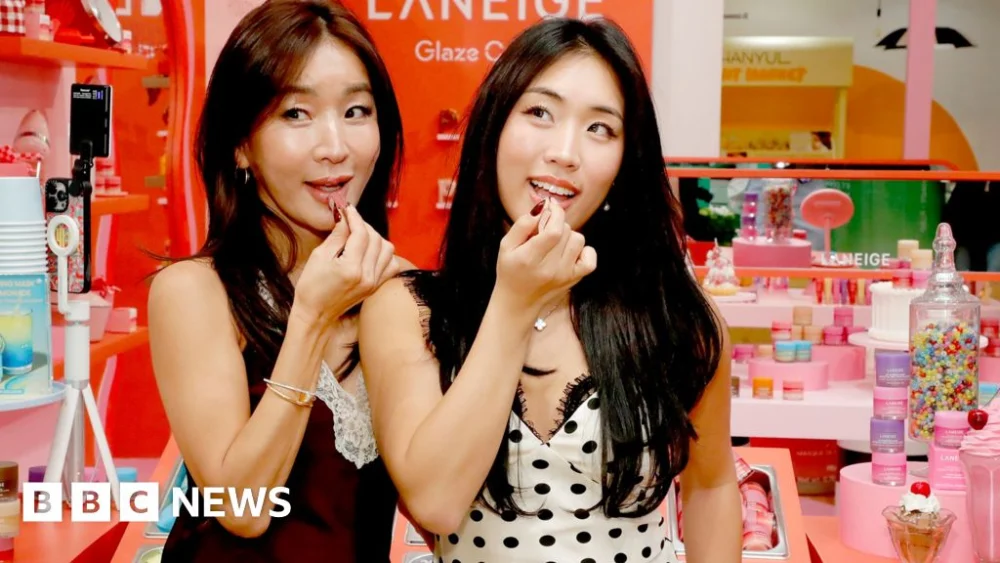
The journey of K-beauty, from intriguing social media trends to a formidable global economic force, is a testament to its innovation, adaptability, and the pervasive power of digital platforms. Who would have thought that serums infused with snail mucin – the sticky substance gastropods secrete – would become a staple in skincare routines around the world? Yet, it has happened, with the gooey elasticity of such products becoming a key selling point, amplified by viral TikTok challenges. This phenomenon propelled a small South Korean label, CosRX, onto the global stage, eventually leading to its acquisition by Amorepacific, the country’s largest cosmetics conglomerate. The rapid, almost unbelievable spread of that sticky serum perfectly encapsulates K-beauty’s meteoric rise.
Fuelled by viral content and ever-evolving trends, K-beauty has cemented itself as one of South Korea’s most significant industries, deeply rooted in a society where the pursuit of flawless appearance has always been a powerful cultural driver. The domestic market alone was valued at approximately $13 billion (£9.6 billion) in 2024, with sales of some niche products expected to grow at impressive double-digit rates. This robust internal demand laid the groundwork for its international explosion. The rest of the world, already captivated by the "Hallyu" or Korean Wave that made K-Pop and K-dramas global phenomena, readily embraced Korean beauty products.
Today, K-beauty brands occupy dedicated sections at major global retailers, from high-end Sephora stores to mass-market giants like Boots and Walmart, signaling their mainstream acceptance. This global reach has translated into significant economic leverage. In the first half of the current year, 2025, South Korea remarkably surpassed France, the historical birthplace of modern cosmetics, to become the world’s second-largest exporter of beauty products, trailing only the United States. This rapid ascension underscores not just consumer demand, but also the efficiency and scale of the South Korean beauty manufacturing ecosystem.
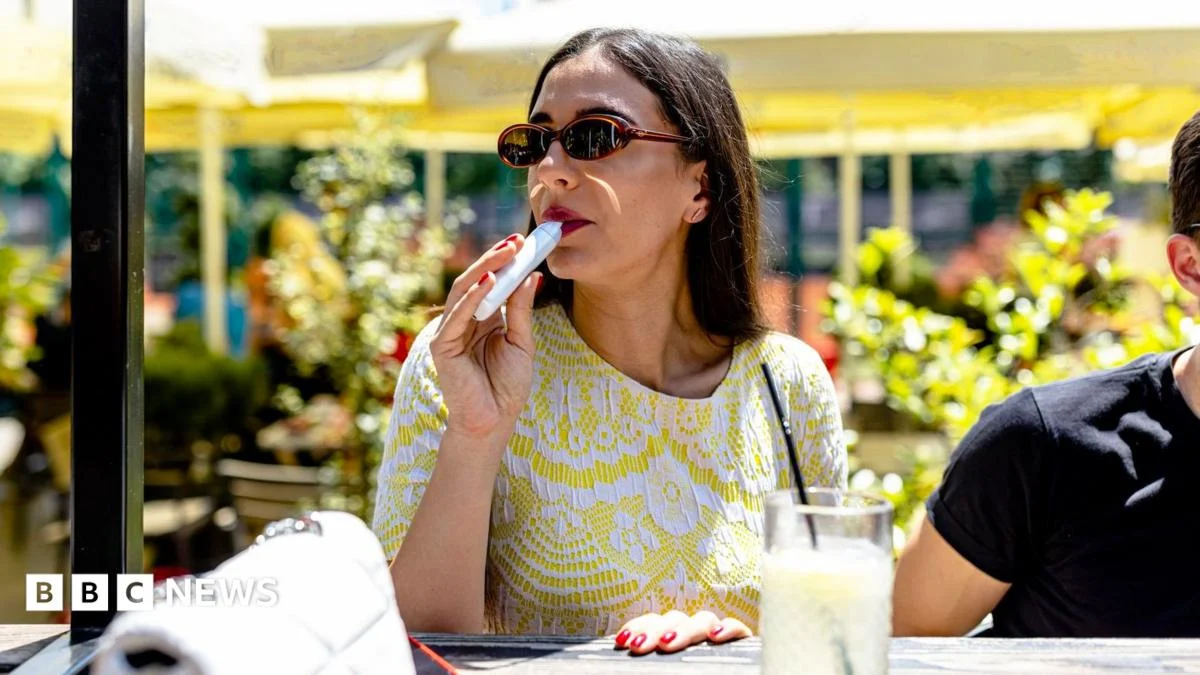
The digital realm has been indispensable to this success. Search for "Korean skincare" on TikTok, Instagram, or YouTube, and you are immediately immersed in a deluge of content. Millions of followers tune in to influencers who meticulously dissect ingredient lists, film engaging unboxing videos, and share "Get Ready With Me" routines built around iconic K-beauty concepts such as "glass skin," multi-step routines, innovative sheet masks, and, of course, the now-famous snail mucin. Liah Yoo, a prominent beauty influencer and founder of the US-based K-beauty brand Krave Beauty, observes, "There are so many products and brands, and a lot of times you’re exposed to millions of them as a consumer – it’s highly saturated and competitive." This intense competition, paradoxically, fuels the very innovation that makes K-beauty so compelling.
At the very heart of K-beauty’s unprecedented rise is a relentless, almost frenetic, pace of innovation. New formulations, often incorporating groundbreaking ingredients or novel application methods, appear every few months, meticulously designed to spark the next online obsession. Concepts once considered niche or even unappealing to Western consumers – such as the elaborate ten-step skincare routines, overnight "water sleeping masks" that deeply hydrate while you sleep, or headline-grabbing ingredients like salmon sperm (known for its purported regenerative properties) – are now common staples in bathroom cabinets from London to Los Angeles. This rapid development cycle, combined with aggressive digital marketing, ensures a constant stream of novelties that keep consumers engaged and eager to try the latest trend.
Social media has been utterly central to this paradigm shift. Products conceived and launched in Seoul can instantly appear on TikTok and Instagram feeds in the US, UK, India, and Australia, generating buzz and demand at lightning speed. This direct-to-consumer digital pipeline bypasses traditional marketing channels, allowing smaller, agile brands to gain traction alongside established giants. The connection to the broader Hallyu wave is also undeniable; K-pop idols and K-drama stars, revered globally for their impeccable style and flawless complexions, implicitly and explicitly endorse these products, further fueling their desirability.
However, this constant exposure to idealized beauty standards and an endless array of products also raises growing concerns about its social impact, particularly on young, impressionable individuals. Experts warn that the relentless stream of skincare content online can foster anxiety, encourage excessive spending, and promote unrealistic beauty ideals. Kim Seung-hwan, Amorepacific’s chief executive, acknowledges this delicate balance: "We are fully aware that excessive use or misuse of social media can lead to backlash." He emphasizes that brands must navigate online platforms with careful consideration for their social responsibilities.
The competitive landscape is only intensifying as global beauty behemoths recognize K-beauty’s potential. L’Oréal, for instance, acquired a South Korean conglomerate that included the popular brand Dr.G in late 2024, signaling a strategic move to tap into the rising demand for effective yet affordable K-beauty products. Other global firms are increasingly incorporating ingredients popularized by Korean brands, such as centella asiatica (Cica) and rice water, into their own product lines, demonstrating K-beauty’s influence beyond its direct exports.
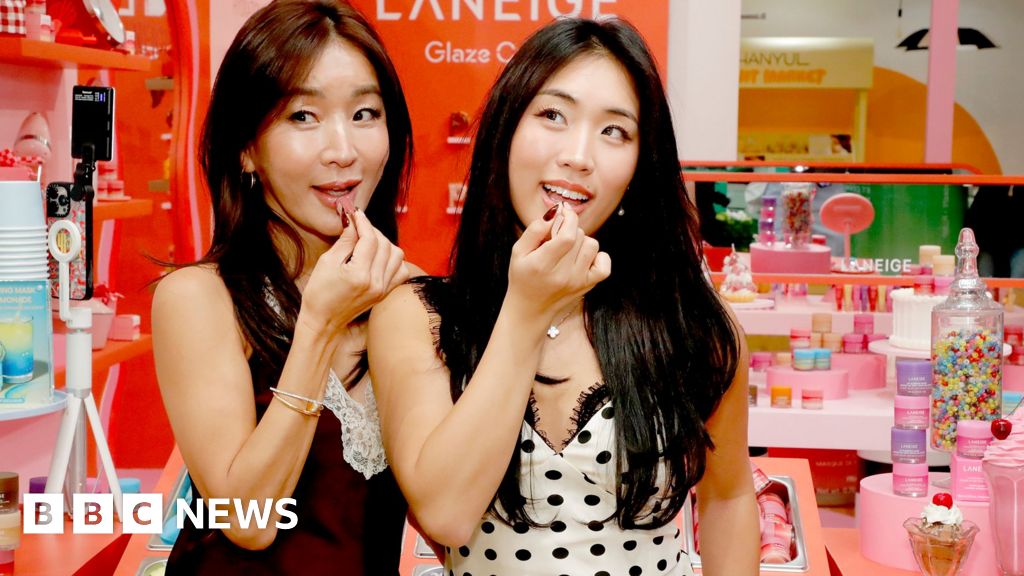
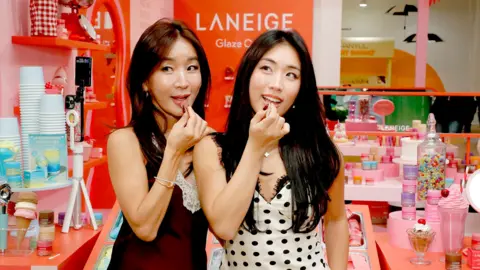
Many of South Korea’s largest beauty brands are integral parts of the country’s powerful conglomerates, known as chaebols. Amorepacific, for example, commands roughly half of the domestic market. Its vast portfolio spans ultra-premium brands like Sulwhasoo, globally recognized mass-market names such as Laneige, environmentally focused labels like Innisfree, and a growing number of fast-growing independent brands. Even with its immense resources, Amorepacific actively looks to smaller, independent brands for fresh ideas and agile innovation. Mr. Kim explains, "Through the founder and the CosRX team, we were able to learn their approach to formula innovation and how to respond more quickly to consumer needs. These lessons have since been integrated into our wider organization." This synergy between established giants and nimble newcomers is a hallmark of the K-beauty ecosystem.
In 2024, Amorepacific reported sales of approximately $6.2 billion, while LG Household & Health Care, another major conglomerate with a significant beauty division, recorded sales of $4.1 billion. The sheer scale and growth of the industry are consistently reflected in South Korea’s export figures. Exports surged by 15% in the first half of 2025 to a record $5.5 billion, driven largely by robust sales in the US and Europe. This trajectory puts the country firmly on track to surpass an astounding $10 billion in annual beauty exports.
For Mr. Kim, understanding diverse customer needs is paramount. "In countries like Japan, Korea, and China, there is more interest in things like flawless skin," he notes. "In Europe, fragrance is the main category, and in the US, make-up is more popular." However, he observes a significant shift: "Things are changing though," pointing to a rising interest among Western consumers in youthful-looking skin and comprehensive sun protection, particularly as global awareness of climate change and harmful UV exposure grows. This adaptability to evolving global consumer preferences is crucial for sustained growth.
To cater to this ever-growing and diversifying demand, South Korea’s estimated 30,000 beauty brands rely on a highly sophisticated industrial ecosystem. They are supported by a network of original development manufacturers, or ODMs, which are specialized companies that handle everything from research and formulation to the mass production of products for thousands of labels. Even large conglomerates strategically outsource some product lines to ODMs, while smaller names depend heavily on them to move quickly from concept to market and keep costs down.
Cosmax, one of the largest and most influential ODMs, supplies products to approximately 4,500 brands from its factories across South Korea, China, the US, and Southeast Asia. In 2024, Cosmax alone accounted for just over a quarter of South Korea’s impressive $10 billion worth of cosmetics exports. This highly efficient system allows products to transition from being conceptualized to being sold on shelves in as little as six months – a process that can often take one to three years for many Western brands. Furthermore, extensive automation in these factories helps keep production costs remarkably low. A visit to a sprawling Amorepacific factory outside Seoul, for instance, reveals a handful of workers overseeing fully automated production lines efficiently bottling popular products like Laneige’s Water Sleeping Mask and CosRX’s Vitamin C 23 Serum.
However, this relentless pursuit of speed and efficiency comes with its own set of challenges. The intense competition within the K-beauty market has contributed to thin profit margins and a high rate of business failures. Government data indicates that more than 8,800 cosmetics brands have ceased operations in recent years. "South Korea has great infrastructure that can help you create a brand quickly, but growing a successful brand is another story," says Liah Yoo. "It comes down to your brand ethos, your identity, and how different your products are from anything else on the market." As competition intensifies, brands face growing pressure to be more transparent, focusing on the efficacy and ethical sourcing of their ingredients rather than solely relying on celebrity endorsements or fleeting trends. Mia Chen, a prominent beauty influencer, notes this shift: "We’re not just buying from the big brands now. We’re actually talking about ingredients, where it’s sourced, what it does. A lot of Korean skincare derives from natural ingredients, and we all want that on our skin without side effects."
The industry is also being reshaped by its changing global market dynamics. China, once the largest overseas buyer, is no longer the undisputed leader as its own domestic brands increasingly erode the dominance previously enjoyed by Japanese and Korean imports. For the first time in 80 years, Amorepacific’s North America business surpassed its China operations last year, Mr. Kim revealed, adding that the firm anticipates significant growth in Japan, Europe, India, and the Middle East. The US remains a crucial market, importing more beauty products from South Korea than anywhere else. However, potential trade policy shifts, such as former President Donald Trump’s proposed 15% tariffs on Korean imports, introduce a degree of uncertainty. Olive Young, South Korea’s largest cosmetics retailer, which plans to open its first US store this year, has already imposed a 15% customs duty on American orders. Amorepacific has indicated it would consider price increases only on a case-by-case basis, following discussions with key retail partners like Sephora and Walmart.
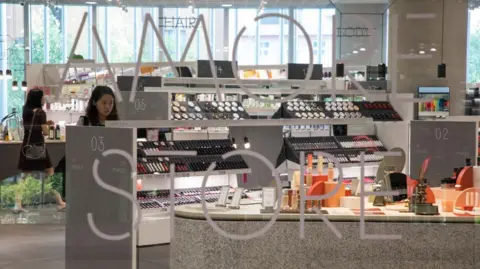
Despite these potential headwinds, K-beauty firms benefit from robust governmental support. In December, the South Korean government officially designated K-beauty a strategic national asset, promising comprehensive backing for manufacturing, research, and export initiatives. This telling vote of confidence underscores the industry’s evolution from a nascent viral trend to a globally recognized economic powerhouse, demonstrating remarkable resilience and an unwavering commitment to innovation that continues to captivate consumers worldwide.




 Roy Suryo