atisusanti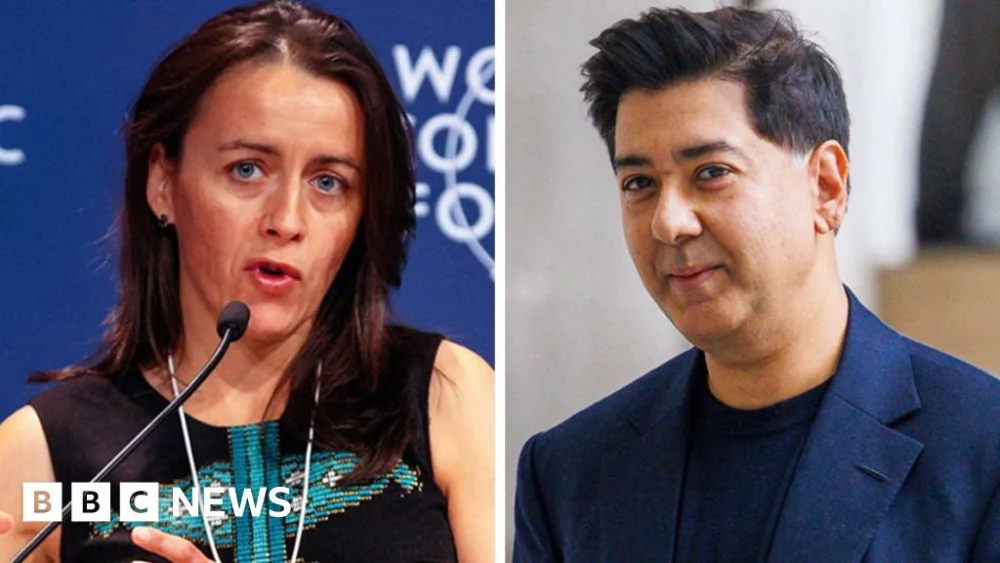
Two prominent British campaigners, along with three other European figures, have been denied visas to enter the United States, escalating a transatlantic dispute over online content moderation and free speech. The State Department, under the Trump administration, accused the individuals and their organizations of seeking to "coerce" American tech platforms into suppressing free speech, labeling them "radical activists" and part of a "global censorship-industrial complex."
Among those denied entry are Imran Ahmed, the CEO of the Centre for Countering Digital Hate (CCDH), and Clare Melford, the CEO of the Global Disinformation Index (GDI). Both organizations have been vocal advocates for greater accountability from social media companies regarding hate speech and disinformation. The move has drawn sharp condemnation from European leaders, who view it as an attempt to undermine European digital sovereignty and a violation of fundamental freedoms.
Ahmed, a former Labour adviser with significant ties to the UK Labour Party, has been described by the US government as a "collaborator" for the CCDH’s alleged past work with the Biden administration. The CCDH states its mission is to advocate for government action against online hate speech and disinformation. Notably, Sir Keir Starmer’s chief of staff, Morgan McSweeney, has served as a director of the CCDH, highlighting the organization’s connections within the UK political landscape.
Clare Melford founded the GDI in 2018, a non-profit organization dedicated to monitoring and exposing the spread of disinformation. US Undersecretary of State Sarah B. Rogers accused the GDI of using US taxpayer money to "exhort censorship and blacklisting of American speech and press." A spokesperson for the GDI vehemently denied these accusations, calling the visa sanctions an "authoritarian attack on free speech and an egregious act of government censorship." The spokesperson further stated that the Trump administration was using "the full weight of the federal government to intimidate, censor, and silence voices they disagree with," characterizing the actions as "immoral, unlawful, and un-American."
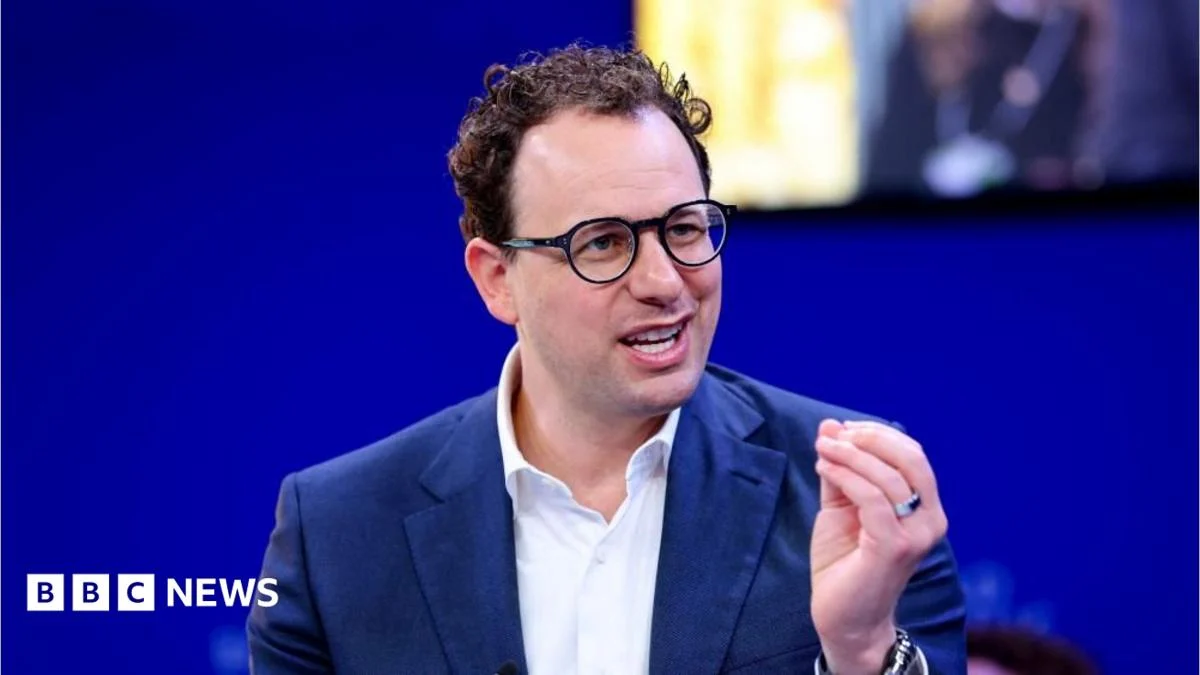
The visa bans also extend to other prominent European figures. Thierry Breton, the former top tech regulator at the European Commission, was also denied entry. The State Department identified Breton as the "mastermind" behind the EU’s Digital Services Act (DSA), legislation that imposes content moderation requirements on social media firms. This act has been a source of contention, with some US conservatives perceiving it as an attempt to censor right-wing viewpoints, a claim vehemently denied by Brussels. Breton has had public clashes with Elon Musk, the owner of X (formerly Twitter), over the platform’s adherence to EU regulations. The European Commission recently imposed a €120 million fine on X for its "deceptive" blue tick verification system under the DSA, marking the first such penalty under the new legislation. In response to the fine, Musk’s platform blocked the Commission from sharing advertisements. Reacting to the visa ban, Breton posted on X, "To our American friends: Censorship isn’t where you think it is."
Also targeted were Anna-Lena von Hodenberg and Josephine Ballon, co-CEOs of HateAid, a German organization that the State Department claimed assisted in enforcing the DSA. In a joint statement to the BBC, von Hodenberg and Ballon condemned the US action as an "act of repression by a government that is increasingly disregarding the rule of law and trying to silence its critics by any means necessary." They asserted that they would "not be intimidated by a government that uses accusations of censorship to silence those who stand up for human rights and freedom of expression."
The US government, through Secretary of State Marco Rubio, justified the measures by stating that the banned individuals and organizations belonged to a "global censorship-industrial complex." Rubio emphasized that "President Trump has been clear that his America First foreign policy rejects violations of American sovereignty. Extraterritorial overreach by foreign censors targeting American speech is no exception." This stance underscores a fundamental disagreement on the role of governments in regulating online content and the extent to which foreign entities should influence or dictate terms for American technology platforms.
European leaders have voiced strong opposition to the US decision. French President Emmanuel Macron described the travel ban as "intimidation and coercion aimed at undermining European digital sovereignty." Similarly, the EU’s foreign policy chief, Kaja Kallas, deemed the actions "unacceptable and an attempt to challenge our sovereignty." These statements reflect a broader concern within Europe about perceived US interference in its regulatory efforts to manage the digital space.
The UK government, while asserting its commitment to free speech, has also acknowledged the right of countries to set their own visa rules. A spokesperson stated, "While every country has the right to set its own visa rules, we support the laws and institutions which are working to keep the internet free from the most harmful content." This nuanced position reflects the UK’s balancing act between its alliance with the US and its commitment to European regulatory frameworks.
The implications of these visa denials extend beyond the individuals involved, potentially impacting future collaborations and dialogue between US and European stakeholders on digital policy. The controversy highlights the growing global tensions surrounding internet governance, the definition of free speech in the digital age, and the extraterritorial reach of national policies. As the debate intensifies, it raises critical questions about the balance between protecting free expression, combating harmful content, and respecting national sovereignty in an increasingly interconnected world. The actions taken by the US government signal a more assertive and protectionist stance on issues of online speech and content moderation, setting a potentially contentious precedent for international relations in the digital sphere. The focus on "coercion" and "censorship-industrial complexes" suggests a deep-seated ideological divide on how to best manage the complex challenges presented by global digital platforms and their impact on public discourse.


 Roy Suryo
 Nakalama John
 Ramos Leo