Ramos Leo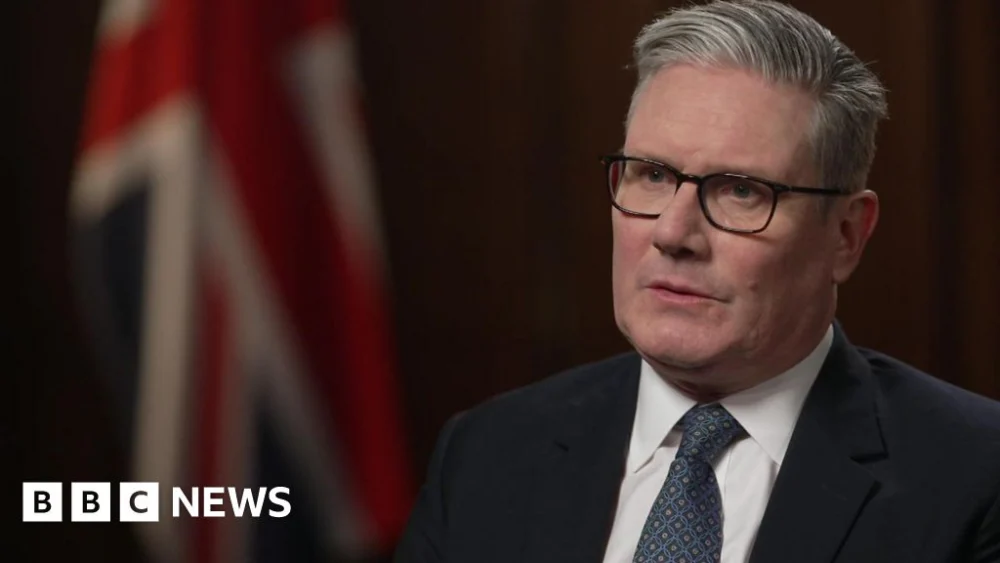
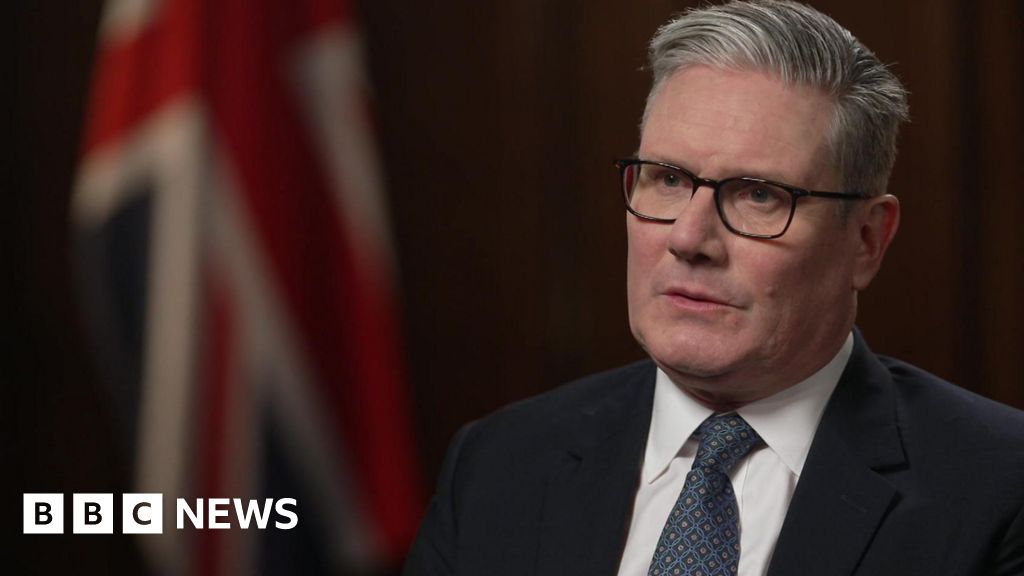
When pressed by journalists on whether he would condemn the US action, a stance already taken by several prominent UK politicians, Sir Keir adopted a cautious approach. He stated his immediate priority was to "establish the facts" of the "fast-moving situation" before engaging in any public condemnation, stressing the need for direct consultation with President Trump and key international allies. The Prime Minister also highlighted the critical efforts underway to safeguard British citizens residing in the South American nation. He confirmed close coordination with the UK embassy in Venezuela to ensure the well-being and appropriate advice for approximately 500 British nationals caught in the turbulent aftermath of the strike.
"I always say and believe we should uphold international law," Sir Keir reiterated, underscoring a fundamental principle of British foreign policy. "But I think at this stage, [in a] fast-moving situation, let’s establish the facts and take it from there." His careful phrasing indicated a desire to avoid premature judgment while signaling a commitment to the global rules-based order. "I want to establish the facts first. I want to speak to President Trump. I want to speak to allies. As I say, I can be absolutely clear, we were not involved in that," he concluded, drawing a clear line between London and Washington’s actions. The Prime Minister’s measured response reflected the delicate diplomatic balance of navigating a crisis involving a close ally while upholding international legal norms and protecting national interests.
The extraordinary events unfolded as President Trump announced that Venezuela’s embattled left-wing president, Nicolas Maduro, and his wife had been successfully flown out of the country following a targeted military operation. Reports from CBS News, the BBC’s North American partner, indicated that elite Delta Force soldiers were deployed in the precision raid to capture the Venezuelan leader. This unprecedented intervention followed years of escalating tensions between Washington and Caracas, with the US consistently accusing Maduro’s government of corruption, human rights abuses, and undermining democratic institutions.
Maduro has long been a target of US legal action, having been indicted in New York on serious drugs and weapons charges, according to US officials. These charges formed a significant part of the justification for the US administration’s aggressive stance. In the immediate aftermath of the operation, US Secretary of State Marco Rubio indicated a potential de-escalation, stating he anticipated "no further action" against Venezuela, suggesting the primary objective of the intervention had been achieved. The strikes inside Venezuela represent a dramatic culmination of sustained US pressure against the Maduro government, which Washington has consistently labelled illegitimate. For his part, Maduro has vehemently denied the accusations, framing them as part of a long-standing campaign of intimidation and attempted regime change orchestrated by the United States. The operation, therefore, marked a significant escalation from previous sanctions and diplomatic pressure, moving into direct military action to effect a change in leadership.
Domestically in the UK, the news of the US operation elicited a range of strong reactions across the political spectrum. Conservative Shadow Foreign Secretary Dame Priti Patel offered a stark assessment, stating unequivocally that "nobody will shed tears" over Maduro’s removal. Her comments reflected a long-held Conservative Party position that viewed Maduro’s administration as illegitimate and brutal. "We have always strongly condemned Maduro’s brutal and repressive regime and the Conservative government did not consider Maduro’s administration as legitimate," she affirmed. While refraining from an outright endorsement of the US military action, Patel stressed the need for further information. "We await the full facts about the US operation which has removed Maduro and we want to see the Venezuelan people enjoy democratic norms and freedoms," she added, emphasizing the potential for a new, democratic future for Venezuela. She concluded by acknowledging the gravity of the moment: "This is clearly a very serious geopolitical moment," highlighting the far-reaching implications of such an intervention.
In stark contrast, Liberal Democrat leader Sir Ed Davey urged Prime Minister Starmer to issue an immediate condemnation of the US actions. Sir Ed expressed deep concern that such unilateral military interventions undermine international law and set dangerous precedents. "Keir Starmer should condemn Trump’s illegal action in Venezuela. Maduro is a brutal and illegitimate dictator, but unlawful attacks like this make us all less safe," he argued passionately. Davey warned of the broader implications for global security, stating, "Trump is giving a green light to the likes of Putin and Xi to attack other countries with impunity." His comments highlighted fears that such actions could embolden other authoritarian regimes to disregard international sovereignty, leading to a more volatile and dangerous world order.
Meanwhile, Reform UK leader Nigel Farage offered a notably different perspective, characterizing the US military operation as "unorthodox" but potentially strategic. Farage suggested that the decisive and forceful nature of the US action could serve as a powerful deterrent to future aggression from rival powers like Russia and China. His view aligns with a more nationalistic and assertive foreign policy stance, prioritizing strong displays of force as a means of maintaining global order and deterring adversaries.
Conversely, Green Party leader Zack Polanski unequivocally called on the Prime Minister to condemn the US military strike, which he unequivocally described as "illegal" and a "breach of international human rights law." The Green Party’s stance is consistent with its long-standing opposition to military interventions and its strong advocacy for adherence to international law and peaceful resolutions to conflicts. Polanski’s statement reflected the deep concern within his party regarding the implications of such actions for global stability and human rights.
Internationally, the European Union’s top diplomat, Kaja Kallas, issued a carefully worded statement indicating that the situation in Venezuela was being "closely monitored." Kallas reiterated the EU’s long-held position that Maduro "lacks legitimacy" but underscored the Union’s consistent defense of a peaceful and democratic transition for Venezuela. She stressed the critical importance of adhering to international legal principles: "Under all circumstances, the principles of international law and the UN Charter must be respected. We call for restraint," she urged, reflecting the EU’s commitment to multilateralism and the rule of law. Furthermore, Kallas emphasized a paramount concern for the safety of European citizens, stating, "the safety of EU citizens in the country is our top priority," mirroring Starmer’s concern for British nationals. The EU’s position highlights the complex challenge of balancing the desire for democratic change with the imperative to uphold international legal frameworks and prevent further instability.
The US strike on Venezuela, irrespective of its immediate outcome, is set to reverberate across the global diplomatic landscape. It raises profound questions about national sovereignty, the limits of intervention, and the future of international law. For Latin America, it marks a significant and potentially destabilizing precedent, while for the UK and other US allies, it poses a complex diplomatic challenge: how to reconcile their commitment to international norms with the actions of their most powerful partner. The "fast-moving situation" promises continued debate and diplomatic maneuvering as the world grapples with the implications of this audacious act.


 Roy Suryo
 Nakalama John
 atisusanti