Nakalama John
Freezing winter temperatures can mean significantly higher bills when keeping your home warm, especially as households continue to grapple with rising energy costs and a general squeeze on budgets. Navigating the colder months without breaking the bank requires a strategic approach to both heating your property and safeguarding your personal well-being. This guide offers practical advice on the most effective ways to heat your home efficiently, keep yourself safe and well, and access support during cold weather.

 Getty Images
Prioritise your health
Keeping warm over the winter months is crucial, not just for comfort but for preventing a range of serious health problems. Exposure to cold can exacerbate existing conditions and lead to new ones, including colds, flu, heart attacks, strokes, pneumonia, and even depression, according to the NHS. Certain groups are particularly vulnerable to the effects of cold weather, including pensioners, children under the age of five, individuals with pre-existing health conditions (such as respiratory or cardiovascular diseases), and those who are pregnant. It’s advisable for vulnerable individuals to get their flu jab and COVID-19 booster where recommended to protect against seasonal illnesses.
One of the simplest and most effective ways to stay warm without turning up the thermostat is by dressing in multiple layers of clothing. Trapping air between layers provides excellent insulation. Opt for materials like wool, fleece, or thermal fabrics. Don’t forget extremities; thick socks, hats, scarves, and even fingerless gloves can make a significant difference, especially if you’re not moving much. Indoors, try to stay active where possible; even light exercises or moving around the house can help generate body heat and improve circulation.
Community spirit plays a vital role during cold snaps. Family, friends, and neighbours can contribute by regularly checking in on anyone who is more vulnerable. This includes ensuring they are well stocked up with essential food supplies and necessary medicines, and that their property remains safe and accessible by keeping steps or paths clear of snow or ice. Many charities and local councils across the country run free warm hubs. These welcoming spaces, often located in libraries, community centres, or places of worship, offer a heated environment where people can gather, socialise, and sometimes access hot drinks or other support without incurring heating costs at home. They provide a vital lifeline for those struggling with energy bills and can combat social isolation.
Heat your home efficiently
Optimising your home’s heating efficiency can lead to substantial savings. Start by identifying and addressing any quick fixes that might be causing energy waste. This means consciously turning off radiators in rooms that are not in use, ensuring lights are switched off when you leave a room, and unplugging electrical appliances or switching them off at the wall rather than leaving them on standby, which can still draw phantom power.
Maximise natural warmth by opening curtains and blinds during daylight hours, especially on south-facing windows, to let in as much solar heat as possible. As dusk falls, draw them closed to create an insulating layer that traps heat inside and prevents it from escaping through windows. Heavy, thermal-lined curtains are particularly effective.

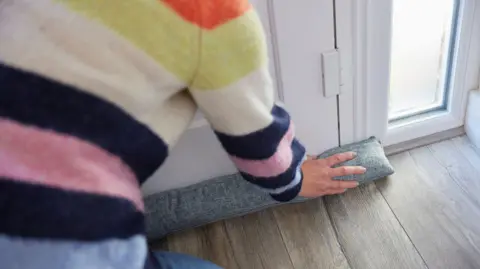
Limiting heat loss through draughts is one of the most cost-effective ways to keep your home warm. Draught excluders can block gaps under doors, and self-adhesive foam strips, metal, or plastic seals can be fitted around windows and door frames. Be thorough in your search for draughts: check skirting boards, loft hatches, pipework, and even electrical sockets on external walls. For external keyholes, small covers can be fitted, and letterboxes can benefit from a brush or flap attachment. Hanging a heavy door curtain over frequently used external doors can also provide an extra layer of insulation. For unused fireplaces, a chimney draught excluder or a DIY solution like a black bag filled with scrunched-up paper can prevent significant heat loss up the flue. However, the Energy Saving Trust rightly points out that internal doors should not be draught-proofed. This is crucial for allowing proper air circulation throughout a property, which helps prevent condensation build-up and the associated problems of damp and mould. Additionally, placing rugs or carpets over bare floorboards can significantly reduce heat loss through gaps and make hard floors feel much warmer underfoot.
 Getty Images
The debate over whether it’s more efficient to keep your heating on permanently at a lower temperature or switch it on and off as required often depends on your home’s insulation levels. Generally, for well-insulated homes, maintaining a consistent lower temperature (e.g., 18°C) can be more efficient, as it prevents the house from cooling down significantly and requiring a large burst of energy to reheat. For older, less insulated properties, it might be more cost-effective to heat only when needed. A thermostat is your best tool here, allowing you to keep the room temperature between 18C and 21C, which is ideal for most people. However, reducing the temperature by even one degree can lead to noticeable savings. For older people and those with health conditions which limit their mobility, it is crucial not to let temperatures drop below 18C in rooms they use regularly to avoid health risks.
Modern heating systems often come with timer functions, allowing you to programme specific temperatures at different times of the day, aligning heating with your daily routine. Smart wireless thermostats, connected to the internet, offer even greater control, enabling remote operation via a smartphone app and sometimes learning your heating habits for optimal efficiency. Furthermore, turning down your combi boiler’s flow temperature, typically from a default of 75-80°C to around 60°C, can help the system run more efficiently in condensing mode, potentially saving money. Always consult your boiler’s manual or a professional before making adjustments.
Ensure radiators are not obstructed by furniture or long curtains, as this prevents heat from circulating effectively. Consider fitting reflector panels behind radiators on external walls; these reflect heat back into the room rather than allowing it to escape through the wall.
For targeted heating, if you are spending a long period in just one room, a portable electric heater can be a more economical choice than heating the entire house. There are various types, including fan heaters for quick warmth, oil-filled radiators for sustained heat, and halogen heaters for direct warmth. Always plug electric heaters directly into a mains socket, never into an extension lead, and place them on a flat, stable surface at least 3ft (1m) away from anything flammable like curtains, bedding, or furniture. Be extremely cautious with gas heaters, as they carry a significant risk of carbon monoxide poisoning. It is imperative to have a working carbon monoxide alarm in the same room, positioned correctly and tested regularly. Electric blankets or heated throws offer a personal, low-energy way to stay warm, especially in bed or on the sofa. Look for models with a timer function to ensure they don’t overheat and always check them for damage before use.
Eat, drink and wash well
Maintaining good nutrition and hydration is fundamental to staying warm and healthy during cold weather. Experts argue it is essential to eat and drink properly, as your body uses energy from food to generate heat. Aim for at least one hot meal a day, such as a hearty soup or stew, and regularly consume hot drinks like tea, coffee, or hot chocolate. Age UK specifically recommends this practice. Incorporate plenty of fruit and vegetables to boost your immune system. Tinned soups, fruits, and vegetables can be a more affordable alternative to fresh produce, and pulses like lentils and beans are excellent, cheap sources of protein.
If you are struggling to afford food, support is available. You may be able to get assistance from your local food bank, although you typically need a referral from a local community organisation, GP, or social worker. Many local community organisations can help arrange this and provide additional support.
In the kitchen, several habits can reduce energy consumption. Only boil the amount of water you need in your kettle to avoid wasting electricity. Batch cooking meals and freezing portions not only saves money by allowing you to buy ingredients in bulk but also reduces energy use compared to cooking fresh every day. Microwaves and air fryers are generally far more energy-efficient than traditional gas or electric ovens for heating smaller portions or cooking specific items, due to their smaller size and quicker cooking times. Consider also slow cookers for economical, hearty meals.
When it comes to washing, ensure your dishwasher is completely full before running it, and select an eco-setting if available, which uses less water and lower temperatures. If your energy supplier offers discounts for off-peak electricity use, try to run washing machines, tumble dryers, and dishwashers during these cheaper periods, typically late at night or early morning. Washing clothes at 30C rather than 40C or higher also uses significantly less energy, and modern detergents are effective at lower temperatures. For personal hygiene, limit your shower time to four minutes. Using a timer or creating a playlist of four-minute songs can help you keep track. Consider insulating your hot water tank if you have one, to reduce heat loss and keep water hotter for longer.
Get help with your heating bills
If you’re struggling with heating costs, don’t suffer in silence. A range of support is available to help manage your bills and keep your home warm.
Firstly, check your eligibility for government support schemes. These often include the Winter Fuel Payment (an annual payment to help older people with heating costs), Cold Weather Payment (triggered during periods of very cold weather for those on certain benefits), and the Warm Home Discount Scheme (a one-off discount on electricity bills for eligible low-income households or those receiving the Guarantee Credit element of Pension Credit). While some schemes are seasonal or depend on specific criteria, it’s always worth checking what you might be entitled to.
Secondly, contact your energy supplier directly. They have a duty to help vulnerable customers and those in debt. They can offer advice on payment plans, discuss options for managing arrears, or direct you to their hardship funds or grants. Many suppliers also offer free energy efficiency advice or even home assessments.
Thirdly, independent advice services and charities are invaluable resources. Organisations like Citizens Advice offer free, confidential advice on energy issues, benefits, and debt. National Energy Action (NEA) is a charity working to end fuel poverty and provides practical advice. Age UK offers specific support for older people, including guidance on energy costs and accessing benefits. Your local council may also have schemes or signposting services for residents in need, often including discretionary housing payments or local welfare assistance.
Finally, consider long-term solutions. While upfront costs can be daunting, grants may be available for insulation (loft, cavity wall, external wall), boiler upgrades, or double glazing, which can drastically reduce your energy consumption over time. An energy audit, either professional or a DIY assessment, can help identify where your home is losing the most heat and what improvements would be most cost-effective. Taking advantage of these resources can provide essential relief and help secure a warmer, more affordable home.



 Roy Suryo