Nakalama John
Northern Ireland’s Commissioner for Children and Young People, Chris Quinn, has issued a stark warning: the impending increase in school meal prices will "acutely" impact children living in poverty who currently do not qualify for free school dinners. Mr. Quinn has unequivocally called for a "fundamental rethink" of the entire school meal provision system, advocating for universal free school meals across Northern Ireland to address this growing crisis.
The Education Authority (EA) confirmed that school meal prices will rise in January 2026, marking the first such increase since 2017. This decision, according to the EA, is a direct response to a significant funding gap of £300m. Unlike previous financial years, the authority states it does not anticipate receiving additional in-year funding to bridge this substantial shortfall, leaving it with difficult choices to make regarding budget management.
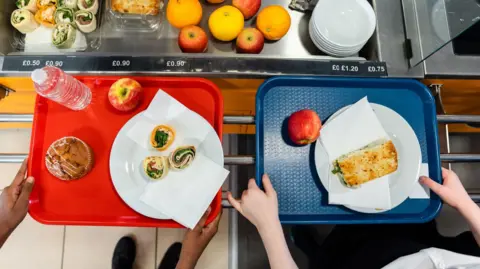
Under the savings plans announced by the EA, the financial burden on families is set to increase considerably. For primary and special school pupils, the cost of a school dinner will jump by 50p, from £2.60 to £3.10. This represents an approximate 19% increase. Post-primary pupils will face similar 19% price rises on food purchased from school canteens, while even pre-school meal prices are set to go up. Crucially, pupils who are already entitled to free school meals will not be affected by these price adjustments, highlighting the disparity and the specific vulnerability of families just above the eligibility threshold.
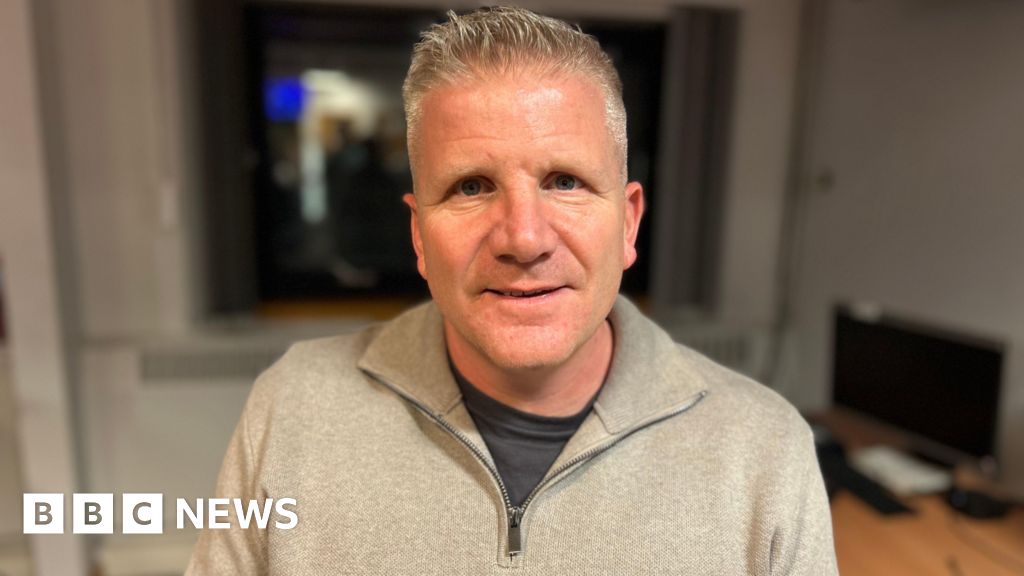
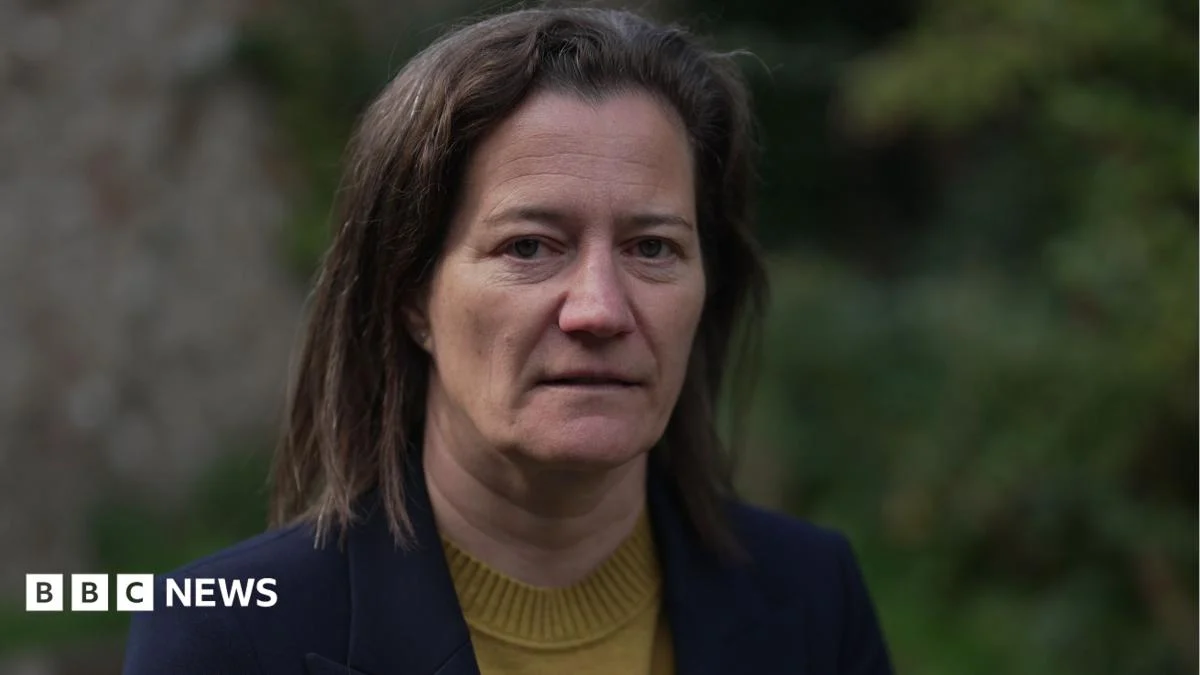
Chris Quinn’s advocacy for "universal free school meals" stems from a deep concern for the well-being and educational outcomes of all children. He pointed to the soaring rates of food inflation, describing it as "going through the roof," which exacerbates the financial strain on low-income households. "We have lots of children here who are from low-income families and the system, I think, needs a radical rethink," Quinn stated. He emphasized that the cost increase, far from solving the EA’s financial woes, could have a "massive negative impact on their education and their health and well-being."
Quinn further elaborated on the silent suffering of many children. "The reality is there’s too many children here going to school hungry and there’s way too many that miss out on a free school meal," he asserted. The Commissioner highlighted that the cost of living has "gone up massively," disproportionately affecting working families who struggle to make ends meet but earn just enough to fall outside the stringent criteria for free school meal eligibility. For these families, particularly those with multiple children attending school, the price hike means a significant portion of their already stretched budget will be diverted. "For families with multiple children in school, there’s going to have to be a rethink at home, I guess. I do think we need to address this issue from a different perspective." Quinn’s call implies a systemic issue that cannot be solved by simply increasing prices, but rather requires a fundamental policy shift towards greater equity and support.
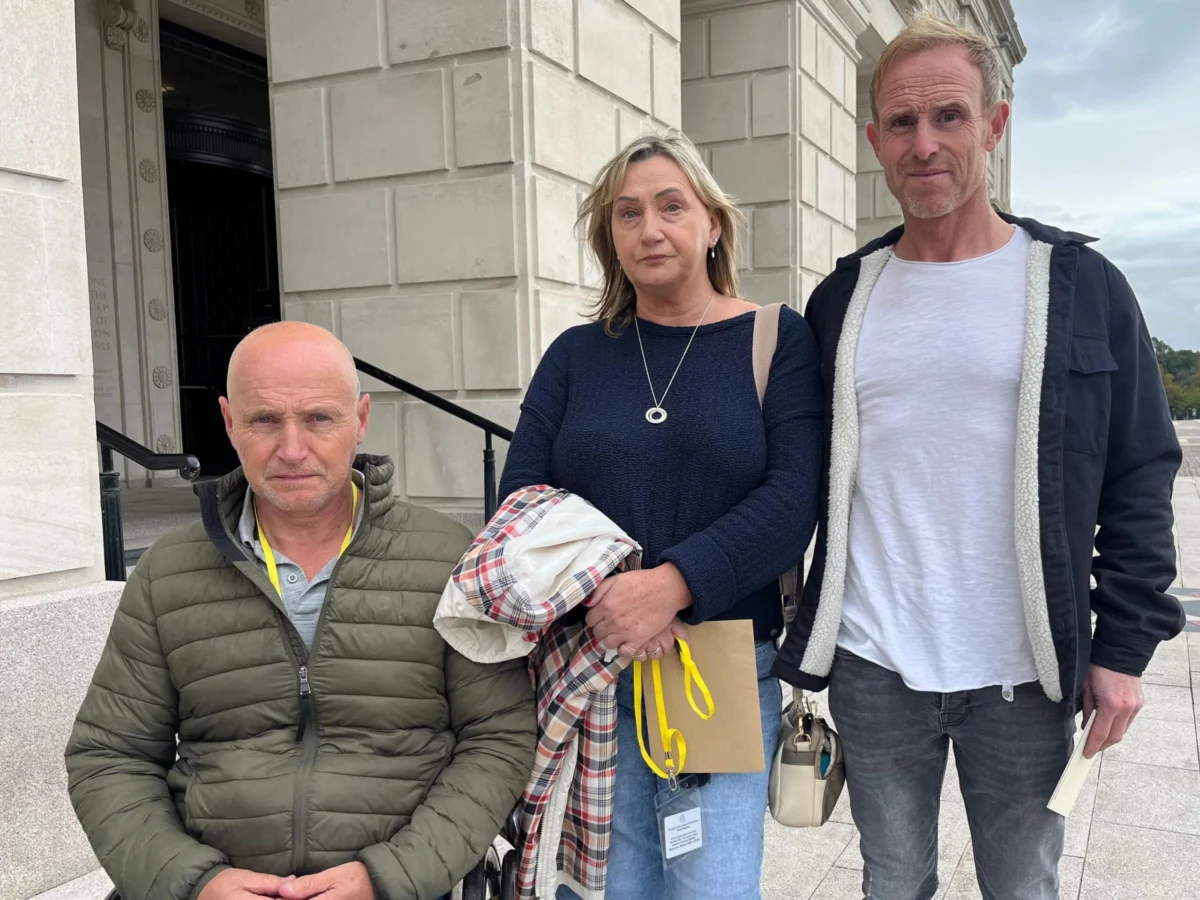
The personal impact of these increases resonates deeply with parents like Sue McDonnell, a mother of three. For Sue, every penny counts in an environment where "everything is going up." She meticulously "shops around for everything" to manage her household budget. The new school meal prices force her into agonizing decisions. "I’m going to have to sit down and work out how much I can actually afford for them to actually have for school dinners every week," she explained. "Can I afford to give them a school meal, a hot meal, what three days a week at the minute or I might have to cut it down to two." This scenario underscores the harsh reality many families face – compromising on hot, nutritious meals for their children due to financial constraints. Sue’s coping mechanism involves "batch cooking lots of her meals," a strategy she finds "quite handy" for packed lunches, but one that demands time, effort, and careful planning, often sacrificing variety and spontaneity.
Sue also questioned the EA’s decision to implement such a substantial increase in one go. "They haven’t done a price increase in the last couple of years. Nobody would have noticed over the last couple of years [if it was gradual]," she remarked, highlighting the shock and sudden pressure this places on family finances. "It’s a lot of money in one go," she concluded, echoing a sentiment of frustration at the abruptness of the change, which offers little time for families to adjust.
Another parent, Glen Cawley, who is self-employed, articulated a powerful argument for universal provision. "Of all things I believe in, is that every child that goes to school, the government should be seeing that every child should get at least one free meal a day and it shouldn’t matter if their parents are working," he told BBC News NI. His statement highlights a key flaw in the current system: the ‘working poor’ often find themselves caught in the middle, earning too much to qualify for assistance but not enough to comfortably afford rising costs. "Working people are finding times hard too," Cawley emphasized, drawing attention to the broad impact of the cost-of-living crisis beyond those traditionally categorized as ‘in poverty.’ This perspective challenges the narrow eligibility criteria, advocating for a universal approach that recognizes the widespread financial difficulties faced by a significant portion of the population.
The Education Authority has defended its decision by noting that the cost of a school dinner had not risen since the 2017/18 academic year, during which time inflation has surged by approximately 35%. They further revealed that each school meal costs an average of £4.28 to produce, indicating a substantial subsidy even with the new prices. This financial pressure is compounded by the EA’s broader £300m funding gap, which has already led to other austerity measures, including instructing school principals to restrict the appointment of new staff and limit the use of substitute teachers. These savings plans, while necessary from the EA’s perspective to manage its budget, directly affect families and the essential services provided within schools, turning the school meal price hike into a symptom of a larger systemic underfunding issue within Northern Ireland’s education sector.
About 210,000 school meals are eaten every day across Northern Ireland, with approximately 90,000 pupils already entitled to free school meals. The increase in price for the remaining 120,000 children will disproportionately affect those families who are just above the free school meal income threshold. These are often families where parents are in low-wage or precarious employment, battling rising energy bills, housing costs, and food prices, all without the safety net of free school meals. The consequence is that children from these "just about managing" families are at a heightened risk of experiencing hunger, which can manifest in various ways: difficulty concentrating in class, reduced academic performance, behavioral issues, and long-term health problems. A lack of consistent, nutritious food during childhood can have profound and lasting effects on a child’s physical and cognitive development, potentially perpetuating cycles of poverty.
The issue is not just about nutrition; it’s also about dignity and equity. The current system, by creating a visible distinction between those who receive free meals and those who pay, can lead to stigma and social exclusion. Universal free school meals, as advocated by Chris Quinn, could eliminate this stigma, ensuring all children receive a healthy meal regardless of their family’s income or employment status. This approach has been successfully adopted in other parts of the UK, such as Scotland and Wales, where universal free school meals for primary school children are being phased in, demonstrating a political will to address child poverty and support families.
In December, trade unions took part in protests against the increase in school dinner prices and other savings plans announced by the EA, signaling broader discontent among education staff and advocates. Their actions underscore the widespread concern that these measures, while intended to address a financial deficit, will ultimately harm the most vulnerable.
The call for a "fundamental rethink" is therefore more than just a plea; it is an urgent demand for a comprehensive policy review that considers the holistic well-being of children. It requires the Northern Ireland Executive to prioritize investment in education and child welfare, exploring alternative funding models or increased central government allocation to the EA. Without such a rethink, the price increases risk creating a generation of children whose educational potential and health are compromised, exacerbating existing inequalities and undermining the very foundation of a fair and equitable society. The acute impact on children in poverty is not merely an unfortunate side effect; it is a direct consequence that demands immediate and compassionate action.


 Roy Suryo