Nakalama John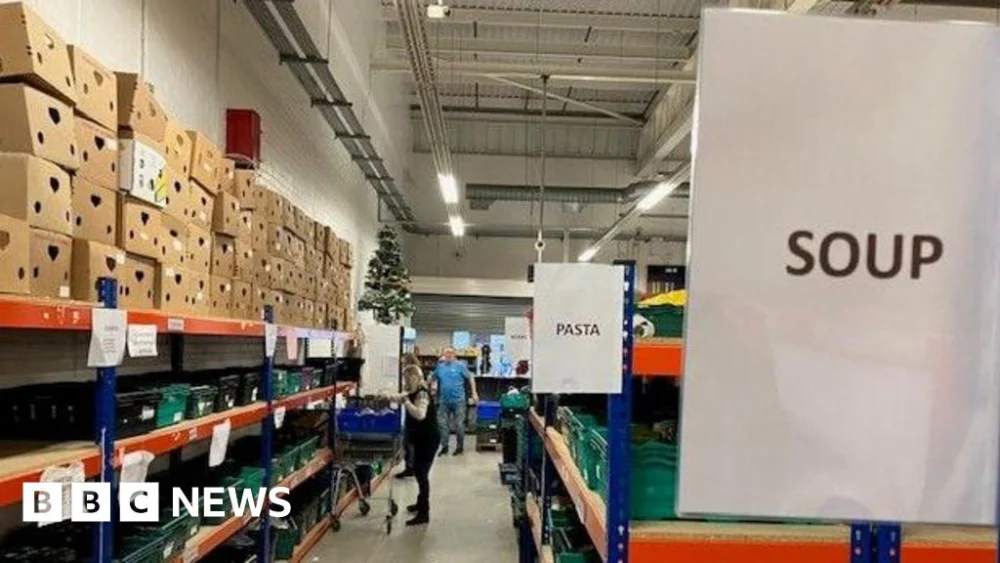
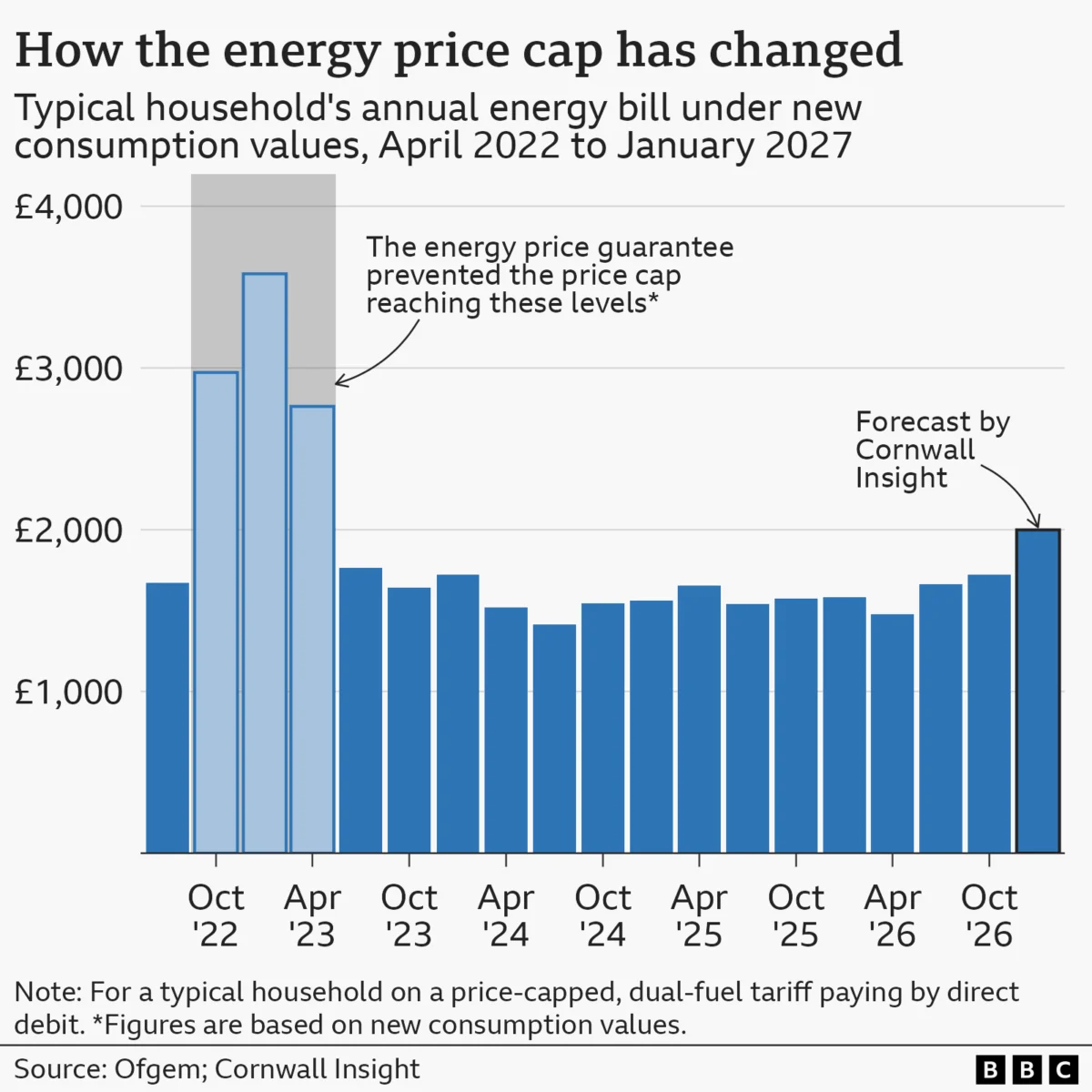
The government’s November budget introduced a raft of measures designed to alleviate these pressures and stimulate the economy. These included an uplift in the minimum wage, the contentious decision to scrap the two-child benefit cap, and the removal of certain "green taxes" from energy bills, all intended to put more money into voters’ pockets. Yet, the real-world impact of these policies, and their ability to translate into improved living standards and a more vibrant economy, remains to be seen. To understand the true pulse of the nation, it is crucial to hear from those on the front lines of the cost of living crisis, such as food bank staff, and from key sectors like hospitality, which serves as one of the East of England’s primary employers. Their perspectives offer an invaluable, ground-level assessment of the year ahead and the efficacy of government interventions.
At Colchester’s Foodbank, the flow of individuals seeking assistance is constant, with new arrivals appearing every few minutes. The charity operates 11 centres across the town, collectively serving a staggering 3,000 people each month. Nikki Ranson, co-director of the food bank, paints a grim picture of the choices facing many families. "The stories all come back to not having enough money to buy food and the choice between putting food on the table or heating the house," she explains, highlighting the agonizing decisions forced upon struggling households. The demographic of those seeking help has broadened dramatically, a troubling sign of the crisis’s reach. "We have schoolteachers coming in, we have police officers and nurses," Ranson reveals. She recalls a recent case of a nurse, typically reliant on overtime, who found herself in "dire straits" after a few weeks without additional shifts. This illustrates how even those in ostensibly stable professions are increasingly vulnerable to economic shocks.
The very nature of the food bank’s mission has been fundamentally altered by the sustained crisis. "We’re supposed to be an emergency food service that is supposed to be a three-day food parcel a couple of times a year," Ranson laments. "We’ve become a normal. We’re now a go-to and that’s not right." This transformation from a last-resort safety net to a regular source of sustenance underscores the depth and persistence of the poverty crisis. According to the Trussell Trust, a leading anti-poverty charity, a total of 332,500 food parcels were distributed across the East of England over the past year. While this figure represents a 5% decline compared to the preceding year, it’s crucial to contextualize this. The previous year saw unprecedented demand, and while a slight dip is noted, the overall volume remains exceptionally high, far exceeding pre-crisis levels and indicating that the underlying need is still profoundly unmet.
Ms. Ranson believes that the budget changes, while potentially helpful, will take considerable time to filter through to people’s pockets. She emphasizes that further action is needed, particularly regarding benefits and wages, to genuinely alleviate the widespread hardship. Consequently, she anticipates that the number of individuals relying on her food bank will remain consistently high throughout the coming year. A Treasury spokesman, responding to concerns, acknowledged the ongoing challenges: "We know there’s more to do to help families with the cost of living. That’s why the Chancellor took action at the Budget to freeze rail fares and prescription charges and will cut £150 off the average energy bill this year." While these measures offer some relief, critics argue they may not address the systemic issues driving families to food banks. The true indicator of whether cost of living pressures are genuinely easing will be the figures for food bank usage by next Christmas, which will provide a critical benchmark for government policy effectiveness.
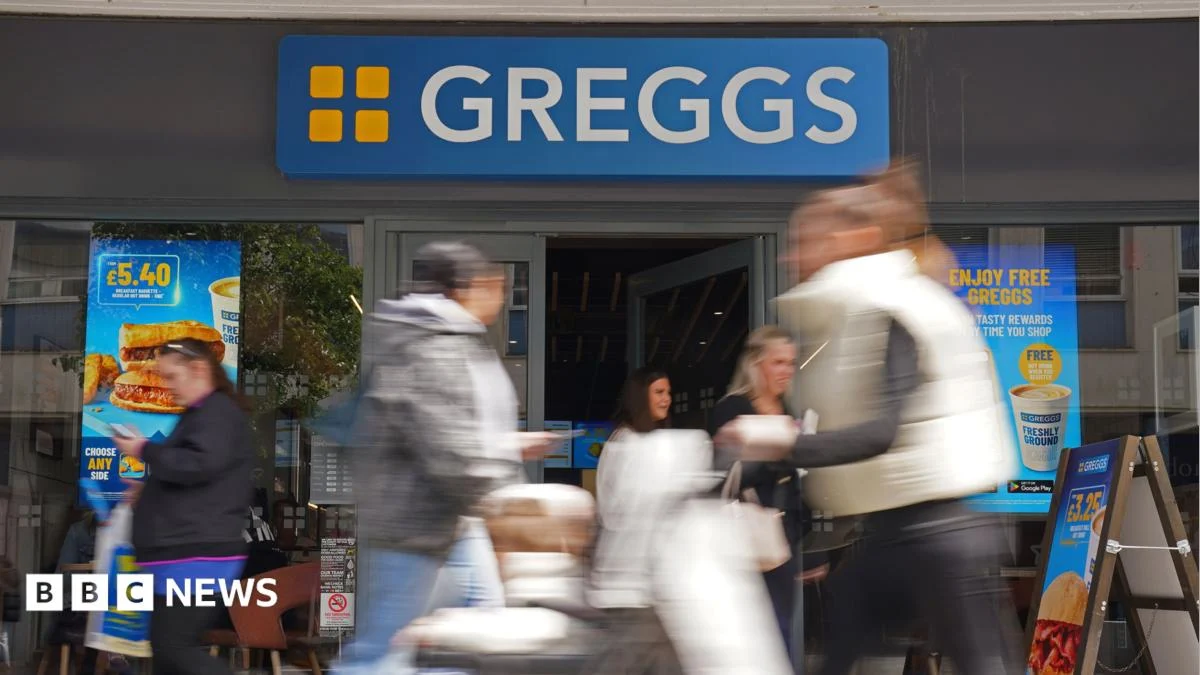
The hospitality sector, a vital component of the regional economy, echoes the widespread anxiety. Matthew Alum, who operates two pubs in the Colchester area, candidly expresses his fears: "This year is going to be a fight for survival. If I make it to Christmas I’ll be impressed." His struggle is not theoretical; he recently had to relinquish a third pub to the brewery, unable to sustain its operations. Alum feels a profound sense of "betrayal" regarding the recent budget. "We were promised loads of support, and all we had was another rise in the minimum wage and another rise in business rates," he states, highlighting the perceived disconnect between government rhetoric and the realities faced by small businesses.
The impact of rising labor costs is particularly acute for hospitality, a notoriously labor-intensive industry with tight margins. Alum estimates that every increase in the minimum wage adds a staggering £100,000 to his annual wage bill. This financial pressure has already forced him to increase prices for customers, and he is now contemplating reducing staff hours, a measure that could lead to job losses and diminished service quality. Compounding these challenges are other government-imposed costs: increased employers’ national insurance contributions, the phasing out of business rate relief, and a significant rates revaluation. Alum illustrates the dramatic escalation of these burdens: "When Labour came to power I was paying £445 a month, now it could be as much as £3,200 a month." This nearly seven-fold increase in business rates alone represents an existential threat to many establishments.
The industry body, Hospitality UK, corroborates these concerns, estimating that the average hospitality business will endure a crippling 94% increase in its business rates over the next three years. Allen Simpson, Chief Executive of Hospitality UK, warns of dire consequences: "Every high street is going to feel a massive hit and so will our communities when much-loved venues are forced to close." The ripple effect of these closures extends beyond individual businesses, impacting local employment, social hubs, and the overall vibrancy of town centres.
Back at the Cricketers pub in Fordham Heath, Mr. Alum insists that the government must urgently reconsider the rates revaluation and implement a cut in VAT for the hospitality sector. Such measures, he argues, are essential to provide genuine relief and foster an environment where businesses can thrive rather than merely survive. His frustration has reached a point where political affiliation is secondary to practical solutions. "If a Labour MP comes to talk to me about what’s going on, I’ll talk to them – however, until they’re prepared to have a proper conversation with me about what needs to be done I’ll be asking them to leave," he asserts. "This isn’t party politics… for me this is betrayal."
A Treasury spokesman reiterated the government’s commitment, stating that the budget included a £4.3 billion support package for hospitality. "This comes on top of our efforts to help more venues offer pavement drinks and put on one-off events, maintaining our cut to alcohol duty on draught pints, and capping Corporation Tax," he added. However, for business owners like Alum, these measures appear insufficient to offset the overwhelming burden of rising operational costs and rates. The High Street has been battling structural challenges for years, but for many in the hospitality industry, 2026 is poised to be a make-or-break year, a defining period that will determine the survival of countless cherished local venues and the livelihoods they support. The signs of economic growth, if they emerge at all, must be tangible and widespread enough to reach these struggling sectors and individuals, or the political and social consequences could be profound.


 Roy Suryo