Nakalama John
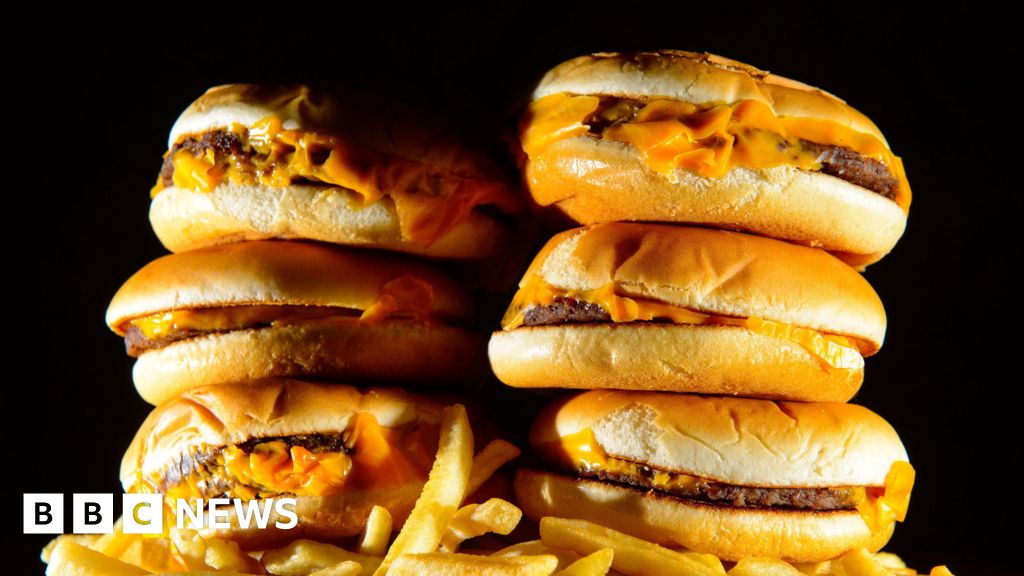
This sweeping UK-wide measure targets products identified as primary contributors to childhood obesity rates, encompassing a broad spectrum of items that have become staples in many households. Categories under scrutiny include, but are not limited to, popular soft drinks, confectionery such as chocolates and sweets, ready-made pizzas, and various forms of ice cream. Beyond these more commonly perceived unhealthy options, the ban’s reach extends to less obvious culprits, such as certain breakfast cereals and porridges laden with added sugars, sweetened bread products, and a range of main meals and sandwiches that fail to meet specific nutritional criteria.
The Food and Drink Federation (FDF), representing a substantial portion of the industry, has publicly affirmed its commitment to fostering healthier eating habits among the population. Demonstrating a proactive stance, the FDF announced that its members have been voluntarily adhering to the new advertising restrictions since October, several months ahead of the official enforcement date. This voluntary compliance underscores the industry’s awareness of the growing public health imperative and its efforts to align with evolving regulatory landscapes.
Central to determining which products fall under the purview of this ban is a meticulously designed scoring tool. This system critically evaluates a product’s overall nutrient levels, balancing beneficial components against its content of saturated fat, salt, and sugar. This nuanced approach ensures that the regulation is applied judiciously, targeting genuinely unhealthy items while allowing for healthier alternatives. For instance, staple breakfast items like plain oats, most porridges, muesli, and granola will generally remain unaffected by the crackdown, providing they maintain their natural nutritional profile. However, variations of these products that incorporate significant amounts of added sugar, chocolate, or syrup are likely to be caught by the new rules, highlighting the emphasis on added unhealthy ingredients.
A key objective behind the government’s approach is not merely to restrict but also to incentivize. By allowing firms to continue promoting healthier versions of otherwise banned products, the policy aims to stimulate innovation within the food industry. The expectation is that this will encourage manufacturers to reformulate existing items or develop entirely new ranges that offer consumers more nutritious choices, ultimately contributing to a healthier food environment. This encourages a shift towards product development that prioritizes public health without stifling market competition entirely.
It is important to note a specific nuance within the regulation: the ban exclusively covers adverts where the unhealthy products themselves are visible to viewers. This distinction means that fast-food firms, while prohibited from directly showcasing their HFSS offerings, will still retain the ability to advertise using their overarching brand name. This provision has sparked debate among public health advocates, with some arguing it presents a potential loophole, as brand recognition alone can drive consumption. Nevertheless, the Advertising Standards Authority (ASA), the independent regulator for advertising across the UK, is tasked with ensuring compliance with these new rules. Firms found in breach of the regulations face potential investigations and sanctions from the ASA, which possesses the authority to demand the removal of non-compliant advertisements and impose penalties.
The impetus for this robust regulatory intervention stems from alarming statistics concerning the nation’s health. Recent data from the NHS reveals a stark reality: almost one in ten (9.2%) reception-aged children, typically aged four or five, are now living with obesity. The problem extends further into early childhood development, with one in five children exhibiting signs of tooth decay by the age of five. These early indicators of poor health are deeply concerning, as childhood obesity is a significant predictor of adult obesity and a host of associated chronic diseases, including Type 2 diabetes, heart disease, certain cancers, and mental health issues, placing a profound burden on individuals and the healthcare system.
The financial ramifications of this public health crisis are immense. It is estimated that obesity-related conditions and their treatment cost the NHS more than £11 billion annually. This staggering figure underscores the urgent need for preventative measures, highlighting how effective public health interventions can alleviate significant pressure on national resources. The evidence base supporting the ban is substantial, consistently demonstrating that children’s exposure to advertisements for unhealthy food products can profoundly influence their dietary preferences and eating behaviours from a very young age. This early exposure, experts argue, directly correlates with an increased risk of children becoming overweight or obese later in life, establishing unhealthy habits that are difficult to break.
The government’s projections are optimistic, estimating that the advertising ban alone will prevent approximately 20,000 cases of childhood obesity. This figure, derived from extensive research and modelling, provides a quantifiable measure of the anticipated positive impact of the policy. The long-term benefits are expected to extend far beyond mere weight reduction, contributing to improved overall health, reduced prevalence of related diseases, and a healthier future for the next generation.
Professor Katherine Brown, a distinguished expert in behaviour change in health at the University of Hertfordshire, lauded the ban, describing it as "long overdue and a move in the right direction." Her assessment underscores a widespread sentiment among public health professionals who have long advocated for stronger protections against the pervasive marketing of unhealthy foods to vulnerable young audiences. Professor Brown emphasized, "Children are highly susceptible to aggressive marketing of unhealthy foods and exposure to them puts them at greater risk of developing obesity and associated chronic diseases." She highlighted the unique cognitive vulnerabilities of children, who often lack the critical thinking skills to discern persuasive advertising tactics, making them particularly susceptible to the allure of high-sugar, high-fat, and high-salt products.
While praising the ban, Professor Brown also articulated a broader call to action, urging the government to make nutritious options "more affordable, accessible and appealing." This perspective highlights that advertising restrictions, while crucial, are just one piece of a larger, multi-faceted puzzle required to comprehensively tackle the obesity epidemic. It suggests the need for integrated policies that address socio-economic determinants of health, such as food poverty, the availability of healthy food in deprived areas, and educational initiatives promoting balanced diets and active lifestyles.
The Food and Drink Federation, in its response, reiterated that manufacturers are "committed to working in partnership with the government and others to help people make healthier choices." The FDF pointed to significant efforts already undertaken by its members, stating that "investing in developing healthier products has been a key priority for food and drink manufacturers for many years." As a testament to these ongoing efforts, the federation noted that its members’ products now contain "a third of the salt and sugar and a quarter of the calories than they did ten years ago." While these industry-led reformulations are commendable, the introduction of the advertising ban signals a governmental belief that further, more decisive intervention is necessary to accelerate the pace of change and adequately protect the health of the nation’s children. This new regulation represents a landmark moment in the ongoing public health discourse, setting a precedent for future interventions aimed at shaping healthier societal norms and consumer behaviours.



 Roy Suryo