
 atisusanti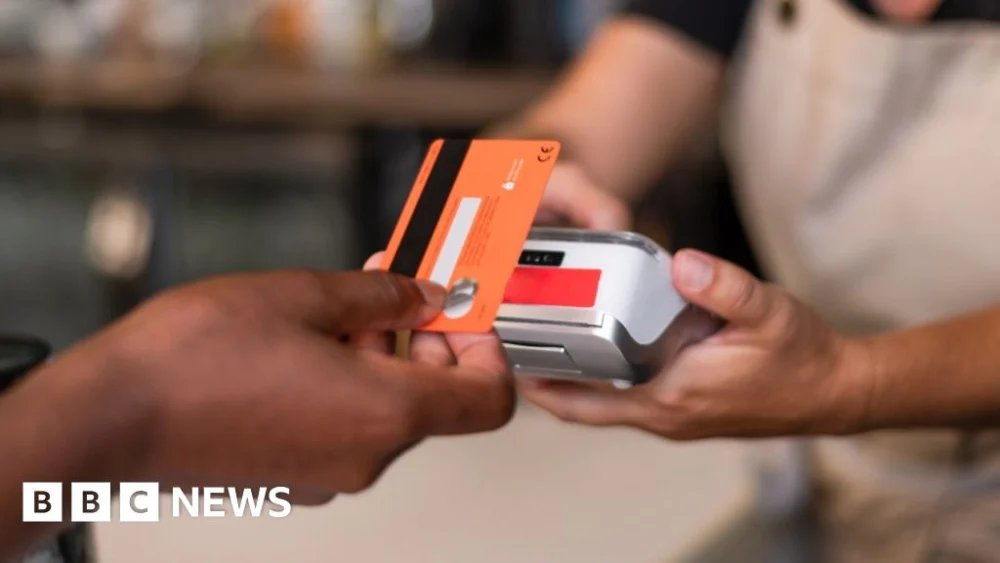
Millions of people will soon have the power to set their own contactless card payment limits, or even opt for unlimited transactions, a significant regulatory shift confirmed by the Financial Conduct Authority (FCA). From March, banks and card providers will be empowered to determine a maximum – or entirely remove – single payment thresholds without the requirement for customers to input a four-digit PIN. This newfound flexibility extends to encouraging cardholders to customise their individual spending limits or disable contactless functionality altogether, a feature already available with some financial institutions. The move arrives despite the FCA’s own comprehensive survey, which indicated a prevailing consumer and industry preference for maintaining the existing £100 contactless limit.
The FCA has clarified that while card providers are not mandated to implement immediate changes from March, they will possess the autonomy to do so. The history of contactless payment limits in the UK reveals a gradual increase since its introduction in 2007 at a modest £10. This limit saw incremental rises to £15 in 2010, £20 in 2012, and £30 in 2015. The unprecedented circumstances of the Covid-19 pandemic prompted a swift elevation to £45 in 2020, followed by the current £100 cap introduced in October 2021. This evolution reflects a societal embrace of digital payments and a response to changing economic conditions.
Intriguingly, while contactless card payments are capped at £100, payments made via smartphones, utilising the same underlying technology, already allow for unlimited spending without PIN entry. This disparity is underpinned by the enhanced security features inherent in smartphones, such as biometric authentication like thumbprints and facial recognition, which offer a robust layer of protection for higher-value transactions. This existing infrastructure for mobile payments may have influenced the regulator’s decision to grant greater flexibility to card providers.
However, the impending relaxation of card limits has ignited concerns regarding potential vulnerabilities to theft and fraud. The prospect of making substantial payments with a simple tap of a card could, critics argue, render physical cards a more attractive target for criminals. Despite these apprehensions, a series of established security protocols are already in place to mitigate risks. For instance, a prompt to enter a PIN is typically triggered after a sequence of consecutive contactless transactions, acting as a deterrent and a safeguard against continuous unauthorised spending.
David Geale, the FCA’s executive director of payments and digital finance, has reassured consumers that robust protections remain in place, emphasizing that individuals would still be reimbursed for any funds lost to fraudulent activity. He highlighted the widespread popularity of contactless payments, stating, "Contactless is people’s favoured way to pay." Speaking on the BBC’s Today programme, Geale elaborated on the rationale behind the regulatory adjustment, explaining that while the current system functions effectively, rigid limits can potentially impede transaction flow and convenience.
"So what we want to do is give banks and payment firms greater flexibility to set their own approach to contactless payment, where they see low risk of fraud," Geale articulated. He further explained that this would translate into banks and payment companies having the discretion to tailor limits based on their customer base and risk assessments. "But what we’re really encouraging is that they’ll open up that flexibility for customers to set their own limits," he added, underscoring the emphasis on consumer control. This approach aligns with international practices, as countries like Canada, Australia, and New Zealand already permit their respective industries to establish contactless card limits.
Jana Mackintosh, managing director of payments and innovation at UK Finance, an organisation representing the banking sector, echoed this sentiment of cautious optimism. "Any changes made in the future will be done carefully and ensure strong security and fraud controls remain in place," she assured, indicating that the industry is committed to responsible implementation.
Despite the regulator’s move towards increased flexibility, the FCA’s own consultation survey revealed a significant consumer resistance to altering the existing payment limits. A substantial 78% of responding consumers expressed no desire for any change to the current £100 cap. This sentiment is echoed by some academics and consumer advocacy groups, who have voiced concerns that the enhanced convenience of unlimited contactless payments could inadvertently encourage impulsive spending habits. This is particularly pertinent for credit cards, where the ease of spending borrowed money could lead to the accumulation of unmanageable debt.
Beyond individual financial well-being, charities focused on combating financial abuse have raised serious alarms. They warn that the absence of clear limits on contactless spending could empower abusers by granting them unfettered access to drain a survivor’s bank account without triggering immediate alerts or requiring PIN verification. Furthermore, these organisations are apprehensive that the move could accelerate the societal shift towards a cashless economy. This transition poses a significant threat to financial abuse survivors who rely on cash as a lifeline; their card transactions are often monitored online by their abusers, making cash a vital tool for maintaining financial independence and privacy.
In a related development aimed at supporting vulnerable customers and ensuring access to cash amidst the ongoing closure of bank branches, the establishment of shared banking hubs is gaining momentum. Cash Access UK, an organisation dedicated to preserving access to cash across the nation, recently announced the official opening of its 200th banking hub in Billericay, Essex. This initiative represents a tangible effort to counterbalance the move towards digital-only transactions by providing vital physical banking services in communities that might otherwise be underserved. The continued importance of cash access, particularly for those most vulnerable, stands in contrast to the increasing reliance on digital payment methods.
The regulatory decision to lift the contactless card limit, while offering potential convenience and efficiency, is a complex one, balancing technological advancement with consumer protection and societal impact. The coming months will be crucial in observing how banks and card providers implement these new flexibilities and how consumers adapt to a landscape where their contactless spending power may soon be unbound by a fixed, universal cap. The emphasis on customer-defined limits and robust security protocols will be paramount in ensuring this evolution of payment systems serves to enhance, rather than compromise, financial safety and well-being. The ongoing dialogue between regulators, financial institutions, and consumer groups will undoubtedly shape the future of contactless payments in the UK.



 Nakalama John
 Ramos Leo
 Roy Suryo
 Nana Banana
 George Anjay