George Anjay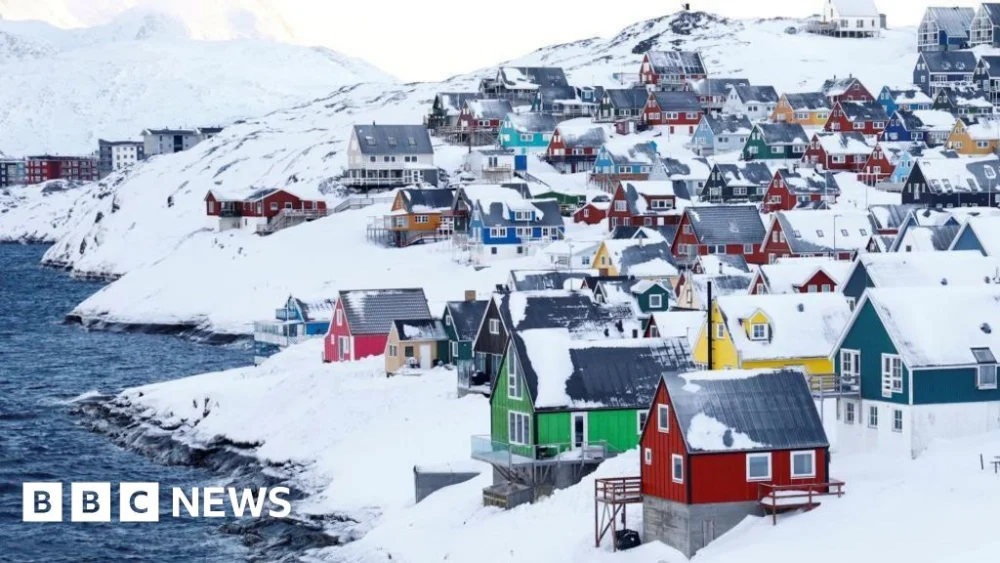
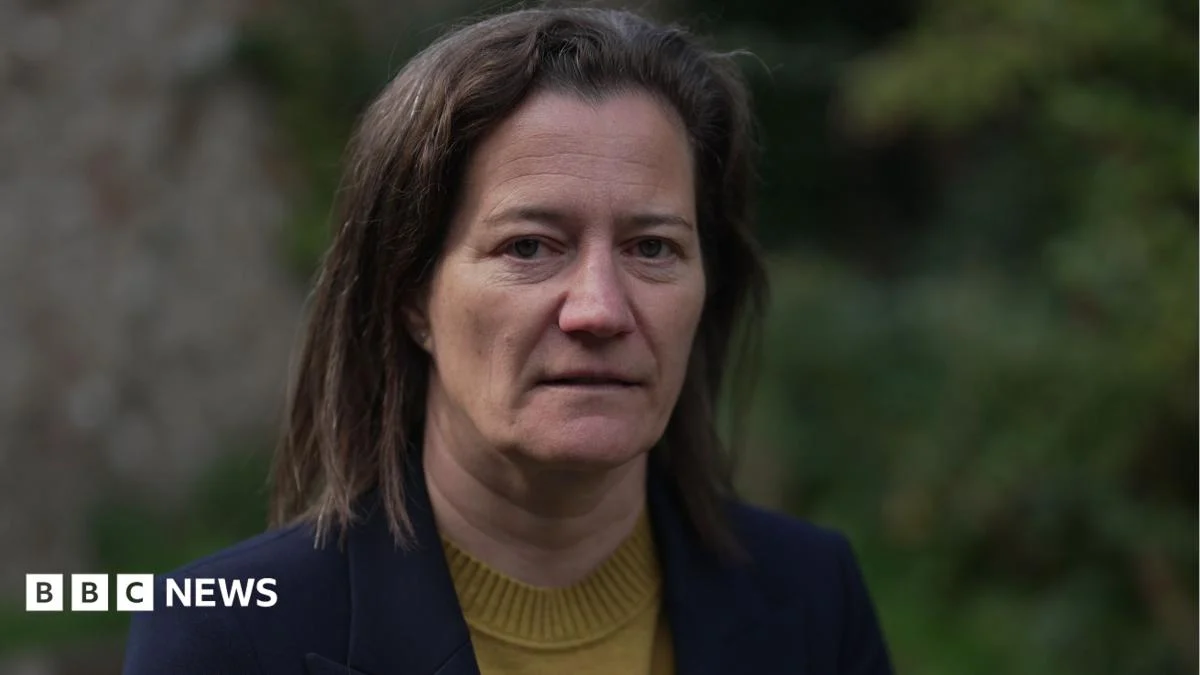
Denmark’s Prime Minister Mette Frederiksen has issued a stern and unequivocal rebuke to United States President Donald Trump, demanding he cease his "threats" regarding the potential acquisition of Greenland. In a forceful statement that underscored Greenland’s sovereignty and its deep ties to Denmark, Frederiksen declared, "it makes absolutely no sense to talk about the need for the United States to take over Greenland." She unequivocally stated, "The US has no right to annex any of the three nations in the Danish kingdom," thereby including Greenland, the Faroe Islands, and Denmark itself within a single, indivisible sovereign entity.
This direct confrontation follows a provocative tweet from Katie Miller, the wife of a senior Trump aide, Stephen Miller. Miller, a notable right-wing podcaster and former Trump administration official, shared a map of Greenland superimposed with the American flag, accompanied by the ominous caption "SOON." This act, perceived as a clear signal of intent and a deliberate escalation, further fueled Frederiksen’s resolve to address the matter with unvarnished directness. President Trump himself has repeatedly voiced his interest in Greenland, citing its immense strategic importance due to its Arctic location and its vast, largely untapped mineral resources, which are increasingly vital for advanced technological sectors.
Frederiksen’s statement, officially posted on the Danish government’s website, was framed as a direct address to the United States. She emphasized Denmark’s status as a committed member of NATO, a military alliance that guarantees the security of all its members. Furthermore, she highlighted the existing defense agreement between Denmark and the United States, which already grants the US access to Greenland’s strategic facilities. Frederiksen also pointed to Denmark’s recent increase in its security investments in the Arctic region, signaling a proactive approach to regional stability and defense. "I would therefore strongly urge the United States to stop the threats against a historically close ally and against another country and another people who have very clearly said that they are not for sale," she asserted, her words resonating with a firm defense of national and territorial integrity.
Prior to Frederiksen’s decisive statement, the Danish ambassador to the United States had already responded to Katie Miller’s tweet. The ambassador posted a "friendly reminder" on social media, emphasizing the long-standing alliance between Denmark and the United States and stating that Denmark expected respect for its territorial integrity. This diplomatic response, while polite, carried an underlying message of defiance and a clear rejection of any notion of Greenland being subject to external claims.
The current diplomatic spat unfolds in the shadow of a recent, large-scale US military operation in Venezuela. On Saturday, the United States conducted a significant operation that resulted in the capture of Venezuelan President Nicolas Maduro and his wife, who were subsequently transported to New York. Following this operation, President Trump declared that the US would "run" Venezuela and that American oil companies would soon "start making money for the country." This assertive rhetoric and decisive action in Venezuela may have emboldened Trump’s approach to Greenland, showcasing a willingness to pursue strategic objectives through forceful means.
The US president’s fascination with Greenland is not a new development. Trump has previously refused to rule out the possibility of using force to secure control of the vast Arctic island. His rationale consistently centers on the island’s critical strategic location, which offers significant military and geopolitical advantages in the rapidly changing Arctic landscape. Moreover, Greenland’s rich endowment of minerals essential for high-tech industries, such as rare earth elements, is a key driver of US interest, particularly in the context of global supply chain security and competition. The Trump administration’s earlier decision to appoint a special envoy specifically for Greenland had already generated considerable anger and consternation in Denmark, signaling a more active US engagement with the territory that was viewed with suspicion by Copenhagen.
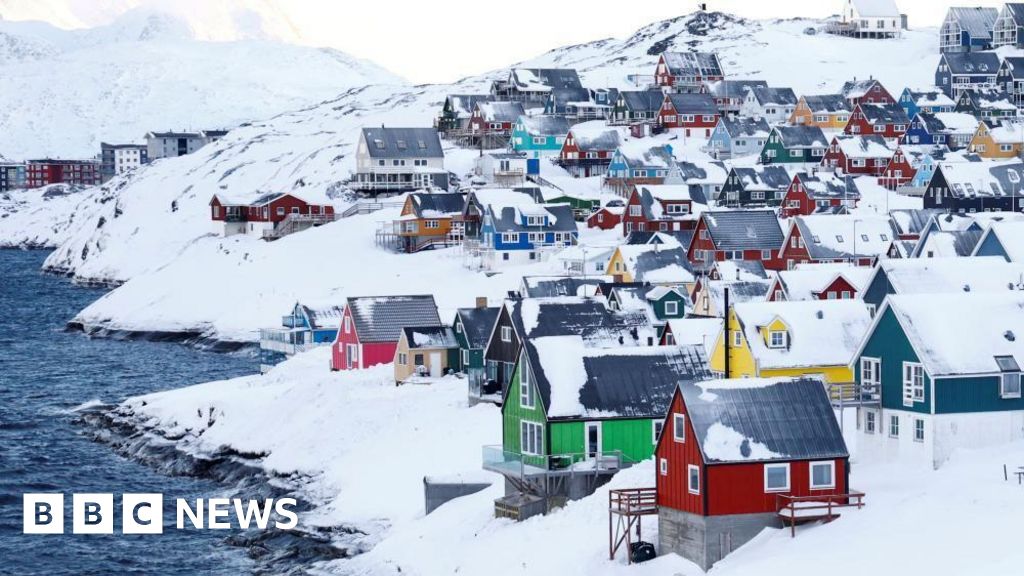
Greenland, a self-governing territory within the Kingdom of Denmark, is home to approximately 57,000 people. Since 1979, it has enjoyed extensive self-government, though Denmark retains responsibility for its defense and foreign policy. While the majority of Greenlanders aspire to eventual independence from Denmark, public opinion polls consistently reveal overwhelming opposition to becoming part of the United States. The prospect of annexation by the US is viewed with deep skepticism and concern by the local population, who fear a loss of cultural identity and political autonomy.
The geopolitical landscape of the Arctic is increasingly becoming a focal point of international attention due to climate change, which is opening up new shipping routes and access to previously inaccessible resources. Greenland, with its strategic position and natural wealth, is at the forefront of these developments. The United States, recognizing the burgeoning importance of the region, has sought to bolster its influence and secure its interests. However, President Trump’s direct approach, characterized by "threats" and a transactional view of territory, has been met with strong resistance from Denmark and Greenland, underscoring the complexities of sovereignty, alliance, and national interest in the 21st century.
The Danish government’s firm stance highlights a broader principle: that sovereign nations cannot be bought or coerced. Prime Minister Frederiksen’s clear message to President Trump serves as a stark reminder that international relations are built on mutual respect and adherence to established norms, not on imperial ambitions or perceived strategic imperatives. The incident underscores the enduring importance of diplomacy and the unwavering commitment of nations to protect their territorial integrity and the right of their people to self-determination. The future of Greenland’s relationship with both Denmark and the United States will undoubtedly continue to be a significant factor in Arctic geopolitics, and the current exchange serves as a critical juncture in that ongoing narrative. The island nation, with its unique heritage and strategic significance, remains a potent symbol of the delicate balance of power and the enduring pursuit of sovereignty in a world increasingly shaped by global competition and shifting alliances.


 Roy Suryo