Nana Banana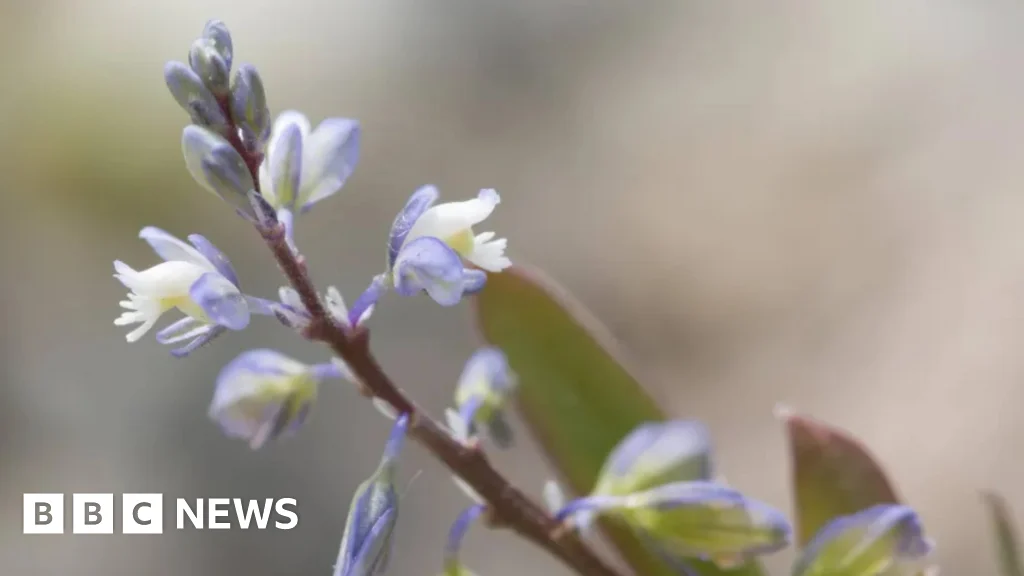
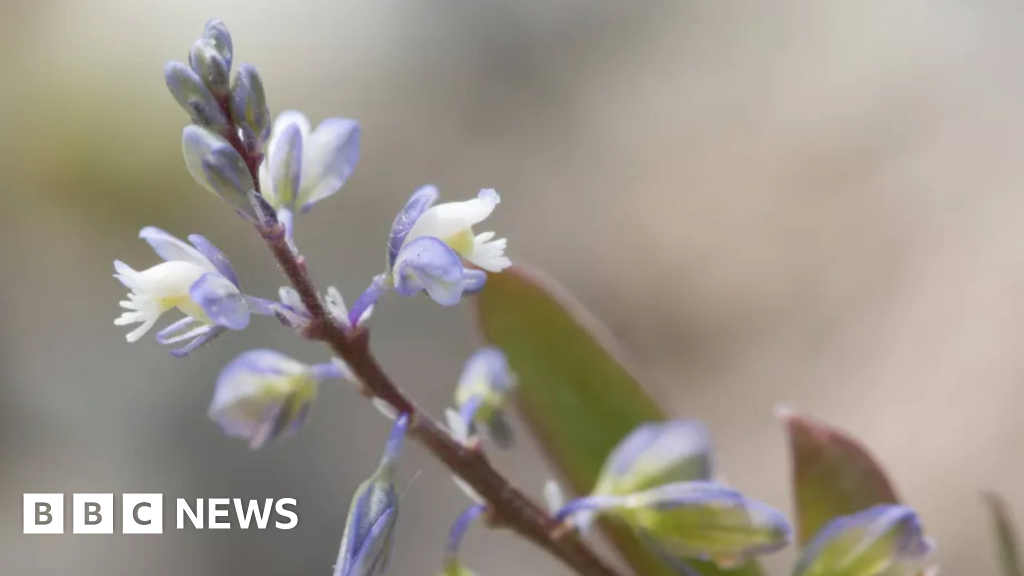
A remarkable seven-fold increase in the population of the Kentish milkwort (Polygala calcarea), a delicate and distinctive native plant, is being celebrated by a coalition of conservationists, marking a triumphant return from the very precipice of oblivion. Experts from the Kent Wildlife Trust, who have spearheaded this critical conservation initiative, announced the discovery of 1,245 self-sown plants at Queendown Warren, a vital chalk grassland nature reserve near Sittingbourne. This figure represents not only the largest known population of the species in the United Kingdom but also a resounding success for dedicated, long-term conservation efforts that began when the plant was staring down extinction’s barrel just over a decade ago.
The Kentish milkwort, characterized by its vibrant purple-blue flowers with distinctive yellow anthers, is a perennial herb typically found in nutrient-poor, species-rich chalk grasslands. Its specific habitat requirements – open, disturbed ground and low competition from more vigorous plants – make it particularly vulnerable to changes in land management. Historically, the plant thrived across parts of northern England and Kent, but by 2013, its numbers had dwindled dramatically, with only a handful of individuals clinging on across just three isolated sites in Kent. This precarious situation prompted urgent intervention, recognizing that the loss of even a single native species diminishes the biodiversity and resilience of the entire ecosystem.
The comprehensive conservation project is a testament to collaborative dedication, bringing together the expertise of the Kent Wildlife Trust, The Species Recovery Trust, the Royal Botanic Gardens, Kew, and a vital network of local volunteers. Each partner played a crucial role in piecing together the strategy that would ultimately lead to this remarkable recovery. The Kent Wildlife Trust provided the on-the-ground management and strategic oversight, leveraging their deep understanding of local ecosystems and land management practices. The Species Recovery Trust contributed specialist botanical knowledge and a focus on bringing threatened species back from the brink, sharing invaluable experience from similar projects across the country.
The Royal Botanic Gardens, Kew, particularly through its Millennium Seed Bank at Wakehurst, proved instrumental in safeguarding the genetic future of the Kentish milkwort. In 2013, when the species’ outlook was bleakest, seeds were meticulously collected from the strongest surviving plants. This careful collection was critical, ensuring that the genetic diversity of the dwindling wild population was preserved without placing additional stress on the few remaining individuals. These precious seeds were then stored under optimal conditions at Kew, creating a secure ex-situ conservation ‘ark’ – a vital insurance policy against total extinction and a source for future reintroduction efforts. This seed banking process involves careful drying and freezing to extend viability for decades, or even centuries, a cornerstone of modern plant conservation.
Between 2018 and 2019, with the secure seed stock established, the project moved into its active reintroduction phase. Further seed collections were undertaken, and these seeds were then germinated and cultivated in controlled environments, allowing for the production of a robust stock of young plants ready for translocation. This delicate process involved careful propagation, nurturing the vulnerable seedlings until they were strong enough to withstand the challenges of a wild environment. These cultivated plants formed the basis of the initial reintroduction trials at Queendown Warren, a site chosen for its ideal chalk grassland conditions and the Kent Wildlife Trust’s ability to manage it effectively.
The initial reintroduction efforts at Queendown Warren proved highly successful. Area warden Rob Pennington highlighted the "incredible" seven-fold increase, emphasizing that the 1,245 plants recorded are predominantly self-sown. This detail is particularly significant, as it indicates that the reintroduced plants are not merely surviving but are actively reproducing and establishing new generations naturally within the reserve. This self-sustaining growth suggests that the habitat conditions at Queendown Warren are now highly favourable, allowing the Kentish milkwort to complete its life cycle unaided – a true marker of conservation success. The caption from an earlier image mentioned 160 plants growing in three years during the trial, suggesting the initial reintroduction numbers were significantly lower, making the current count even more impressive and indicative of robust natural regeneration.
Queendown Warren itself is a designated Site of Special Scientific Interest (SSSI) and a National Nature Reserve, renowned for its rich chalk grassland flora and fauna. Its unique geology and historical grazing patterns have created a mosaic of habitats, perfect for species like the Kentish milkwort that thrive on short turf and areas of bare ground. The success at this site demonstrates the power of targeted habitat management.
Rob Pennington articulated the ambitious next steps for the project: "We hope the population will continue to spread in the coming years and eventually become a donor site, allowing us to collect seed for future restoration work at other suitable locations." This vision underscores a strategic shift from merely rescuing a species to enabling its widespread recovery. Transforming Queendown Warren into a donor site means that, once the population is robust and self-sustaining enough, its seeds can be harvested for reintroduction to other carefully selected chalk grassland sites across Kent. This approach minimizes the pressure on the original dwindling wild populations, allowing them to recover naturally while simultaneously expanding the species’ overall footprint.
A crucial element of the ongoing management strategy involves an innovative approach to habitat maintenance: the use of pigs at Queendown Warren. Pigs are natural engineers of the landscape, and their rooting behaviour creates patches of disturbed, bare ground. This disturbance is vital for the Kentish milkwort, as it reduces competition from more dominant grasses and provides the ideal conditions for its seeds to germinate and establish. This mimics historical grazing patterns from centuries past, when traditional livestock management naturally created the varied ground conditions that so many native wildflowers require. By reintroducing these natural processes, the Kent Wildlife Trust is not just saving a plant but restoring a vital ecological dynamic.
Looking ahead, the project aims for further introductions to other suitable chalk grassland sites throughout Kent. The careful selection of these new sites will be paramount, requiring detailed ecological surveys to ensure they possess the specific soil conditions, aspect, and management potential necessary for the Kentish milkwort to thrive. The long-term goal is to establish multiple robust and interconnected populations, thereby strengthening the species’ genetic diversity and increasing its resilience against future environmental challenges. This network of populations would significantly de-risk the species’ future, moving it further away from the threat of extinction.
The Kentish milkwort’s resurgence is a powerful symbol of hope in an era dominated by news of biodiversity loss. It demonstrates that with scientific expertise, dedicated partnerships, community involvement, and sustained effort, it is possible to reverse the decline of even the most vulnerable species. Beyond the intrinsic value of saving a unique plant, the recovery of the Kentish milkwort contributes to the overall health and richness of Kent’s chalk grassland ecosystems, which are themselves vital habitats supporting a wealth of other invertebrates, birds, and flora. This success serves as a powerful reminder of the intricate web of life and the profound importance of every strand within it. The ongoing vigilance and adaptive management techniques employed by the Kent Wildlife Trust and its partners will be crucial in ensuring that the Kentish milkwort continues to flourish for generations to come, securing its place as a cherished jewel of the Kentish landscape.




 Nakalama John
 George Anjay
 Ramos Leo
 atisusanti
 Roy Suryo