atisusanti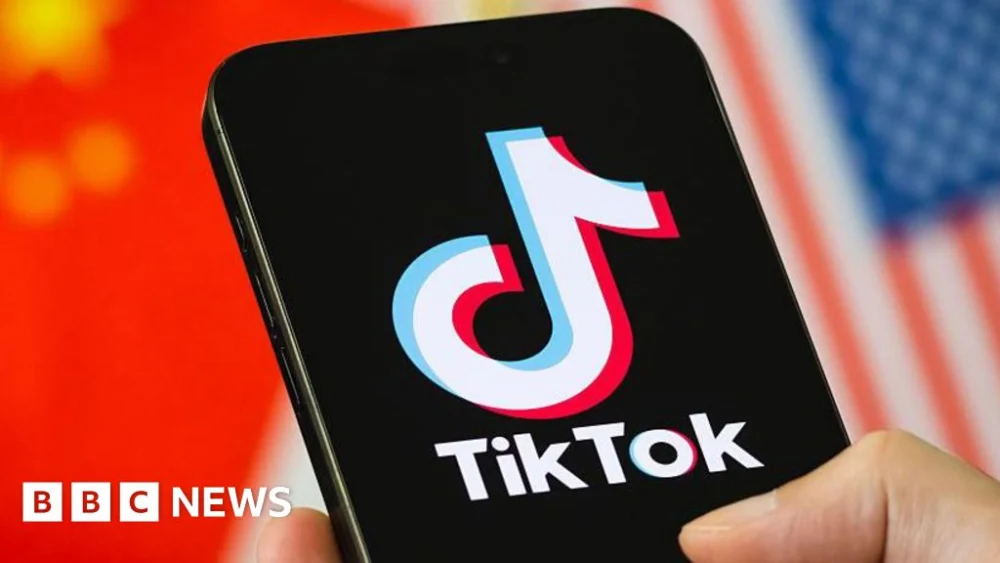
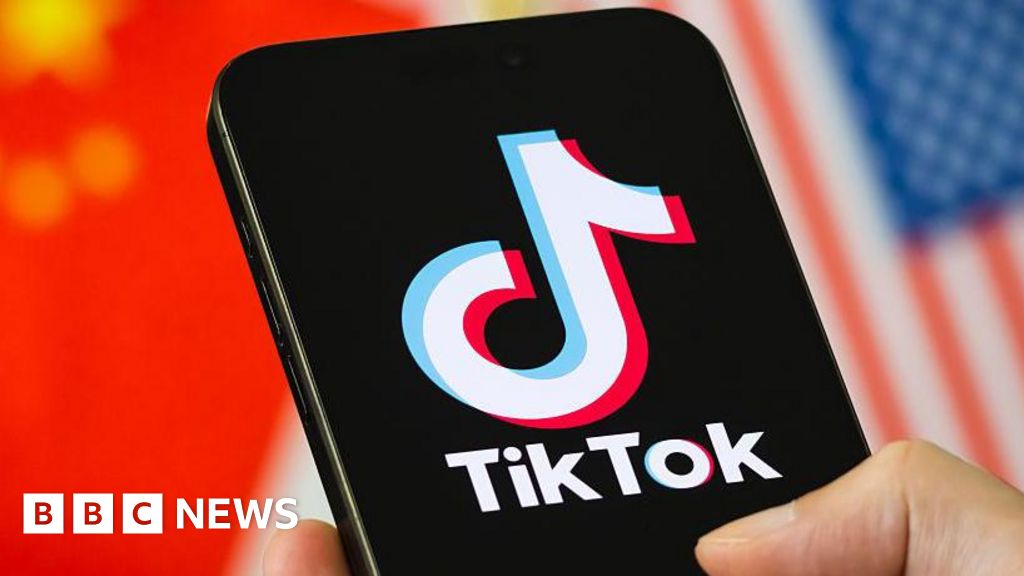
TikTok’s Chinese owner, ByteDance, has reportedly finalized a deal with a consortium of investors to manage its operations within the United States. This landmark agreement, a direct response to mounting pressure from the US government over national security concerns and data privacy, is poised to reshape the experience for the over 170 million Americans who actively use the immensely popular social media platform. The central question on the minds of users, industry analysts, and policymakers alike is not whether TikTok will continue to exist in the US, but rather, what version of TikTok will emerge from this complex transaction, and whether it will retain the distinctive qualities that have propelled it to global dominance.
At the heart of this transformation lies TikTok’s proprietary recommendation algorithm, the sophisticated engine that curates the "For You Page" and has become synonymous with the app’s addictive and personalized user experience. Under the terms of the proposed deal, this powerful algorithm will be licensed to Oracle, a long-standing cloud computing partner of TikTok in the US. This arrangement signifies a critical departure from ByteDance’s complete control, introducing a layer of American oversight and data management. Social media industry expert Matt Navarra articulated the core of this potential shift, suggesting that while the app might become "safer and sturdier," it also risks "becoming less culturally essential."
Navarra elaborated on this concern, highlighting that TikTok’s unique appeal has often stemmed from its ability to surface content that feels slightly unpredictable, niche, and even provocative. This "out-of-control" feeling, where unexpected trends and ideas can rapidly gain traction, has been a defining characteristic of the platform. He posits that if the algorithm is retrained on a more narrowly defined set of American user data, and subjected to increased scrutiny and potential moderation driven by external investor pressures, it could lead to a "smoothing out of the edges." This process, while potentially mitigating risks associated with controversial content, might inadvertently dilute the very essence of what makes TikTok so dynamic and culturally relevant. The fear is that a more sanitized and controlled algorithm could lead to a less experimental, more predictable, and ultimately less captivating user experience.
The extent to which the US version of TikTok will diverge from its global counterpart is also contingent on the pace and completeness of feature integration and platform improvements. Tech journalist Will Guyatt suggests that the US app’s relevance could be impacted if it doesn’t receive the same immediate access to new features, security updates, and overall platform advancements that are rolled out internationally. This could create a lag, making the US app feel like a slightly outdated version of the global platform.
Furthermore, the effectiveness of a "siloed" US algorithm, trained primarily on American user data, is a subject of expert debate. Kokil Jaidka, a computing expert from the National University of Singapore, anticipates that core functionalities like short-form video creation and integrated shopping features, which are not intrinsically tied to the recommendation algorithm, are likely to remain intact. However, she cautions that the algorithm’s capacity to deliver the same level of personalization and rapid adaptation to viral trends might be compromised. If the US algorithm operates with a "partially diluted" or licensed version of its original code, any inherent "blind spots" within the system could become more pronounced. In practical terms, this could translate to a US algorithm that lags in its ability to personalize content, taking longer to identify and amplify emerging trends, thereby diminishing the real-time, hyper-responsive feel that users have come to expect.
The influence of the incoming investors also looms large over the future of TikTok in the US. Oracle, chaired by Larry Ellison, a notable ally of former President Trump, is a key player. Additionally, MGX, an Abu-Dhabi government investment fund, and the private equity firm Silver Lake are set to join as significant investors. The strategic interests and priorities of these entities could exert pressure on TikTok to adopt a more cautious and perhaps "blander" approach to content and user engagement. Navarra speculates that this external pressure might further contribute to the app feeling less daring and more risk-averse.
Ultimately, the success of this new arrangement will be measured not solely by whether users abandon the platform, but by a more nuanced shift in its cultural role. Navarra poses a critical question: "It will be whether TikTok still feels the place the internet goes to experiment – or if it becomes the place it goes to behave." This distinction is crucial. If TikTok transforms from a vibrant hub of creative exploration and unpredictable cultural moments into a more regulated and predictable environment, its unique position in the digital landscape could be irrevocably altered. The deal, while potentially assuaging national security concerns and ensuring TikTok’s continued operation in the US, carries the significant risk of fundamentally changing the app’s identity and diminishing its cultural cachet. The coming months will reveal whether the new structure fosters innovation or enforces conformity, and whether the "For You Page" will continue to surprise and delight, or simply reflect a more constrained and predictable digital reality. The global reach and viral nature of TikTok have been built on a foundation of dynamic data flow and algorithmic agility; any disruption to this delicate ecosystem, even with the best intentions of enhanced security, could have profound and far-reaching consequences for its relevance and appeal among American users. The intricate dance between ByteDance, Oracle, and the US government will determine if TikTok can find a sustainable balance between security and its inherent spirit of digital spontaneity.



 George Anjay
 Nakalama John
 Ramos Leo
 Nana Banana