
 Roy Suryo
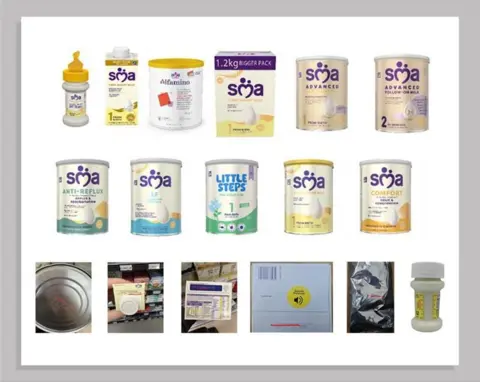
Nestle, the world’s largest food and drink company, has initiated a significant global recall of specific batches of its infant and follow-on formula products due to concerns over the potential presence of cereulide, a toxin that can lead to food poisoning. The precautionary measure affects various brands under the Nestle umbrella, including SMA, Guigoz, Nidal, Beba, and Alfamino, with distribution spanning numerous countries across Europe and potentially beyond. While Nestle has stated there have been no confirmed reports of illness linked to these products, the company emphasized its unwavering commitment to infant safety and well-being, prompting the voluntary recall "out of an abundance of caution."
The detected toxin, cereulide, is a byproduct of certain strains of the Bacillus cereus bacteria. This potent toxin is known to cause rapid onset of gastrointestinal distress, including nausea, vomiting, and stomach cramps. Crucially, health authorities have warned that cereulide is remarkably resilient and is unlikely to be neutralized or destroyed by common preparation methods such as boiling water or standard cooking processes. This resilience underscores the seriousness of the recall and the importance of immediate action to prevent potential exposure to vulnerable infants.

Nestle has issued a sincere apology to parents, caregivers, and customers for any distress or inconvenience caused by this recall. The company has confirmed that the issue stems from an ingredient supplied by one of its third-party suppliers, indicating a breakdown in the supply chain that is now being thoroughly investigated. Nestle has pledged to provide full refunds to all customers affected by the recall.
In the United Kingdom, specific batch numbers for the affected SMA infant formula and follow-on formula products can be found on Nestle’s official UK website. Consumers are also directed to the Food Standards Agency (FSA) website, food.gov.uk, for detailed information. Customers are advised to meticulously check the packaging of their purchased formula. For powdered formulas, the relevant batch code will be located on the base of the tin or box. For ready-to-feed formulas, the code can be found on the base of the outer box and on the side or top of the individual container.
The recall has prompted swift action from regulatory bodies. Jane Rawling, head of incidents at the FSA, has urged parents, guardians, and caregivers to immediately cease feeding the affected products to infants and young children. She reassured the public that stringent measures are being taken to ensure all recalled products are promptly removed from sale as a precautionary measure. For parents who have already administered the affected product and have concerns about potential health impacts on their baby, seeking professional medical advice is paramount. This can be done by contacting their General Practitioner (GP) or calling the NHS 111 service for guidance.

The geographical scope of the recall is extensive. Nestle France has confirmed its participation in a "preventive and voluntary recall" of specific batches of its Guigoz and Nidal infant formulas. Similarly, in Germany, the affected products are identified under the brand names Beba and Alfamino. While the initial reports highlight European countries such as France, Germany, Austria, Denmark, Italy, and Sweden, the "global recall" designation suggests that the issue may extend to other international markets. Nestle has stated that all other Nestle products, as well as unaffected batches of the same product lines, are safe for consumption.
The presence of cereulide in infant formula is a particularly grave concern, given that infants have underdeveloped immune systems and are highly susceptible to the adverse effects of foodborne toxins. The rapid onset of symptoms associated with cereulide poisoning can be alarming for parents, and the difficulty in eliminating the toxin through preparation methods adds another layer of risk. This situation underscores the critical importance of rigorous quality control and stringent testing protocols throughout the entire food production and supply chain, especially for products intended for the most vulnerable consumers.
The incident also highlights the interconnectedness of the global food industry. A single point of failure in the supply chain, such as a contaminated ingredient from a third-party supplier, can have far-reaching consequences, necessitating a coordinated international response. Nestle’s decision to issue a global recall demonstrates a commitment to transparency and a proactive approach to mitigating potential harm. However, it also raises questions about the oversight and auditing processes in place for ingredient suppliers to major multinational corporations.
Consumer trust in infant formula is paramount, and incidents like this can erode that confidence. The long-term implications for the brands involved and for the infant formula market as a whole will depend on Nestle’s ability to thoroughly investigate the root cause, implement robust corrective actions, and effectively communicate its efforts to reassure consumers. The company’s emphasis on prioritizing the safety and well-being of babies is a crucial message, and its commitment to providing refunds and addressing customer concerns will be vital in rebuilding trust.
The Food Standards Agency’s warning about the heat resistance of cereulide is particularly concerning for parents who rely on boiling water to sterilize bottles and prepare formula. This means that even if the preparation process is followed correctly, the toxin may still be present in the final product. This emphasizes the need for parents to be vigilant in identifying and discarding affected batches, and to rely on official guidance for safe alternatives.
The recall serves as a stark reminder of the potential risks associated with food production and the importance of robust regulatory oversight. While the immediate focus is on ensuring the safety of infants, further investigation into the supply chain practices and quality control measures that allowed this contamination to occur will be essential to prevent future occurrences. The company’s swift and comprehensive response, coupled with clear guidance from regulatory bodies, is crucial in navigating this challenging situation and safeguarding public health. The ongoing efforts to identify and remove all affected products from the market are a testament to the seriousness with which this issue is being treated by both Nestle and the relevant food safety authorities.




 Nakalama John
 atisusanti
 Ramos Leo
