
 Roy Suryo
A groundbreaking NHS online hospital service, set to launch across England in 2027, will initially target nine specific health conditions, with a particular emphasis on menopause, prostate health, and eye conditions. This innovative digital initiative, first announced in September, aims to revolutionize patient care by offering a comprehensive suite of services, including initial assessments, follow-up appointments, and specialist consultations, all accessible through the existing NHS app. The ambitious project anticipates conducting an impressive 8.5 million appointments within its first three years of operation, a volume four times greater than the average NHS trust, potentially alleviating significant pressure on the healthcare system. However, the practicalities of staffing and funding such a large-scale digital operation remain key areas of discussion and concern among health experts.
The nine conditions selected for the initial rollout of the online hospital service are:
- Menopause: Providing accessible support and treatment for women experiencing menopausal symptoms.
- Prostate Conditions: Offering a streamlined pathway for diagnosis and management of prostate-related issues.
- Eye Conditions: Focusing on a range of ophthalmological concerns, from routine checks to ongoing management.
- Asthma: Enabling remote monitoring and management of asthma patients.
- Diabetes: Facilitating online consultations and support for individuals living with diabetes.
- Chronic Obstructive Pulmonary Disease (COPD): Offering digital solutions for managing this respiratory condition.
- Eczema: Providing virtual care and advice for patients with eczema.
- Weight Management: Delivering online support and guidance for individuals seeking to manage their weight.
- Gastrointestinal issues: Addressing a range of digestive health concerns through digital platforms.
This curated list is expected to expand over time, incorporating more conditions as the service matures and its capabilities are further developed. Crucially, NHS England has emphasized that no patient will be compelled to use the online service, with the option for traditional face-to-face appointments remaining readily available. Patients will be presented with the choice of engaging with NHS Online when their GP refers them for specialist care. Rather than being tied to a physical location, individuals will be able to receive care from a dispersed team of doctors located anywhere in England, with all interactions facilitated through the NHS App.
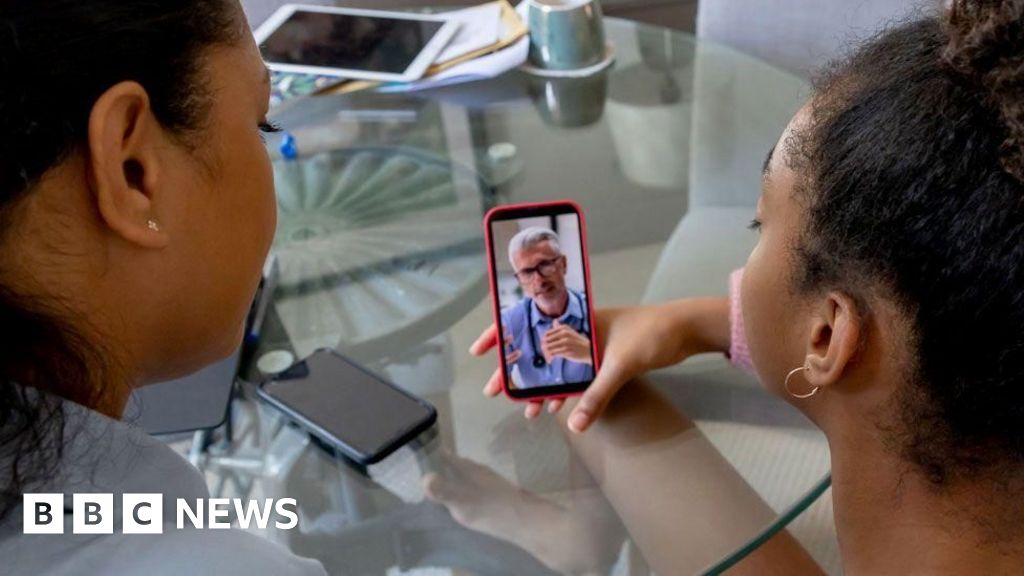
The logistical framework of the online hospital is designed for patient convenience. While consultations and assessments will be conducted digitally, any necessary tests, scans, or procedures will be performed at healthcare facilities situated conveniently close to the patient’s home. This hybrid model allows medical professionals to remotely review and analyze patient data, ensuring continuity of care without the need for constant in-person visits. The overarching objective, championed by both the government and NHS England, is to significantly improve patient access to timely healthcare, thereby easing the strain on existing in-person services and contributing to the reduction of lengthy waiting lists.
Health Secretary Wes Streeting expressed strong confidence in the initiative, asserting that its benefits will be far-reaching, even for those who do not directly utilize the online platform. He explained that by enabling individuals to opt for virtual appointments, the service will free up valuable appointment slots for patients who require or prefer face-to-face consultations, ultimately benefiting the entire patient population. Professor Stella Vig, head of elective care at NHS England, highlighted the transformative potential of the new online hospital, describing it as a "huge shift in the way we deliver care." She underscored the significant positive impact that faster, more convenient access to diagnosis and treatment will have on individuals grappling with challenging and often painful conditions like menopause and prostate issues.
While the concept of digital healthcare and remote consultations is not entirely new to the NHS, this comprehensive online hospital represents a significant escalation and integration of these capabilities. Patients are already accustomed to accessing test results and participating in online appointments through the NHS app. However, this new service aims to provide a seamless, end-to-end digital journey for a defined set of conditions, building upon the successes of various pilot programs that have demonstrated the efficacy of virtual care models.
For instance, University Hospital Southampton has successfully implemented a virtual follow-up service for low-risk inflammatory bowel disease patients. This initiative allowed individuals to receive care and support remotely during flare-ups, leading to a substantial reduction in the need for routine in-person appointments. The trust reported that three-quarters of patients were managed virtually, with the program credited for a remarkable 58% decrease in waiting times. Similarly, Moorfields Eye Hospital in London has introduced a virtual system for managing non-emergency eye referrals. This program has proven highly effective, with over half of referred patients being treated in routine clinics without requiring the specialized attention at Moorfields, thereby optimizing resource allocation and improving patient flow.
Peter Thomas, a consultant at Moorfields Eye Hospital, attested to the tangible benefits of such systems, stating, "The impact is clear – patients are being seen more quickly in more appropriate settings, and the pressure on NHS services is being reduced." Dr. Becks Fisher, from the Nuffield Trust think tank, acknowledged the potential of the online hospital, particularly its focus on menopause and menstrual health, which she noted is a sensible approach given the persistent long waiting lists for gynaecology services. However, she also raised pertinent "tricky questions" regarding the service’s future, specifically concerning how it will be adequately staffed and funded to meet its ambitious targets.
Furthermore, Dr. Fisher pointed to the existing challenges within NHS IT infrastructure as a potential impediment. She highlighted the critical need for the system to facilitate the seamless sharing of relevant patient information, such as scan results, across different NHS organizations. This interoperability, she cautioned, remains a notoriously difficult hurdle to overcome within the current digital landscape of the NHS. The success of the online hospital will therefore be contingent not only on its innovative service delivery model but also on its ability to integrate effectively with the broader, and often fragmented, digital ecosystem of the National Health Service. The ambition is clear: to leverage technology to deliver more accessible, efficient, and patient-centred care, but the path to achieving this vision is paved with both opportunity and significant operational challenges that must be thoughtfully addressed.




 Nakalama John
 atisusanti
 Ramos Leo
