
 George Anjay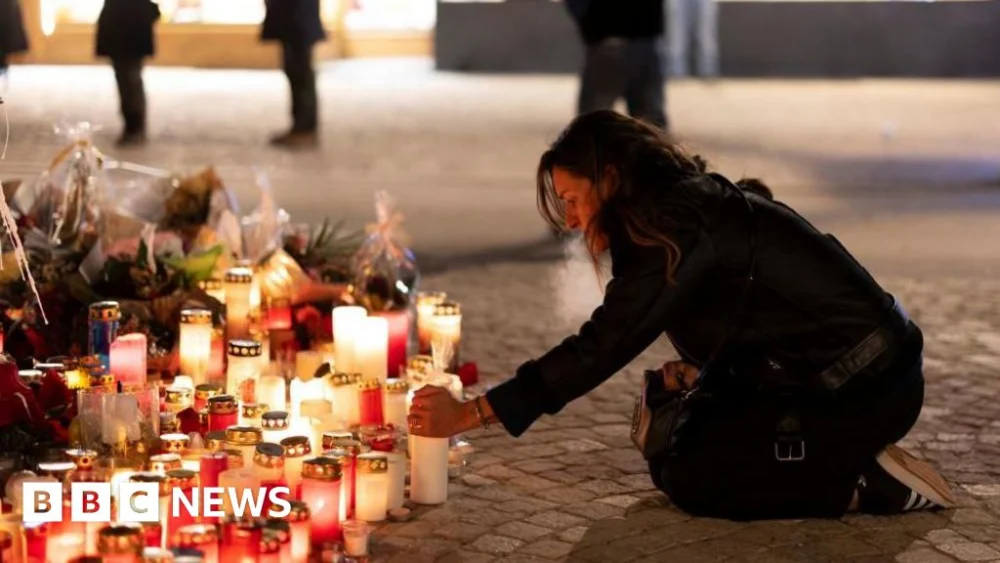
In a devastating revelation that has sent shockwaves through the close-knit Alpine community of Crans-Montana, it has emerged that Le Constellation bar, the site of a horrific New Year’s Day fire that claimed the lives of 40 people and left 116 injured, had not undergone a mandatory safety inspection for a staggering five years. The admission, made by the mayor of Crans-Montana, Nicolas Feraud, at a sombre press conference on Tuesday, has ignited fury and sorrow, leaving families of the victims demanding accountability and raising profound questions about the efficacy of local safety oversight in Switzerland’s picturesque ski resorts.
"We regret that – we owe it to the families and we will accept the responsibility," Feraud stated, his voice heavy with emotion, as he addressed the deeply troubling lapse in inspections. The mayor acknowledged that the council was "profoundly sorry" for the oversight, conceding that he could not adequately explain the prolonged absence of a safety check for the popular establishment. This admission comes as investigations into the blaze intensify, with preliminary findings suggesting that sparklers, ignited during New Year’s celebrations, played a catastrophic role in igniting the inferno when raised too close to the bar’s ceiling. In response to this grim understanding, Feraud announced that all types of sparklers would henceforth be strictly banned in local venues, a measure he hoped would prevent future tragedies.
The scale of the failure in routine safety checks is stark. Feraud revealed that a dedicated team of just five individuals is currently tasked with inspecting over 10,000 buildings within the municipality of Crans-Montana. This resource constraint, while acknowledged, does little to assuage the deep-seated concerns about why Le Constellation, a venue frequented by locals and tourists alike, slipped through the regulatory cracks for half a decade. When pressed repeatedly on the reasons behind the five-year inspection gap, Feraud admitted, "I have no answer for you today." He reiterated his profound regret and understanding of the immense pain inflicted upon the bereaved families, stating, "I know how hard that will be for the families." Despite the mounting pressure and the gravity of the situation, Feraud declared he would not be resigning from his post, asserting, "I’m not resigning, no, and I don’t want to." He further indicated that any decision regarding the inclusion of local authority members in a criminal investigation, which has been formally opened by Swiss prosecutors, would ultimately rest with the judiciary.
The New Year’s Day fire at Le Constellation not only exposed a critical failure in regulatory enforcement but also highlighted potential issues with the venue’s adherence to occupancy limits. Reports suggest that the bar was significantly overcrowded at the time of the incident, a responsibility that Feraud placed squarely on the shoulders of the bar’s management. Swiss prosecutors have already placed the two managers of Le Constellation, identified by local media as French couple Jacques and Jessica Moretti, under criminal investigation. They face grave charges including manslaughter by negligence, bodily harm by negligence, and arson by negligence, as stated by the Valais cantonal prosecutor’s office.
Feraud went on to describe the combination of sound-proofing material on the bar’s ceiling and the allowance of sparklers within the venue as "extremely negligent." However, he also alluded to a potential disconnect in how local authorities perceived the risks associated with such materials, suggesting that they had not been viewed as inherently dangerous. This statement raises further questions about the adequacy of training and awareness among those responsible for safety assessments. When questioned about why authorities had not acted upon photographic evidence of sparklers being used close to the bar’s ceiling, images that were reportedly widely circulated on social media and used as promotional material for Le Constellation prior to the fire, Feraud suggested that it was "likely no-one in the council saw the images." This explanation, while potentially true, underscores a disturbing lack of proactive vigilance.
The incident has cast a spotlight on Switzerland’s devolved political system, where cantons are responsible for determining safety regulations, but their implementation falls to local authorities. A significant characteristic of this system is the prevalence of part-time elected councillors, a feature generally lauded by the Swiss for fostering greater accountability to the electorate. However, the devastating events at Le Constellation have ignited a critical debate about the potential shortcomings of this model, particularly when it appears that clear warning signs may not have been adequately followed up. The complex interplay between cantonal mandates and local enforcement, coupled with potential resource limitations and the part-time nature of some official duties, has tragically resulted in a preventable catastrophe.
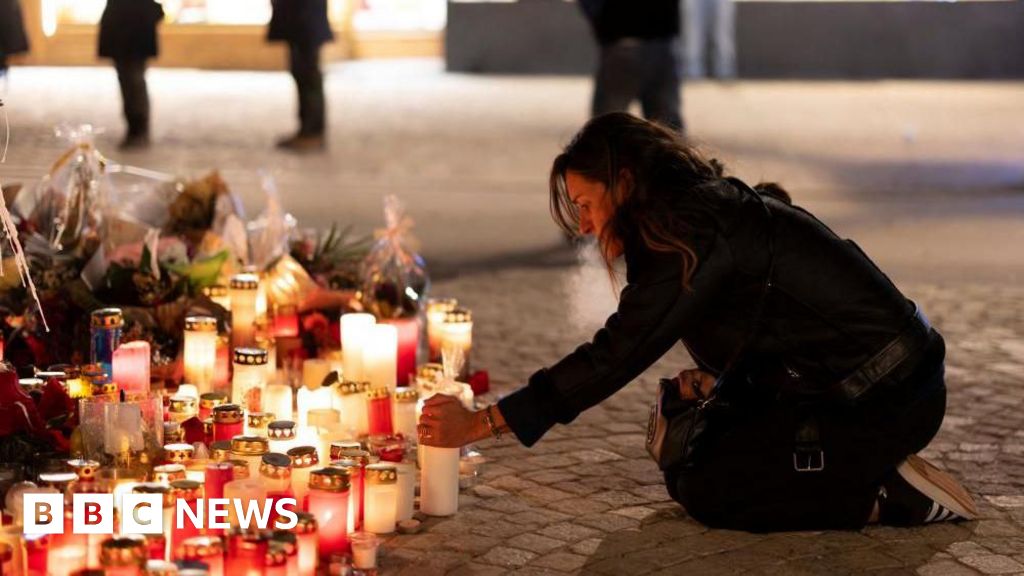
In the wake of the tragedy, local authorities are taking immediate steps to rectify the situation and prevent a recurrence. An external contractor is set to be engaged to conduct a comprehensive inspection and audit of all 128 venues within the Crans-Montana area. This move signifies a commitment to overhauling the current inspection regime and ensuring that all establishments meet the highest safety standards. The community of Crans-Montana, still reeling from the loss and the shocking revelations, is left to grapple with the aftermath and the urgent need for systemic reform. The investigation is ongoing, and it is hoped that it will provide further clarity on the sequence of events leading to the fire and ultimately lead to justice for the victims and their families. The tragic events at Le Constellation serve as a grim reminder of the paramount importance of rigorous and consistent safety inspections, especially in venues that host public gatherings, and the profound consequences when such protocols are neglected. The reliance on part-time officials and the sheer volume of inspections required within a municipality of Crans-Montana’s size present a complex challenge that now demands urgent and effective solutions. The outpouring of grief, evident in the tributes left at the scene, underscores the human cost of regulatory failure, a cost that this picturesque ski resort will undoubtedly bear for a long time to come. The mayor’s apology, while a necessary step, is only the beginning of a long road toward rebuilding trust and ensuring the safety of all who visit and live in this beautiful, but now deeply scarred, part of Switzerland. The future of safety inspections in Crans-Montana, and perhaps the wider Swiss cantonal system, will undoubtedly be scrutinized and reshaped in the shadow of this devastating fire.



 Nakalama John
 atisusanti
 Ramos Leo
 Roy Suryo
 Nana Banana