Ramos Leo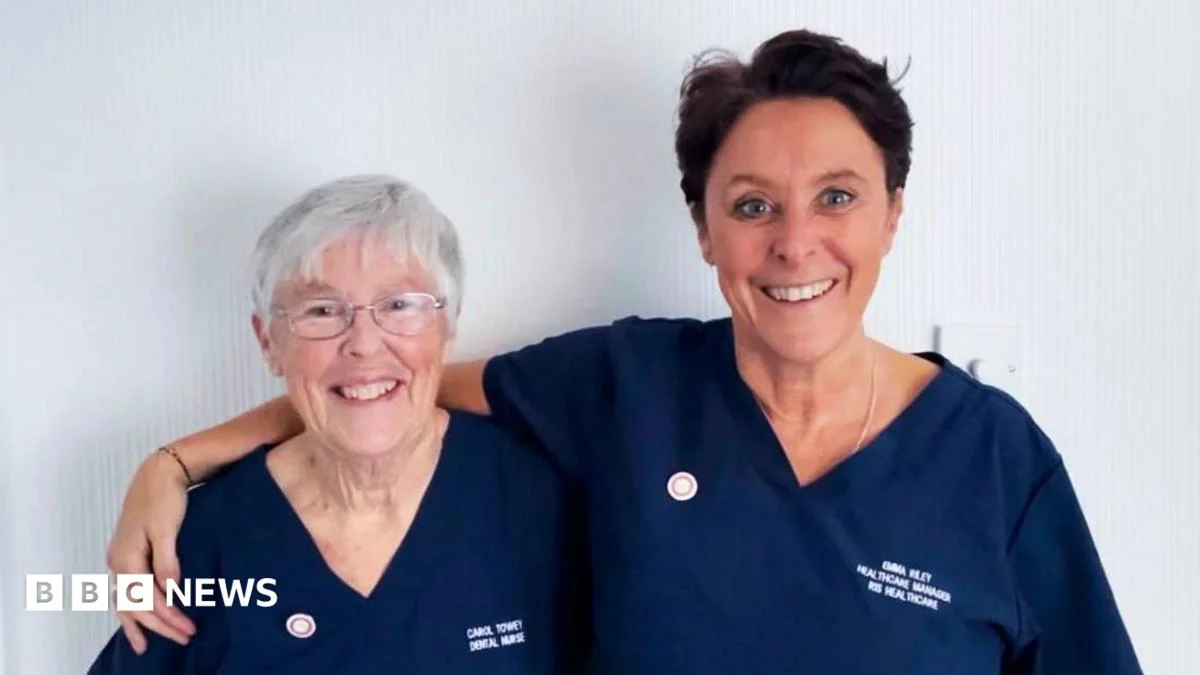
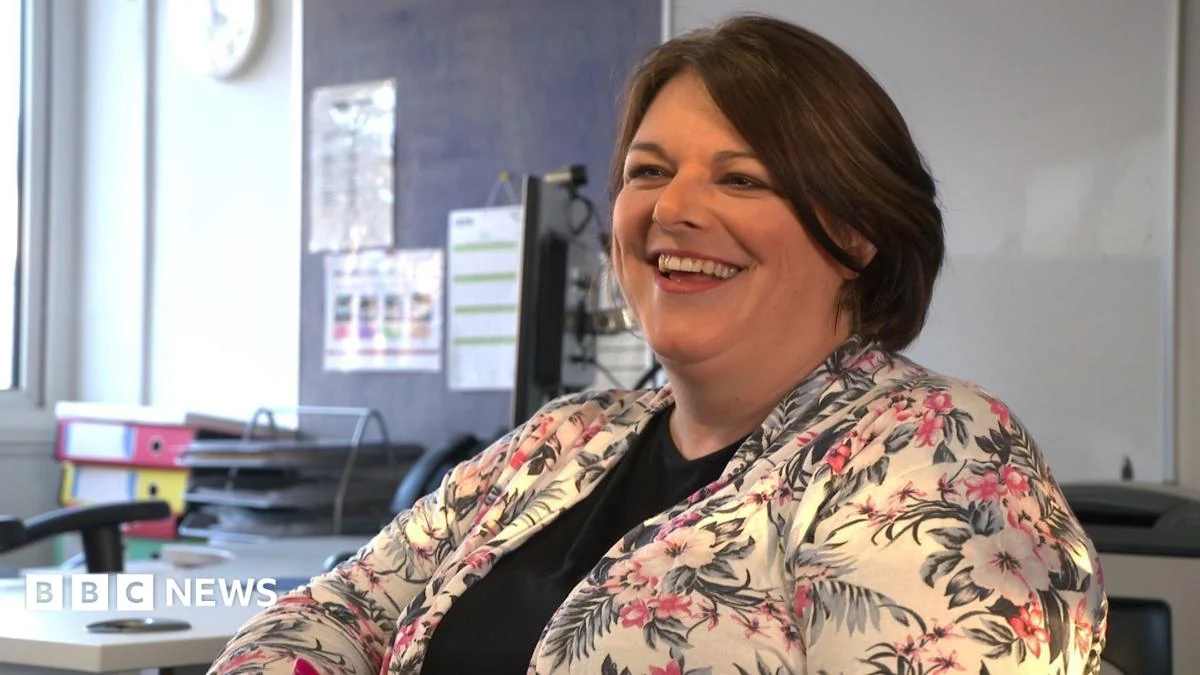
Emma Riley, a dedicated dental nurse from Manchester, embodies the silent strength of an informal carer. For the past 18 months, since the passing of her father, Emma has shouldered the primary care responsibilities for her mother, Carol, who lives with dementia. "She’s a cracking lady, still with a sense of humour but she’s living with this awful condition," Emma recounts, her voice tinged with both love and weariness. The commitment is immense, both personally and financially. Emma currently pays £34 an hour for a care company to provide support three times a week, a sum she describes as a "huge chunk of money," even while acknowledging the quality of care provided. Her profound desire is to keep Carol in the familiar comfort of their family home, a goal that increasingly impacts her own career as a dental nurse. The bureaucratic hurdles have added to her stress; after applying for local council funding at the start of the year, she finds herself, six months later, still awaiting a final decision. "It’s not the social worker’s fault, it is just the caseload," she clarifies, understanding the systemic pressures, yet feeling the personal impact acutely. Her plea is for more transparency and guidance through the opaque system. "I’m blindly going through it at the moment. Every day I’m just winging it but there’s a human being upstairs," she says, highlighting the emotional weight of feeling solely responsible for her mother’s well-being without clear direction. Despite the struggles, a recent speech by the Prime Minister left her "quietly confident." The acceleration of Baroness Casey’s review of social care, now expected next summer, offers a glimmer of hope. "I do think Baroness Casey will make the changes we need," Emma asserts, clinging to the promise of a more responsive and understandable system. Her experience underscores the immense pressure on family carers, many of whom sacrifice their own careers, financial stability, and mental health to provide essential care, often without adequate support or recognition.
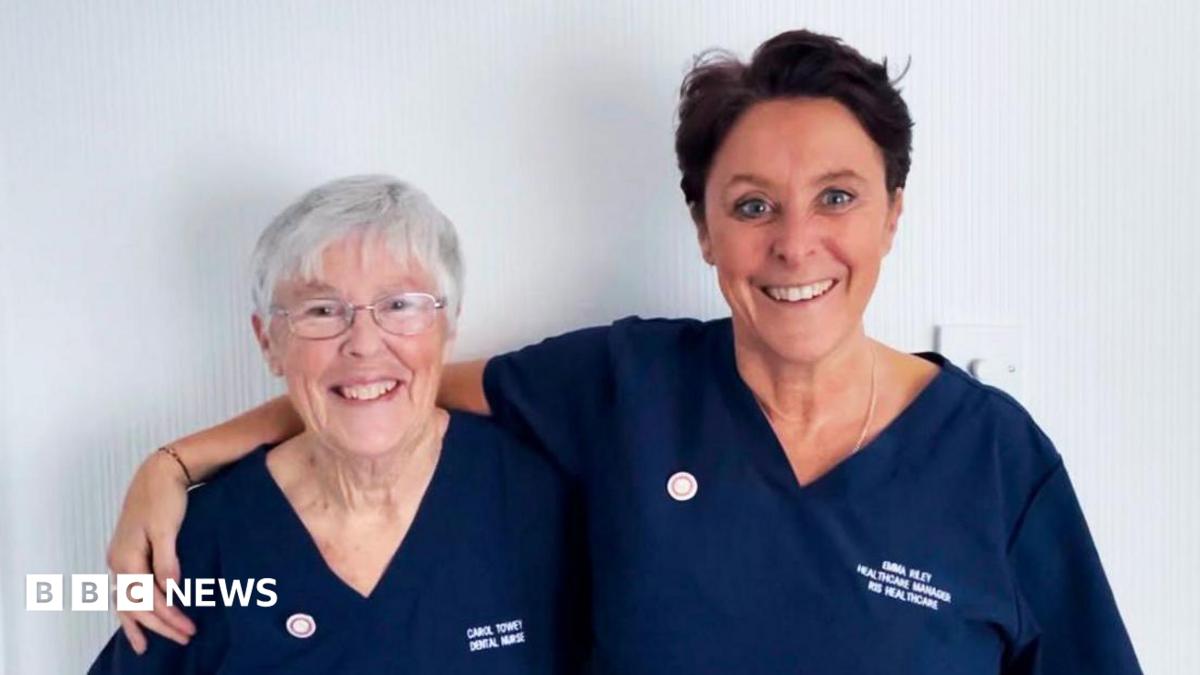
In Halifax, West Yorkshire, Lisa Greenwood and her family face equally "tough decisions" concerning her 90-year-old mother, Mavis. Currently in local respite care, the weekly cost of £1,305 is simply unsustainable for the family. The grim reality they now confront is the prospect of selling Mavis’s home, a situation Lisa describes as "very distressing." This echoes a national concern where a lifetime of saving and property ownership can be rapidly eroded by the exorbitant costs of care. Lisa expresses strong support for the Prime Minister’s commitment to reforming the sector, stating, "It does need changing and hopefully it will get better." Crucially, she backs Andy Burnham’s proposal to increase pay for care staff, believing it is vital for attracting and retaining skilled individuals. "Carers do need to be paid more," she argues. "There are some fantastic people doing the job on little wages." Her parents, she explains, "worked all their lives saving for the future," a future that now feels precarious. "Yet here we are in a situation of stress not knowing how we are going to continue with mum in the home. We can’t give up our jobs, we need to work to pay our bills." Lisa’s narrative highlights the fundamental injustice many families feel: that after contributing to society and saving diligently, they are left to shoulder overwhelming care costs that threaten their financial security and ability to work.
Sophie Daniels, now 18, experienced the harsh realities of inadequate social care at a tender age. Her father, Stephen, died in 2024 from stage 4 glioblastoma, a highly aggressive brain tumour, when Sophie was just 16. The family’s journey through his illness was made immeasurably harder by the "incredibly limited" social care provision available. Alongside her mother and sister, Sophie became a primary carer for her father at their Swindon, Wiltshire home, a role that demanded immense emotional and physical resilience. "We hardly had any help and we were left to figure things out ourselves," she recalls, painting a picture of isolation and desperation. While charities provided invaluable assistance, the systemic gaps meant her mother eventually had to give up work entirely to provide full-time care. One of the most significant practical challenges, Sophie recounts, was the absence of a lifting service. "He fell fairly frequently and a lack of lifting service meant that our dad was forced to either wait for hours on the floor for an ambulance or for us to try and use techniques to pull my dad up." This detail starkly illustrates the dangerous and undignified situations families are forced into when basic equipment and support are absent, placing both the person needing care and their family at risk. Sophie’s experience underscores the devastating impact of the care crisis on young people and the critical need for comprehensive, responsive support for families dealing with terminal illness.
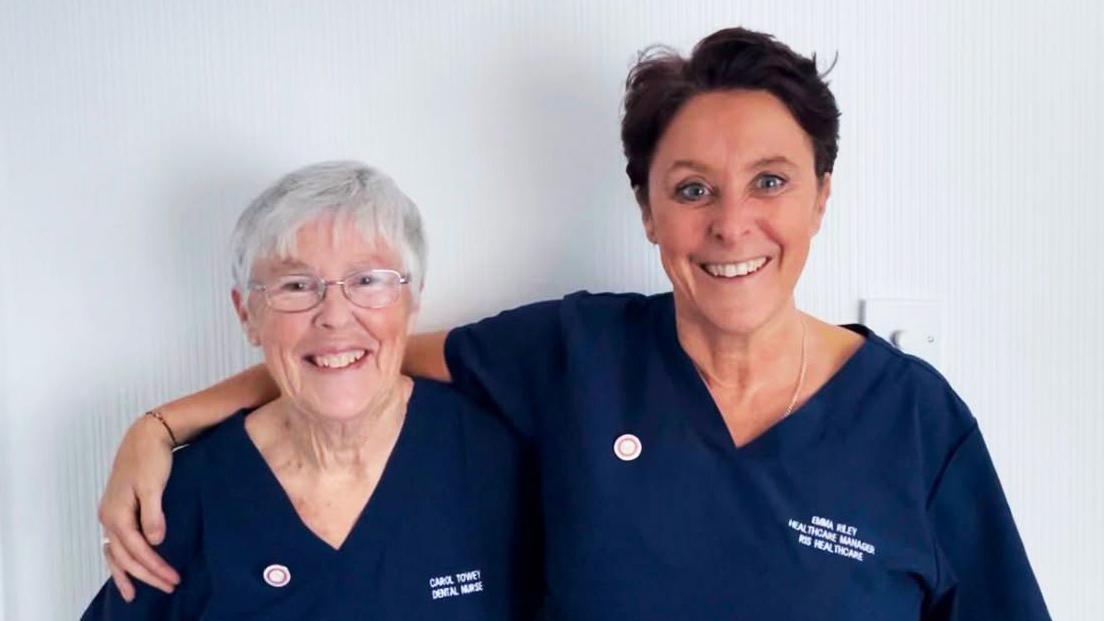
Steve West, a 64-year-old from Wakefield, West Yorkshire, speaks with a profound sense of weariness, having cared for his mother for many years before making the heart-wrenching decision to place her in a care home, where she passed away earlier this year. His frustration stems from a recurring political cycle: "hearing the same issues that need fixing being discussed by each new government." While listening to the Prime Minister’s latest pledges, he acknowledged the potential of a proposed national care service, suggesting it "could give focus, but its remit needs to be confirmed." Critically, he advocates for a cross-party approach, recognizing that any meaningful reform would "take a few terms of parliament at least and then to maintain the benefits for years to come." His personal caregiving journey was marred by administrative chaos. The biggest challenge, he explains, was "knowing who to speak to" and "dealing with several health bodies," often having to repeatedly recount his mother’s complex medical history. He vividly remembers a moment of desperation: "She got progressively worse and I remember one time sitting in a car park for an hour-and-a-half trying to get an emergency social worker." For Steve, "having a system that is unified would be a massive help." He urges the Prime Minister to concentrate on "one or two big-ticket items" with the greatest potential impact. Furthermore, he champions the idea of paying family carers at rates comparable to private companies, arguing that this would empower "more people [to] feel they were able to provide support" without being penalized by reduced work hours or job loss. His insights highlight the need for systemic integration, simplified access, and proper valuation of the informal care workforce.
Jeanette Barry from Essex endured a "horrible, terrible time" caring for her husband, John, for 42 years before his diagnosis with dementia in 2018. John, a former policeman, eventually required care beyond what Jeanette could provide at home as his needs grew increasingly complex. "At one point he was roaming the streets at night because he thought he was still on duty," she shares, describing the harrowing reality of managing advanced dementia. "I couldn’t keep him in the house, so at 2am or 3am I was having to follow him to make sure he was alright." The financial burden quickly became overwhelming. Jeanette contributed £2,000 a month towards care home fees from her husband’s police pension, in addition to local authority funding. While she doesn’t "begrudge a penny of that money" for the good care he received, the financial pressure was immense. She vividly recalls a social worker’s blunt instruction that she would need to remortgage her house, or John would be moved to another care home – a threat that thankfully receded after a reassessment granted more financial support. "I had to think twice before putting my heating on," she reveals, illustrating the sacrifices made. John passed away two years ago, leaving Jeanette with a deep-seated skepticism towards politicians’ promises. "They all make promises but then they never do anything," she laments. However, she holds "slightly more confidence in Andy Burnham because he has personal experience of dementia," though she remains pragmatic, asking, "but how is he going to pay for it?" Her story encapsulates the emotional and financial devastation dementia can wreak on families, compounded by a system that often feels punitive and unreliable.
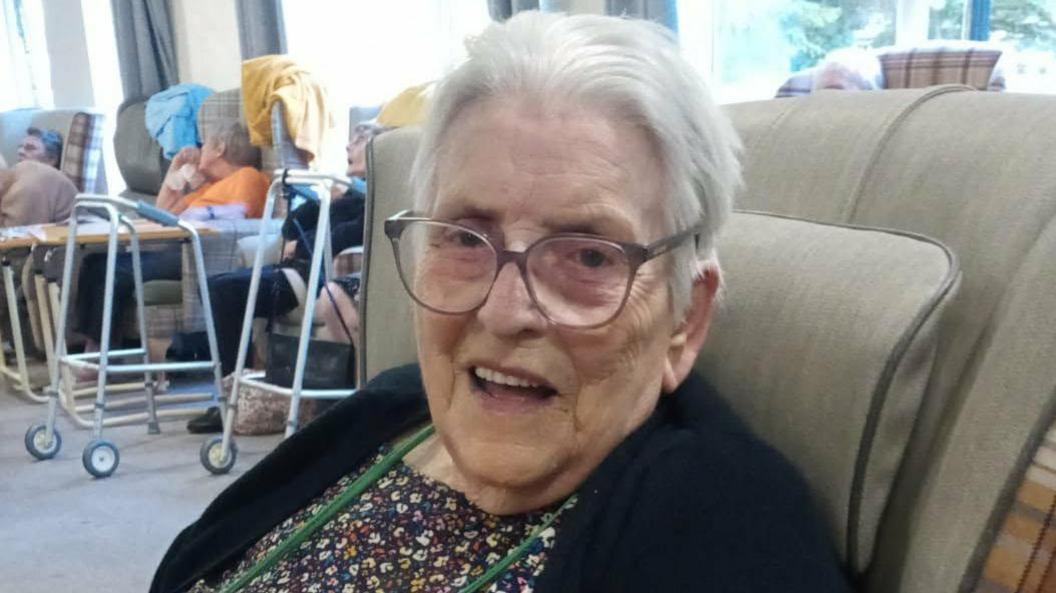
These individual narratives coalesce into a powerful collective plea for comprehensive and sustainable social care reform. The experiences of Emma, Lisa, Sophie, Steve, and Jeanette are not isolated incidents but reflect the daily struggles of millions across England. They underscore the critical deficiencies: chronic underfunding, a fractured administrative landscape, a severely undervalued workforce, and the immense, often uncompensated, burden placed on family carers. As the population ages, the demand for social care will only intensify, making the current crisis unsustainable. The political will to address this complex issue, involving difficult decisions about taxation and public spending, is paramount. Families are not asking for an ideal world, but for a system that provides dignity, navigability, and equitable support, ensuring that a lifetime of work and saving does not lead to financial ruin in old age or illness. The hope for change, though often tempered by past disappointments, remains a beacon for those caught in the relentless grip of the current social care system. Their voices serve as a powerful reminder that reform is not just a policy debate, but a deeply personal necessity for the well-being of countless individuals and the fabric of society itself.



 George Anjay
 Nakalama John
 atisusanti