atisusanti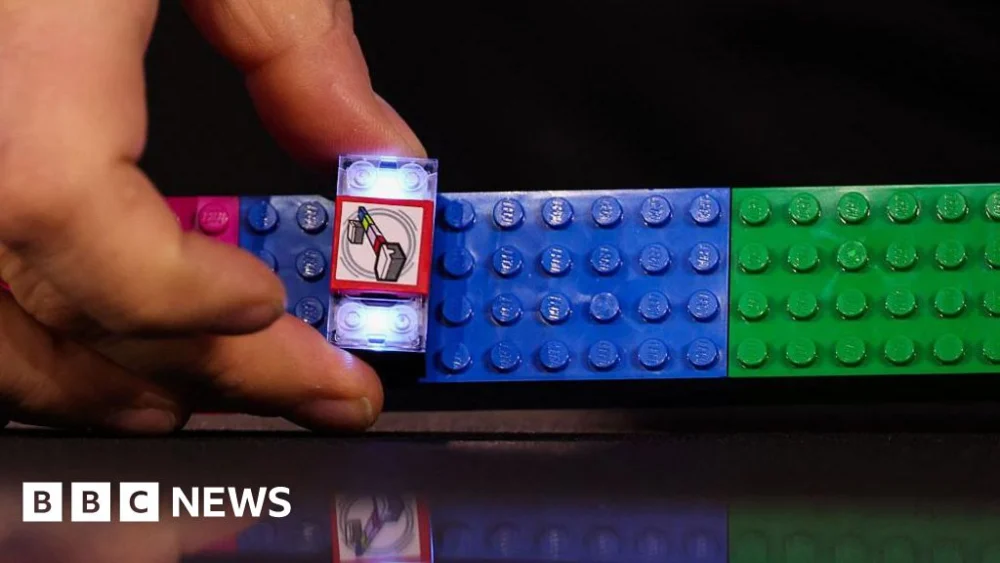
Shiona McCallum, Senior technology reporter, CES in Las Vegas, Liv McMahon and Emma Calder, Technology reporters
In a move that has ignited both excitement and apprehension within the toy industry and among child development advocates, Lego has officially unveiled its groundbreaking "Smart Bricks" at the Consumer Electronics Show (CES) 2026 in Las Vegas. These aren’t just your average plastic building blocks; they are infused with advanced technology designed to bring Lego creations to life with dynamic sound, vibrant light, and responsive movement. However, this ambitious leap into a more interactive play experience has simultaneously sparked significant unease among play experts, who voice concerns that these "smart" innovations risk diluting the core essence of what has made Lego a beloved and enduring toy for generations, particularly in an increasingly digital world.
The Danish toymaker, renowned for its timeless interlocking bricks, is introducing a new range of electronic components integrated directly into the classic plastic blocks. Lego boldly proclaims these new tech-enabled products, set to launch in March with a brand-new Star Wars-themed set, represent its "most revolutionary innovation" in nearly half a century. This strategic pivot underscores Lego’s commitment to evolving its offerings to meet contemporary consumer expectations and technological advancements.
Despite Lego’s optimistic outlook, prominent figures in the field of child development are expressing reservations. Josh Golin, the executive director of the children’s wellbeing group Fairplay, argues that the Smart Bricks "undermine what was once great about Legos" by potentially diminishing the role of a child’s own imagination in the play process. He elaborates, "As anyone who has ever watched a child play with old-school Legos knows, children’s Lego creations already do move and make noises through the power of children’s imaginations. But with the release of Smart Bricks, Lego is taking play out of the hands of children and putting it into the tiny sensors of these so-called ‘smart’ devices." This sentiment highlights a core concern: that the pre-programmed responses of the Smart Bricks might overshadow or replace the creative storytelling and imaginative sound effects that children naturally conjure when engaging with traditional Lego sets.
Andrew Manches, a professor specializing in children and technology at the University of Edinburgh, echoes this perspective, emphasizing that the inherent beauty of Lego lies in "the freedom to create, re-create, and adapt simple blocks into endless stories powered by children’s imagination." However, Manches also acknowledges the potential benefits of Lego’s endeavor to bridge the gap between physical and digital play, particularly with tools that are designed to react to how children interact with them. This suggests a nuanced view, recognizing that technology can enhance play if implemented thoughtfully.
Lego’s Chief Product and Marketing Officer, Julia Goldin, has previously articulated the company’s perspective, stating that digital technology is viewed not as a threat but as a significant opportunity to "expand physical play and physical building." She asserted, "We don’t look at the digital world as a threat," and added that the company’s smart range is meticulously designed to weave interactivity "seamlessly" with its physical products, aiming for a harmonious integration rather than a replacement of traditional play.
What are Lego Smart Bricks?

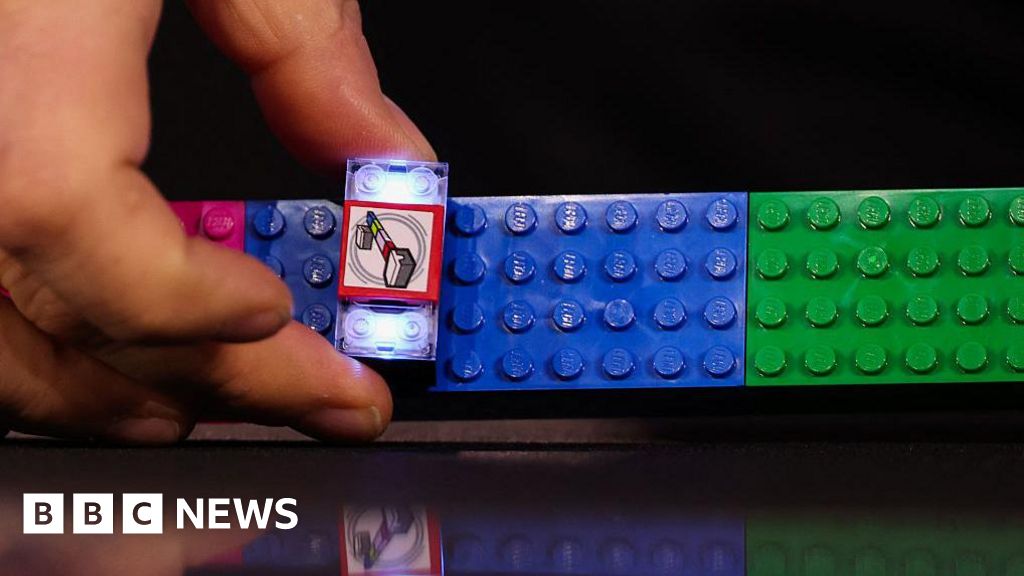
Lego has detailed that its Smart Bricks are engineered to detect motion, position, and distance, thereby enabling the constructed models to exhibit a range of responsive behaviors during play. Each Smart Brick, measuring the standard 2×4 dimensions, is equipped with an array of integrated components. These include sophisticated sensors, embedded lights for visual feedback, a compact sound synthesizer capable of producing various audio cues, an accelerometer to detect movement and orientation, and a custom-designed silicon chip that orchestrates its ability to perceive and react to motion.
However, the Smart Brick is intended to function as part of a larger ecosystem, the Lego Smart Play System, which also comprises Smart Minifigures and Smart Tag tiles. These additional elements are also adaptations of existing Lego components, but they are endowed with digital identifiers. These identifiers are crucial for triggering specific sounds or reactions when they detect and interact with each other, creating a more dynamic and interconnected play experience.
During demonstrations at CES, the BBC witnessed firsthand the capabilities of this new system. A Lego birthday cake, for instance, was programmed to recognize when its "candles" were "blown out," responding with a cheerful sound and a rendition of the "Happy Birthday" song. Similarly, a Lego helicopter model emitted realistic "whooshing" sounds when moved or rotated. In a dramatic turn, its Smart Brick would glow red upon simulating a crash, adding an element of consequence and narrative to the play.
Tom Donaldson, head of Lego’s Creative Play Lab, explained the underlying philosophy behind the technology. He stated that the Smart Brick’s intelligence is intended to respond directly to children’s actions, thereby complementing and enhancing the ways they naturally engage in play. "We are building a platform that we want to last for many years," Donaldson added, indicating a long-term vision for the Smart Play system. He believes the Smart Brick’s reactions are designed "to hopefully inspire and surprise the user to keep them continuing to play," fostering sustained engagement and creativity.

Professor Manches further commented on the broader trend of technological integration in toys, noting that the decreasing cost and miniaturization of electronic components have "enabled more toymakers to integrate digital technology seamlessly into a range of toys." While acknowledging the exciting potential of such innovations, he also raised persistent concerns about the security and privacy of new smart toys for children, particularly those incorporating artificial intelligence. "The key is to us all to remain critically reflective of the design of these toys, and to pay much attention to how they influence children’s everyday lives," he urged, advocating for a cautious and informed approach to the adoption of these technologies.
This foray into technologically enhanced play is not Lego’s first attempt to engage with digital innovation or to appeal to an increasingly online audience. Since 2017, the company has been actively releasing augmented reality (AR) applications and experiences, allowing users to interact with computer-generated models superimposed onto their real-world environments. Furthermore, through strategic collaborations with major video game publishers such as Nintendo and Epic Games (the creator of Fortnite), Lego has sought to capture the attention of fans of trending games and new releases. A notable example of this strategy was the 2020 release of a Super Mario Minifigure, which featured a small integrated display screen, offering a more interactive digital element within a physical toy.
Underscoring the strategic importance of this digital push, Lego’s Chief Executive, Niels B. Christiansen, stated in the company’s 2024 Annual Report that Lego has significantly accelerated its spending on digital technology, designating it a "strategic area" for the company’s future growth and development. This investment signals Lego’s intent to fully embrace the digital age, balancing its heritage of imaginative physical play with the interactive possibilities of modern technology, a move that will undoubtedly continue to be closely watched by parents, educators, and play experts alike.




 George Anjay
 Nakalama John
 Ramos Leo
 Nana Banana