
 Ramos Leo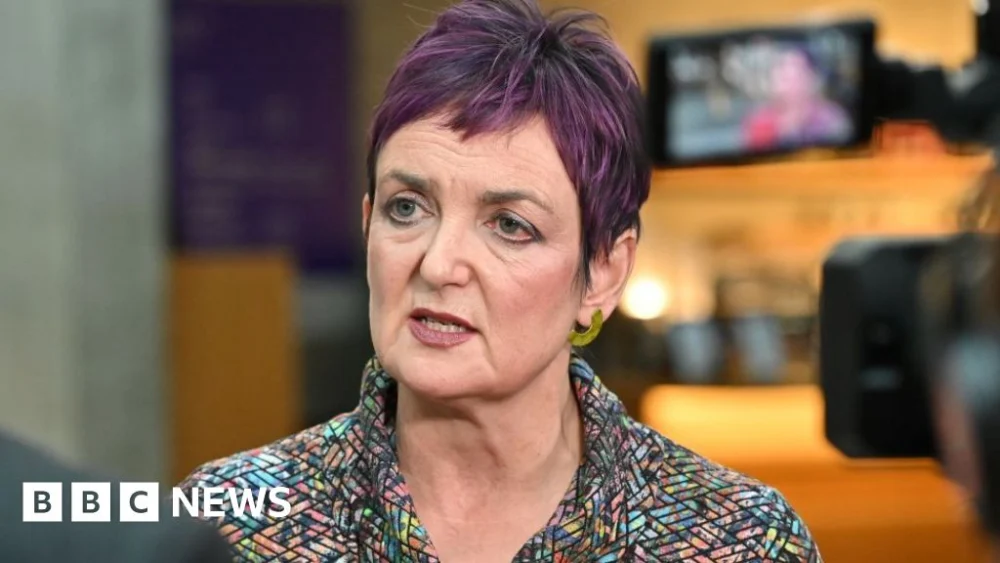
Scotland’s Justice Secretary, Angela Constance, has been formally found to have breached the ministerial code following an independent investigation into controversial comments she made in parliament regarding a prominent expert on grooming gangs. The ruling by the Scottish government’s independent advisers concludes a period of intense scrutiny and political pressure on the SNP minister, although the breaches were deemed to be "inadvertent" and "without any deliberation or intention to mislead." The findings necessitate a written reprimand for Constance and require her to make a statement to parliament to correct the official record, a move accepted by First Minister John Swinney.
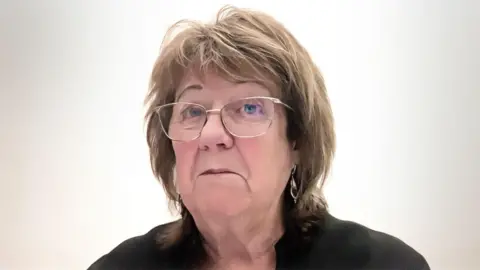
The controversy originated in September when Ms. Constance, during a parliamentary debate, quoted Professor Alexis Jay, who is currently overseeing a critical review of evidence concerning grooming gangs in Scotland. Ms. Constance informed Members of the Scottish Parliament (MSPs) that Professor Jay did not advocate for additional public inquiries into child sexual abuse and exploitation. However, this statement quickly led to an official clarification from Professor Jay herself, who contacted the Scottish government to specify that her original remarks were made in the context of the England and Wales Public Inquiry on Child Sexual Abuse, which she had chaired, and did not pertain to the specific situation or the need for inquiries within Scotland. This crucial distinction formed the bedrock of the subsequent allegations that Ms. Constance had misrepresented an expert’s position, potentially misleading the parliament.
The independent investigation, carried out by the Scottish government’s advisers on the ministerial code, identified two distinct breaches. The primary breach revolved around Ms. Constance’s comments concerning Professor Jay. The advisers concluded that these statements "had the potential to mislead parliament" and, crucially, should have been rectified as soon as Professor Jay’s clarification was received by the government. The ministerial code places a high premium on accuracy and candour in parliamentary discourse, requiring ministers to correct any inaccuracies swiftly. Despite this, the investigation found no evidence that Ms. Constance had "knowingly misled parliament nor was the statement inaccurate or untruthful," suggesting an error of interpretation or communication rather than deliberate deception. This distinction is significant, as a knowing breach typically carries more severe consequences.
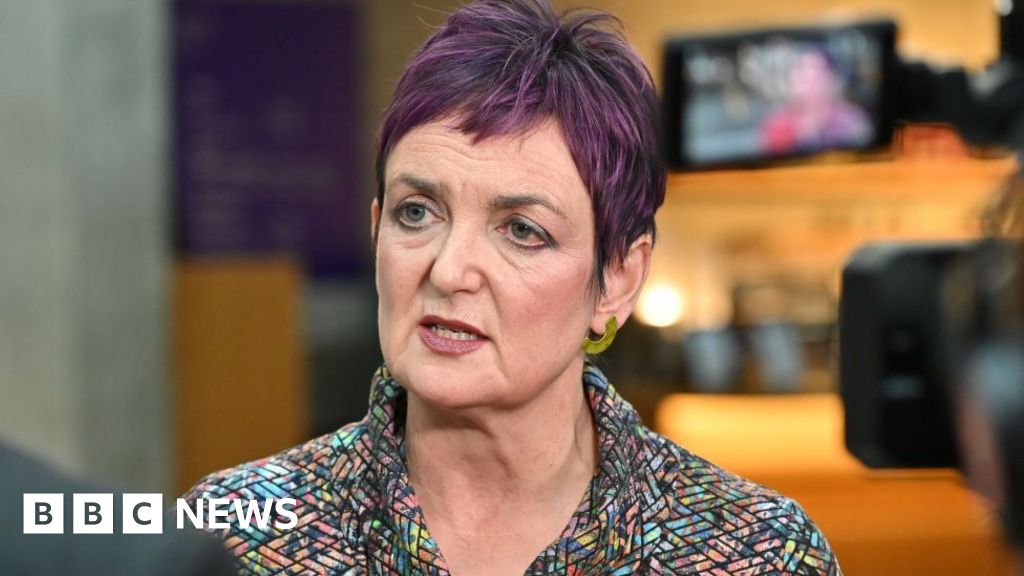
The second breach identified by the investigation concerned a telephone conversation between Ms. Constance and Professor Jay, during which the Justice Secretary offered an apology. Ms. Constance had disclosed last month that no government officials were present on this call. The independent advisers deemed this absence an "error of judgement in the moment and not deliberate and in that sense inadvertent." The presence of officials in such sensitive communications is typically a standard practice, ensuring that a clear and impartial record of discussions is maintained, thereby upholding transparency and accountability. The lack of an official record for an apology regarding a parliamentary statement made the interaction open to question, even if the intent behind the private call was benign.
Following the release of the findings, Angela Constance accepted the conclusions of the investigation "unreservedly" and delivered a statement to parliament, offering an apology to the First Minister and reiterating her position. "I have always stated that I did not intend to mislead parliament in any way," she told MSPs, acknowledging, however, that "The record could have and should have been corrected earlier and a statement to parliament should have been made earlier." Her acceptance of the findings and willingness to make a public statement are standard steps for a minister found to be in breach of the code, designed to restore parliamentary integrity.
First Minister John Swinney, who had previously indicated he believed there was no breach, publicly accepted the investigation’s findings. He confirmed that the recommendations, including the written reprimand and parliamentary statement, would be implemented. This endorsement from the First Minister is crucial, as the ministerial code ultimately falls under his purview. However, his earlier stance became a point of contention for opposition parties.
The political fallout was immediate and sharp. Scottish Conservative leader Russell Findlay seized upon the findings, calling for Ms. Constance’s resignation. He also critically highlighted Swinney’s prior assertion that he saw no breach, stating, "This saga has all the hallmarks of John Swinney’s government – cover-up over candour, self-preservation over integrity." This line of attack suggests a broader concern about transparency and accountability within the administration. Similarly, Scottish Labour leader Anas Sarwar echoed calls for resignation, arguing that Ms. Constance had lost the confidence of the victims of grooming gangs, a particularly damaging accusation given the sensitive nature of the subject matter at the heart of the dispute. The opposition’s reaction underscores the high political stakes involved in maintaining ministerial standards, especially concerning issues of child protection.
The controversy had been brewing for months, escalating into a significant political challenge for the Scottish government. The initial spark in September led to a direct impact on those most affected by the issue: the mother of a grooming gangs survivor, known only as Taylor, publicly stated that she no longer had confidence in Ms. Constance. This personal testimony added a powerful emotional dimension to the political debate. The issue culminated in a vote of no confidence against the Justice Secretary in December, initiated by opposition MSPs. While Ms. Constance ultimately survived the vote, the pressure led directly to the Scottish government’s independent advisers confirming shortly before Christmas that they would launch a formal investigation into her comments.
The core of the parliamentary dispute was Ms. Constance’s opposition to a Conservative amendment to a victims’ bill, an amendment that specifically called for a public inquiry into grooming gangs. It was in this context that Ms. Constance cited Professor Jay. Subsequent emails released by the government further corroborated Professor Jay’s clarification, where she explicitly stated that her quoted comment was "in the context of the England and Wales Public Inquiry on Child Sexual Abuse" and "had nothing to do with [the Conservative] amendment, or the position in Scotland, as could be interpreted from your statement." Professor Jay had proactively urged the Scottish government to clarify her position publicly, highlighting her concern about an inaccurate record.
The issue of the private phone call without officials came to light during a meeting of Holyrood’s education committee, where Ms. Constance apologised to Professor Jay. She explained that her initial apology had been made in a "personal" telephone conversation. The absence of government officials on that call immediately raised eyebrows, sparking further accusations of a ministerial code breach, as ministers are typically expected to have officials present for discussions related to their governmental duties to ensure proper record-keeping and accountability. Prior to the independent investigation’s announcement, Ms. Constance told BBC Scotland News that the situation could have been "handled better," but maintained that she had acted in "good faith."
Beyond the political wrangling, the substantive issue of addressing grooming gangs in Scotland remains. In December, the Scottish government announced a national review of the evidence concerning the operation of grooming gangs across Scotland. This review will be conducted by independent inspectorates and overseen by an expert panel led by none other than Professor Alexis Jay. The panel’s role is to advise ministers on the review’s outcomes, which will then inform a future decision regarding the necessity of a judge-led public inquiry. Professor Jay herself previously clarified to MSPs that her primary concern was never to receive an apology, but rather to ensure there was an "accurate record" of her quote as cited in parliament, underscoring the importance of factual integrity in public discourse.
The findings of this investigation offer distinct takeaways for both the Scottish government and its opposition at Holyrood. For the Conservatives and Labour, who actively campaigned for Ms. Constance’s removal, the findings serve as a vindication of their efforts, affirming that rules were indeed broken. They can claim success in holding the government to account. Conversely, the SNP government can point to the advisers’ conclusion that the breaches were "inadvertent," mitigating the severity of the transgression and emphasizing that the required remedial actions have been taken, thereby resolving the matter.
However, several critical points continue to resonate from this episode. Firstly, Angela Constance could have significantly diffused the situation and avoided considerable political turmoil by promptly acknowledging her initial mistake, clarifying her statements to parliament at the earliest opportunity, and offering a swift apology. Proactive candour often serves ministers better than reactive defence. Secondly, the fact that the First Minister’s independent advisers ultimately found breaches of the code, despite John Swinney’s earlier public statements expressing satisfaction with the handling of the situation and seeing no reason for an investigation, reflects negatively on his initial judgment. It raises questions about the thoroughness of internal assessments prior to external investigation. Thirdly, and perhaps most importantly, this protracted political controversy has undeniably cast a shadow over the crucial underlying question: whether there is sufficient evidence to warrant a new, comprehensive public inquiry into the operation of grooming gangs in Scotland. The Scottish government is still in the process of gathering this vital information, and ironically, the ultimate decision will depend heavily on the advice provided by the very expert at the centre of this political storm – Professor Alexis Jay. The incident serves as a stark reminder of the delicate balance between political expediency, parliamentary integrity, and the grave importance of addressing sensitive societal issues with utmost clarity and accountability.



 Roy Suryo

 Nakalama John
 atisusanti
