Nana Banana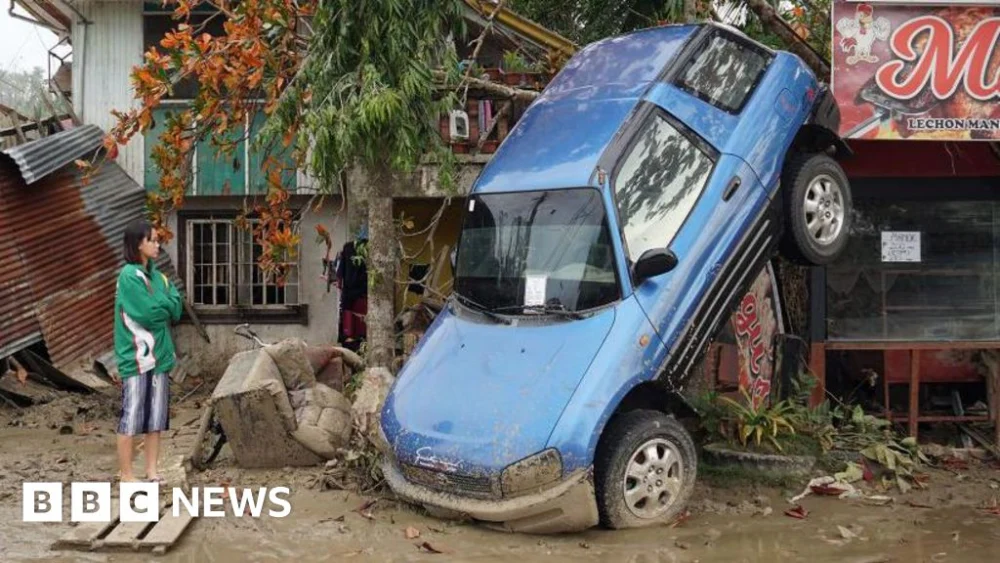
London, UK – In a landmark legal challenge, victims of the devastating Typhoon Rai in the Philippines have initiated the first-ever climate impact lawsuit against a major oil and gas company in the United Kingdom. The claim, filed in the UK courts, seeks compensation from Shell, arguing that the energy giant’s historical contributions to greenhouse gas emissions played a significant role in exacerbating the severity of the deadly storm. Typhoon Rai, known locally as Odette, struck the Philippines just before Christmas in 2021, leaving a trail of destruction that claimed approximately 400 lives and displaced millions.
The legal action, brought forth by a group of 67 survivors, centers on the argument that Shell, as a significant producer of fossil fuels, has materially contributed to human-driven climate change, which in turn made Typhoon Rai more likely and more damaging. The survivors’ legal team contends that Shell has a documented history of climate misinformation, possessing knowledge since as early as 1965 that fossil fuels were the primary driver of climate change, yet continuing to profit from their extraction and sale. This alleged prioritization of profit over planetary well-being forms the crux of the survivors’ grievances.
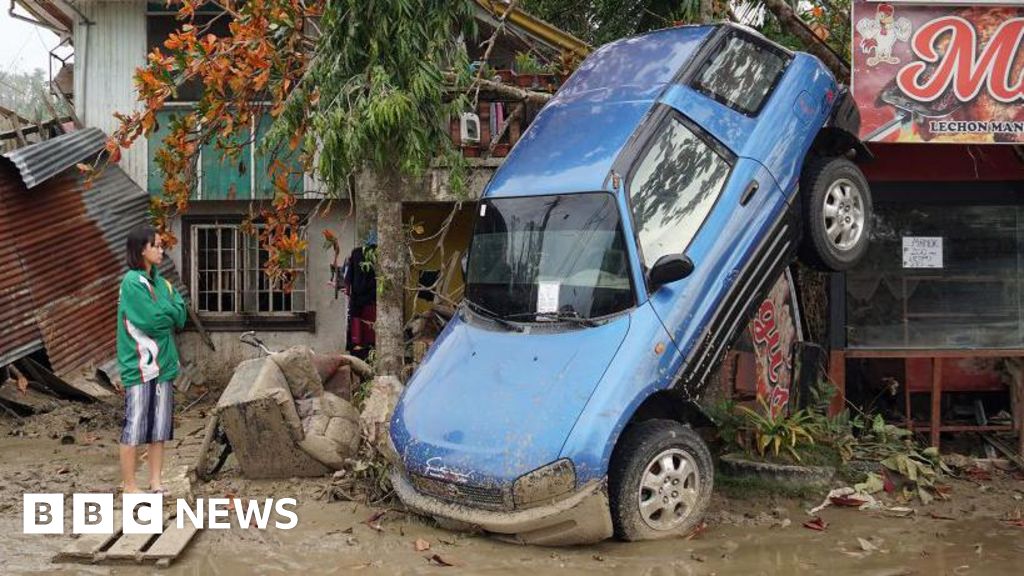
Trixy Elle, a fish vendor from Batasan island who survived the typhoon by swimming through treacherous waves with her family, shared her harrowing experience. "So we have to swim in the middle of big waves, heavy rains, strong winds," she recounted to BBC News from the Philippines. "That’s why my father said that we will hold our hands together, if we survive, we survive, but if we will die, we will die together." Her plea for accountability underscores the human cost of extreme weather events linked to climate change.
The claim is being pursued in the UK courts due to Shell’s domicile in the country, though the survivors’ legal team intends to apply the law of the Philippines, where the catastrophic damage occurred. The letter of claim sent to Shell cites the Carbon Majors database, which identifies Shell as responsible for approximately 2% of historical global greenhouse gas emissions. This figure is presented as evidence of the company’s substantial contribution to the warming planet.
Shell has vehemently denied the allegations, labeling the claim as "baseless" and dismissing the suggestion that the company possessed unique knowledge about the drivers of climate change. A spokesperson for Shell stated in a press release, "This is a baseless claim, and it will not help tackle climate change or reduce emissions. The suggestion that Shell had unique knowledge about climate change is simply not true. The issue and how to tackle it has been part of public discussion and scientific research for many decades." The company maintains that its production of oil and gas did not contribute to this specific typhoon and disputes the notion of withheld knowledge.

Environmental campaign groups supporting the survivors highlight advancements in climate science that allow for greater attribution of extreme weather events to global warming. These developments, they argue, make it increasingly possible to demonstrate the influence of greenhouse gas emissions on specific phenomena like heatwaves and storms. However, proving to a court’s satisfaction that the damages incurred by individuals due to extreme weather are directly linked to the actions of specific fossil fuel producers remains a significant legal hurdle.
Harj Narulla, a barrister specializing in climate law and litigation not involved in the case, described it as a "test case" with potentially significant implications for the legal landscape of climate change litigation. "It’s traditionally a high bar, but both the science and the law have lowered that bar significantly in recent years," Narulla commented. "This is certainly a test case, but it’s not the first case of its kind. So this will be the first time that UK courts will be satisfying themselves about the nature of all of that attribution science from a factual perspective."
The international experience with climate litigation against fossil fuel companies has been varied. In the United States, similar efforts have often faltered. In Europe, a landmark case in the Netherlands saw courts order Shell to cut its absolute carbon emissions by 45% by 2030, a ruling that included emissions from the use of its products. However, this ruling was subsequently overturned on appeal, with the court citing a lack of legal basis for specific cuts targets, though it did reaffirm Shell’s duty to mitigate dangerous climate change through its policies.

The UK claim has now been formally filed at the Royal Courts of Justice, marking a crucial first step in what is expected to be a protracted legal battle. More detailed particulars of the claim are anticipated by the middle of next year, setting the stage for further legal scrutiny of Shell’s role in the climate crisis and its impact on vulnerable populations worldwide. The case is being closely watched by legal experts, environmental advocates, and the energy industry as it probes the complex intersection of corporate responsibility, scientific attribution, and climate justice.
The survivors’ legal team points to Shell’s extensive history of operations and its substantial contribution to global carbon emissions as the foundation for their claim. They argue that the company’s long-standing awareness of the link between fossil fuels and climate change, coupled with its continued investment in oil and gas exploration and production, constitutes a breach of duty. The survivors are seeking damages to help rebuild their lives and communities devastated by the typhoon, and to hold Shell accountable for its alleged role in exacerbating the climate crisis.
The legal team also highlights the ethical dimension of the case, asserting that Shell has deliberately engaged in a pattern of climate misinformation to protect its business interests. This alleged deliberate deception, they contend, has hindered global efforts to address climate change and has directly contributed to the increased frequency and intensity of extreme weather events like Typhoon Rai. The survivors’ quest for justice is not only about compensation but also about seeking recognition of the harm caused by the fossil fuel industry and demanding a fundamental shift in its operations.

The claim against Shell is seen by many as a pivotal moment in climate litigation, potentially setting a precedent for future cases against other major fossil fuel companies. As the legal process unfolds, it will undoubtedly bring to the forefront complex questions about corporate accountability, the scientific evidence linking emissions to specific climate impacts, and the evolving legal frameworks for addressing the global climate crisis. The outcome of this case could have far-reaching implications for how governments, corporations, and individuals grapple with the escalating challenges of a warming planet.
The survivors’ group is drawing strength from the growing body of scientific evidence that demonstrates a clear link between rising global temperatures and the intensification of extreme weather events. They believe that the courts will eventually recognize the scientific consensus and hold companies like Shell responsible for the devastating consequences of their actions. This legal challenge represents a determined effort to seek redress for past harms and to push for a more sustainable and just future for all.



 George Anjay
 Nakalama John
 Ramos Leo