Nakalama John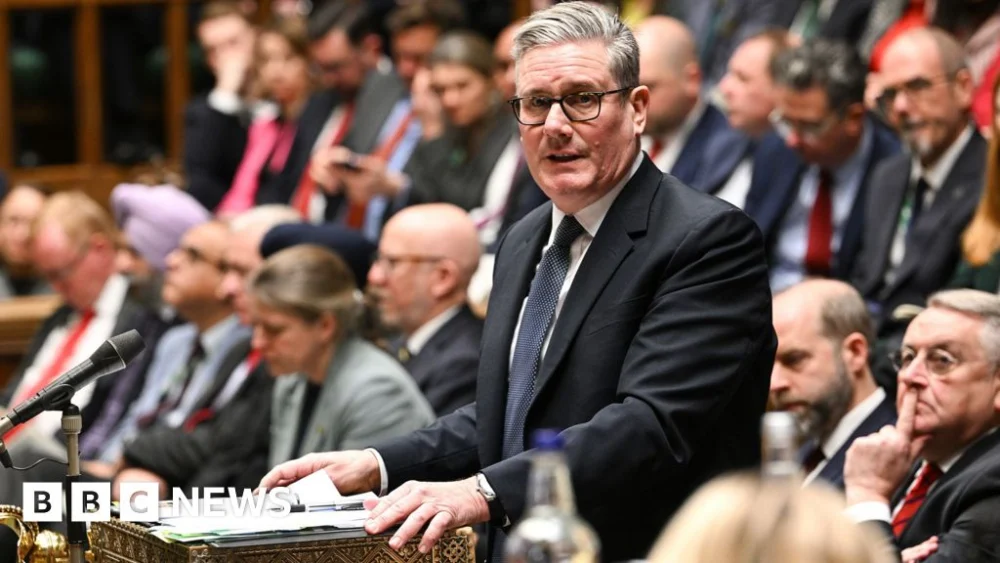
The urgency of the situation was starkly highlighted during Prime Minister’s Questions, where Rachael Maskell, the Labour MP for York Central, delivered a passionate plea to the Prime Minister. Maskell implored Sir Keir, as the leader of the opposition, to urgently review the party’s own proposals and to advocate for a broader government reconsideration, stressing the need to "avert a crisis" that threatens to decimate High Streets across the nation. The Prime Minister, in his response, acknowledged the ongoing discussions between the government and the hospitality sector, stating they were exploring "what further support and action we can take," though offering no concrete commitments.
The core of the looming crisis stems from decisions made in the November Budget. Chancellor Rachel Reeves, in her fiscal statement, outlined a significant scaling back of the business rate discounts that have been a lifeline for many businesses since the pandemic. These discounts, which previously stood at a substantial 75%, were reduced to 40% and, more critically, are slated for complete removal from April. This abrupt cessation of relief, combined with other factors, is creating a perfect storm for the sector. While the government has offered some mitigation by reducing the "multiplier" – a figure used in the complex calculation of business rates – this gesture is largely overshadowed by concurrent adjustments to the rateable values of commercial properties. For many businesses, particularly those in the hospitality sector, these revaluations mean that despite the multiplier reduction, they will still be confronted with significantly larger overall bills.
During her intervention at PMQs, Rachael Maskell vividly articulated the profound concerns of independent business owners in her constituency. She highlighted their fear of the "cumulative impact of the rateable value revision and relief reductions." Maskell provided chilling statistics specific to York, a city heavily reliant on its tourism and hospitality sectors. She revealed that hospitality businesses in York face an average business rate increase of a staggering 41%, while a local music venue is looking at an even steeper rise of 44.4%. Even independent shops, often seen as the backbone of local economies, are bracing for increases averaging around 27%. "It will mean doors closing and trade ceasing, they just can’t do it," Maskell warned, painting a grim picture of the future. She not only called for an urgent review of the business rate proposals but also pressed for a minister or official to attend her business rate summit at the end of January, underscoring her determination to "avert a crisis on York’s High Street."
The Prime Minister’s response, that talks were "ongoing" with the hospitality industry, lacked specific details regarding potential measures or timelines. Similarly, the Prime Minister’s spokesman declined to provide a "running commentary," while reiterating that the hospitality industry had already received a substantial £4.3bn support package over three years in the Budget. However, industry leaders argue that this figure, while seemingly large, covers a broad period and a wide range of support initiatives, much of which has already been expended, and does not address the immediate and acute threat posed by the impending business rate changes.
Internally, Labour MPs are expressing optimism that further relief might be secured, citing the precedent set by the government’s partial U-turn on plans to tax inherited farm land. This previous reversal, which followed significant public and political pressure, is seen as evidence of the government’s willingness to adjust policy when faced with strong opposition and widespread concern. The fact that Treasury ministers have shown a readiness to engage with both the pub trade and critical Labour MPs is interpreted as a positive sign that a similar re-evaluation could occur. However, the exact nature of the desired intervention varies among MPs. Some are advocating for a year-long delay to the proposed reforms, offering a much-needed breathing space for businesses to adapt. Others are pushing for an increased level of rates relief, arguing that the current 40% is insufficient to stave off widespread closures. Despite these nuanced differences, there is a broad, cross-party consensus emerging that changes of some kind are not just desirable but absolutely essential to prevent a catastrophic collapse in the hospitality sector.
Ash Corbett-Collins, chairman of The Campaign for Real Ale (CAMRA), encapsulated the industry’s frustration and urgency. "Instead of months of uncertainty and the prospect of thousands of otherwise viable pubs having to close their doors for good, the prime minister and chancellor should give in to pressure, accept the inevitable and announce a rethink now," he urged. Corbett-Collins minced no words, stating, "Whether through cock-up or conspiracy the government’s promise of permanently lower business rates for pubs hasn’t happened. Instead, publicans are facing higher bills from April, which they simply can’t afford." His remarks underscore a sense of betrayal felt by many within the industry, who believed previous government assurances would lead to a more supportive fiscal environment.
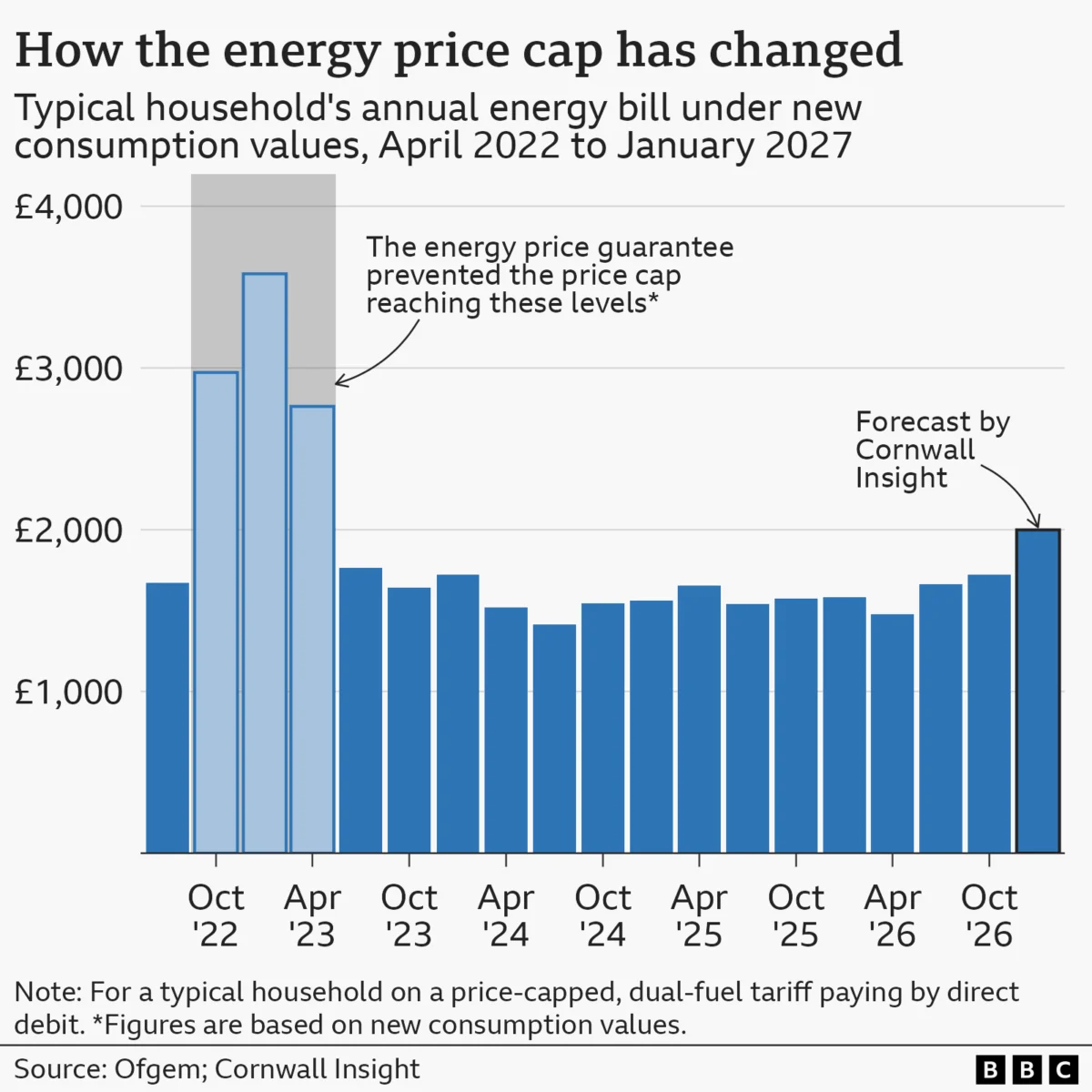
The concerns extend beyond business rates. Pubs and hospitality venues are grappling with a multitude of challenges that collectively threaten their viability. Energy costs, though stabilising from their peak, remain significantly higher than pre-pandemic levels. Supply chain disruptions continue to impact ingredient availability and cost. The ongoing cost of living crisis means consumers have less disposable income, leading to reduced footfall and lower spending per visit. Furthermore, many businesses are still struggling with staffing shortages, driving up wage costs and impacting service quality. For many, the impending business rate hike is simply the straw that breaks the camel’s back, adding an insurmountable fixed cost onto an already precarious financial foundation.
The British Beer and Pub Association (BBPA) has been at the forefront of lobbying efforts. On Tuesday, Treasury minister Dan Tomlinson met with representatives from the BBPA to discuss potential relief measures, with further talks anticipated. In December, the association formally wrote to the government, making a specific and urgent request for 30% "pub-specific business rates relief." The BBPA’s analysis indicates that without such targeted intervention, widespread closures are inevitable, threatening approximately 15,000 jobs across the country. These job losses would not only impact individuals and families but also ripple through local economies, reducing tax revenues and increasing social welfare costs.
The potential closure of thousands of pubs carries significant social and economic implications beyond immediate job losses. Pubs often serve as community hubs, offering spaces for social connection, local events, and cultural activities. Their disappearance would leave voids in many communities, particularly in rural areas where they are often the last remaining communal institution. On High Streets, pub closures can lead to reduced footfall, impacting other local businesses and contributing to a general decline in vibrancy. This contradicts the government’s stated "levelling up" agenda, which aims to boost local economies and improve community infrastructure.
The situation calls for more than just temporary fixes; it necessitates a fundamental re-evaluation of the business rates system. Many industry experts and politicians argue that the current system, based on property values, is outdated and unfairly burdens businesses with physical premises, while online retailers often operate with lower overheads. Alternative models, such as a sales-based tax or a system that better reflects trading conditions, are frequently proposed as long-term solutions. However, for the immediate future, the focus remains on preventing the April cliff-edge. The political stakes are also high for Sir Keir Starmer’s Labour. As the opposition, their ability to champion the cause of struggling businesses and effectively pressure the government on this issue will be a crucial test of their commitment to supporting local economies and communities. Failure to secure significant changes could leave them vulnerable to criticism from both the industry and disgruntled voters, particularly if they are perceived as not having a sufficiently robust alternative policy. The coming weeks will be critical in determining whether a crisis can indeed be averted, or if the UK’s beloved pubs will face a spring of unprecedented closures.


 Roy Suryo