
 Nana Banana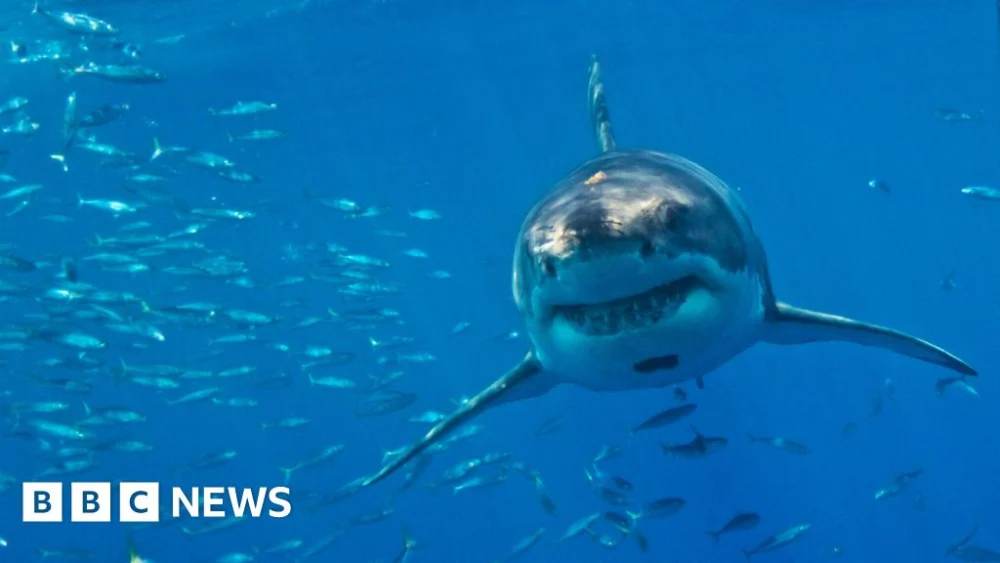
Great white sharks (Carcharodon carcharias) are among more than 20 Mediterranean shark species afforded protection under stringent international law. This legal framework explicitly prohibits their capture, retention, transshipment, landing, transfer, storage, sale, or display for sale. The intent is clear: to safeguard these vulnerable populations from further decimation. However, the reality on the ground, or rather, in the water, paints a grim picture. By meticulously monitoring fishing ports along the Mediterranean coast of North Africa, researchers uncovered a staggering statistic: at least 40 great white sharks have been killed and brought ashore in this region in 2025 alone. This figure is profoundly alarming for a population already teetering on the edge of collapse.
Further compounding these findings, the BBC has independently corroborated evidence through social media footage depicting protected sharks being brought ashore deceased into North African ports. One particularly striking video captured the arduous process of hauling a massive great white shark from a fishing boat onto the shores of Algeria. Another, filmed in Tunisia, showed the dismembered heads and fins of what appeared to be a short-finned mako shark (Isurus oxyrinchus), another highly threatened and internationally protected species, being openly prepared for sale in a bustling market. These visual proofs underscore the widespread disregard for existing protective legislation and the urgent need for enhanced enforcement.
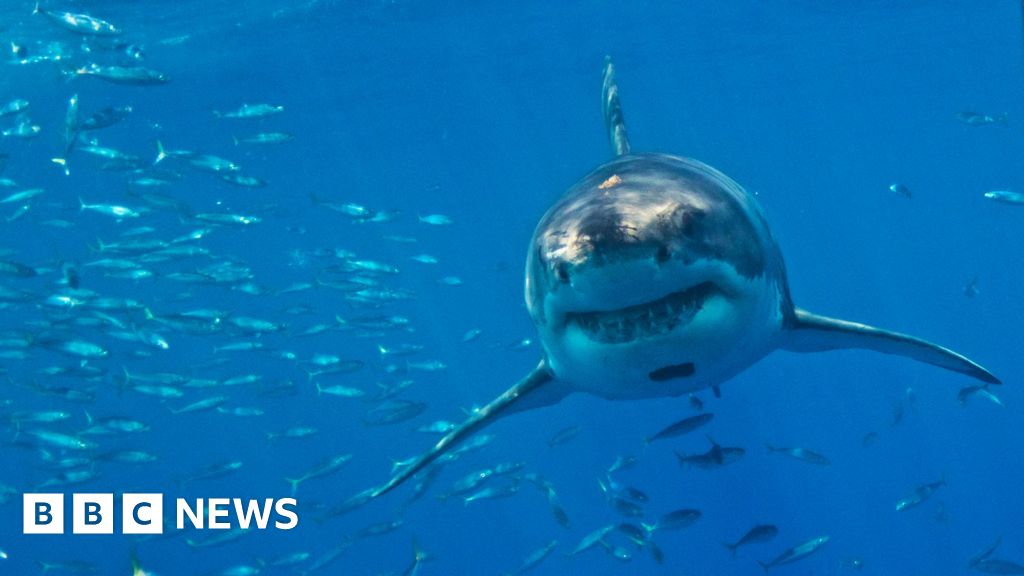
The Mediterranean Sea, while historically a habitat for great whites, has witnessed a dramatic decline in its shark populations over recent decades. Dr. Francesco Ferretti, a lead researcher from Virginia Tech, articulated the dire situation while speaking to the BBC News science team from a research vessel off the coast of Sicily in late 2025. "No other stretch of water is fished like the Mediterranean Sea," he emphasized. "The impact of industrial fishing has been intensifying… and it’s plausible that they will go extinct in the near future." This stark assessment is supported by the International Union for the Conservation of Nature (IUCN), which has now officially classified the Mediterranean great white shark population as Critically Endangered, indicating an extremely high risk of extinction in the wild.
In a desperate attempt to locate and study these elusive predators, Dr. Ferretti and his team focused their efforts on the Strait of Sicily. This strategically important area, nestled between Sicily and North Africa, has been identified by scientists as a potential "last stronghold" for several threatened shark species within the Mediterranean. The mission’s ambitious primary objective was to achieve what had never been done before in the Mediterranean Sea: fit a satellite tracking tag onto a great white shark. Such a tag would provide invaluable data on their movements, migration patterns, and remaining habitat, crucial information for designing effective conservation strategies.
The logistical scale of their endeavor was immense. The researchers brought over three tonnes of specialized fish bait, including a shipping container brimming with frozen mackerel and tuna scraps. To maximize their chances, they also deployed 500 liters of potent tuna oil, designed to create a "fat slick" that could be detected by sharks from hundreds of meters away, drawing them closer to the research vessel. Despite working tirelessly for two weeks, deploying bait, meticulously taking seawater samples to search for traces of shark environmental DNA (eDNA), and utilizing advanced underwater cameras, the team was met with profound disappointment. They did not manage to find any great white sharks to tag. Their underwater cameras captured only a fleeting glimpse of a single blue shark, a species also under pressure but not as critically endangered as the great white in the region.

"It’s disheartening," Dr. Ferretti admitted, his voice reflecting the gravity of the situation. "It just shows how degraded this ecosystem is." The absence of these apex predators speaks volumes about the health of the entire marine environment. Adding to their frustration, while the team was actively searching for surviving sharks, they received distressing reports that a juvenile great white had been caught and killed in a North African fishery, chillingly close – just 20 nautical miles – from their research location. While it remains unclear whether this particular animal was an accidental bycatch or deliberately targeted, the incident underscored the pervasive threat. Dr. Ferretti and his team’s estimate of more than 40 great white sharks caught along that coast in 2025 alone serves as a stark reminder of the immense pressure on this critically endangered population.
The problem of "sharks for sale" is not limited to great whites. The researchers, collaborating with their colleagues in North Africa, are actively monitoring several fishing ports across the region. The BBC Forensics team’s independent verification further confirmed that protected sharks are indeed being regularly caught, landed, and openly offered for sale in countries such as Tunisia and Algeria. This includes the aforementioned social media footage: a great white being landed in an Algerian port and what appeared to be a large, protected short-finned mako shark being prepared for sale on a trolley in a Tunisian fish market.
The legal framework intended to protect sharks is intricate and, in practice, often fraught with challenges. Currently, 24 threatened species of sharks and rays have been granted international legal protection, encompassing species like makos, angel sharks, threshers, and hammerheads, in addition to great whites. The European Union and 23 nations bordering the Mediterranean have signed a crucial agreement, managed by the General Fisheries Commission for the Mediterranean (GFCM), which unequivocally states that these protected species cannot be "retained on board, transhipped, landed, transferred, stored, sold or displayed or offered for sale." Furthermore, the international agreement stipulates that "they must be released unharmed and alive [where] possible." However, a significant loophole exists: these rules often do not explicitly address accidental bycatch, and critically, the enforcement mechanisms vary drastically from country to country, leading to inconsistent application and widespread breaches.

Despite the bleak outlook, James Glancy from Blue Marine expressed a paradoxical glimmer of hope stemming from his own investigations into Tunisian fish markets, where he observed multiple great white sharks for sale. "It shows that there is wildlife left," he told BBC News. "And if we can preserve this, there is a chance of recovery." This perspective suggests that while the current situation is dire, the mere presence of these animals, even in illegal markets, indicates that a breeding population still exists, offering a fragile window for conservation if decisive action is taken immediately.
The question then shifts to: what can realistically be done? In many impoverished coastal communities across North Africa, fishers often face an agonizing dilemma: the choice between feeding their families and adhering to international conservation laws by releasing a threatened species back into the ocean. Sara Almabruk from the Libyan Marine Biology Society poignantly articulated this challenge, stating that while most catches in North African waters are accidental, "Why would they throw sharks back into the sea when they need food for their children?" She emphasized that true progress requires a holistic approach: "If you support them and train them in more sustainable fishing, they will not catch white sharks – or any sharks."
This highlights the critical need for socio-economic solutions alongside stricter enforcement. Proposed actions include:

- Capacity Building and Alternative Livelihoods: Investing in training programs for fishers to adopt more selective and sustainable fishing methods, reducing bycatch. Simultaneously, exploring and supporting alternative income-generating activities that are not reliant on destructive fishing practices.
- Enhanced Enforcement and Regional Cooperation: Strengthening surveillance, monitoring, and prosecution mechanisms across Mediterranean nations. This includes joint patrols, intelligence sharing, and harmonized legal frameworks to ensure consistent application of international law.
- Market Controls and Consumer Awareness: Implementing stricter controls at fish markets to prevent the sale of protected species. Public awareness campaigns are crucial to educate consumers about the conservation status of sharks and discourage the demand for illegally caught marine life.
- Gear Modification and Innovation: Promoting the use of shark-safe fishing gear that minimizes the chances of accidental capture, such as pingers to deter sharks or specific hook designs.
- Establishment and Management of Marine Protected Areas (MPAs): Designating and effectively managing MPAs, particularly in known shark hotspots like the Strait of Sicily, to provide safe havens where populations can recover free from fishing pressure.
James Glancy from Blue Marine concluded with a call to action that resonates with urgent hope: if countries around the Mediterranean can genuinely collaborate and commit to these comprehensive measures, "there is hope. But," he cautioned, "we’ve got to act very quickly." The fate of the Mediterranean great white shark, and indeed the health of the entire Mediterranean ecosystem, hangs precariously in the balance, demanding immediate and concerted global efforts to avert an irreversible loss.




 Roy Suryo

 Nakalama John
 atisusanti
 Ramos Leo
