Ramos Leo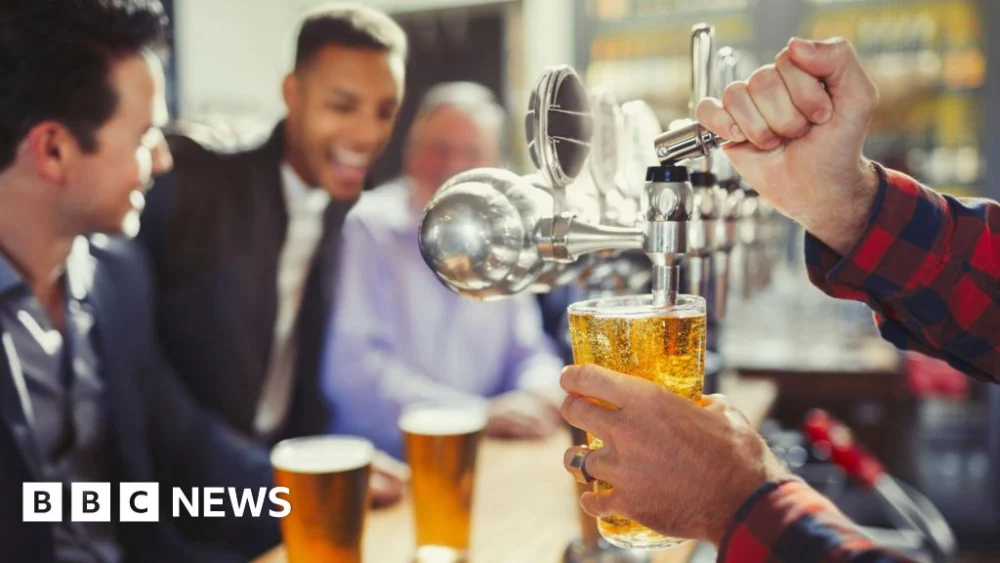
In a significant political and economic climbdown, the government is poised to announce a crucial rethink on the forthcoming increases to business rates bills for pubs across England within the coming days. The anticipated move will see adjustments to how pubs’ business rates are calculated, directly translating into smaller, more manageable rises for struggling landlords. Treasury officials have reportedly acknowledged the severe financial pressures confronting numerous pubs, particularly in the wake of substantial upward revisions to the rateable value of their premises. This policy reversal comes as a direct consequence of intense lobbying and public pressure from landlords and prominent industry groups, culminating in a striking protest where over 1,000 pubs symbolically banned Labour MPs from their establishments.
Beyond the immediate relief on rates, the Treasury is also understood to be preparing further measures to support the beleaguered sector. These include a relaxation of existing licensing rules, which could permit longer operating hours and allow pubs to utilise more pavement space for outdoor drinking areas. Such changes aim to provide pubs with additional revenue streams and enhance their appeal to customers, particularly as they navigate a challenging economic landscape.
The root of the current crisis lies in Chancellor Rachel Reeves’ November Budget. In that fiscal statement, the government significantly scaled back business rate discounts that had been a lifeline for the hospitality sector since the pandemic. The generous 75% discount was first reduced to 40% and, more critically, was slated for complete withdrawal from April. This abrupt cessation of support, coupled with the aforementioned substantial upward adjustments to the rateable values of pub premises following a revaluation, presented landlords with the daunting prospect of dramatically higher rates bills, threatening the viability of countless establishments.
The campaign to mitigate the impact of these impending rises has gathered considerable momentum in recent weeks. Pub owners, industry bodies, and advocacy groups have mounted a concerted effort, engaging in extensive lobbying for greater government support. The "ban Labour MPs" protest, while symbolic, sent a clear message of discontent and urgency, highlighting the sector’s frustration with policies perceived as detrimental. Labour MPs themselves had joined calls on Wednesday for the government to reassess its support for the industry, indicating a growing cross-party consensus on the severity of the issue.
Adding further political weight to the debate, Conservative leader Kemi Badenoch, in a widely circulated article in The Telegraph, offered a radical solution. She proposed the complete abolition of business rates for thousands of pubs, sharply criticising the government for treating them "like cash cows to milk." Her intervention underscored the political sensitivity of the issue and put additional pressure on the Chancellor to act.
Understanding the mechanics of business rates is crucial to appreciating the government’s potential actions. A pub’s business rate bill is determined by multiplying its rateable value – an estimated rental value of the property on the open market – by a figure known as the ‘multiplier’. The government had previously offered some relief to pubs by reducing this multiplier. The current deliberations suggest they may be considering a further reduction, thereby directly lowering bills.
Alternatively, or in conjunction with a multiplier adjustment, the government could significantly boost the existing £4.3 billion "transitional relief" fund. This fund was initially introduced to ease the financial shock of withdrawing pandemic-era support. By injecting more capital into this fund, the government could provide greater phased relief to businesses facing the sharpest increases, allowing them more time to adapt to new rateable values. The decision to either adjust the multiplier or enhance the transitional relief fund, or indeed a combination of both, will determine the extent of the relief offered.
News of the impending additional relief has been met with cautious optimism and widespread welcome from industry groups. Emma McClarkin, chief executive of the British Beer and Pub Association (BBPA), hailed the development as "potentially a huge win" for the embattled sector. She elaborated on the potential positive ripple effects, stating, "This could save locals, jobs, and means publicans can breathe a huge sigh of relief. It’s a recognition of the vital role pubs play in our communities and economy, and the extreme pressures they’ve been under." McClarkin emphasised that such support was not just about financial figures but about preserving cultural institutions and local employment.
However, the sentiment from UK Hospitality, representing the broader industry, highlighted a desire for more comprehensive action. Kate Nicholls, chair of UK Hospitality, while welcoming the news for pubs, stressed that the relief should not be confined to pubs alone. She argued passionately for a broader application, encompassing all hospitality businesses affected by the rate increases, including cafes and restaurants. "We need a hospitality-wide solution," Nicholls asserted, "which is why the government should implement the maximum possible 20p discount to the multiplier for all hospitality properties. Our entire sector contributes significantly to the economy and faces similar challenges, from rising energy costs to staffing shortages and reduced consumer spending." Her call for a universal approach underscores the interconnectedness of the hospitality sector and the widespread impact of business rate policies.
The government’s impending announcement is seen by many as yet another significant U-turn, following a series of policy reversals in recent months. Critics are quick to point to previous climbdowns on issues such as winter fuel payments, disability benefits, and proposed inheritance tax changes on farms and family businesses. This pattern suggests a government struggling with its initial budgetary decisions and forced to backtrack under public and political pressure.
Shadow business and trade secretary Andrew Griffith seized on the news, asserting that Rachel Reeves’ Budget was "falling apart" under scrutiny. He launched a scathing critique, stating, "Labour were wrong to attack pubs and now have been forced into another screeching U-turn. This demonstrates a lack of foresight and a willingness to harm vital local businesses before being compelled to correct their mistakes. Our pubs deserve stability, not a government that treats them as an afterthought."
Similarly, Liberal Democrat Treasury spokesperson Daisy Cooper issued a stark warning, framing the situation as "literally the last chance saloon for our treasured pubs and high streets." She underscored the urgency of the situation, adding, "These businesses are worried sick, making decisions now, and can’t wait a minute longer. The government must U-turn, today, and provide certainty to ensure these vital community hubs can survive and thrive."
It is important to note that the calculation and application of business rates are issues that are devolved in all four UK nations. The specific discount on rates implemented during the pandemic, for example, only applied to hospitality businesses in England. This means that while the UK government’s announcement will bring relief to English pubs, businesses in other parts of the UK await their own governments’ decisions.
In Scotland, businesses are particularly keen to hear how the Edinburgh government will address the issue in its forthcoming Budget next week. Pubs north of the border will undoubtedly be hoping that the Scottish government follows the lead of the UK government in offering comparable, if not greater, relief to ensure a level playing field and to protect their vital local economies. The interconnectedness of the hospitality sector across the UK means that policy decisions in one nation often create expectations and pressures in others.



 Roy Suryo
 Nakalama John
 atisusanti