
 atisusanti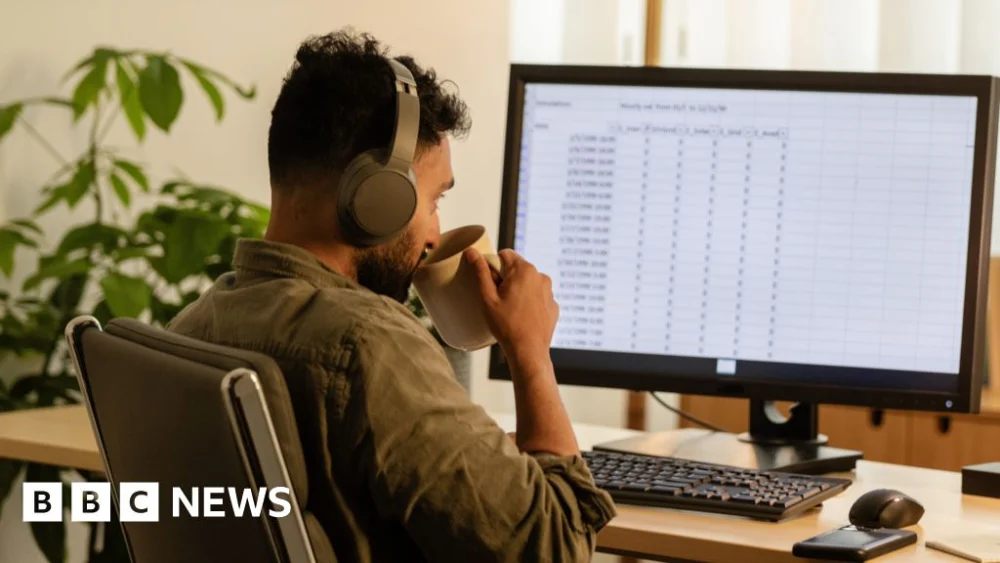
Despite its age, Excel’s ubiquity is undeniable. Research by Acuity Training reveals a staggering statistic: two-thirds of office workers utilize Excel at least once every hour. This enduring presence, according to Tom Wilkie, chief technology officer of data visualization firm Grafana, is partly due to its ingrained position within technology education. Alongside Word and PowerPoint, Excel remains a foundational tool taught to new generations of workers. Wilkie emphasizes its practical utility, stating, "Excel is just a really good tool. If you want to look at a small dataset, try an idea, or make a quick chart for a presentation, there’s nothing better for quick and easy analysis."
However, the true challenge, as highlighted by Professor Mark Whitehorn, emeritus professor of analytics at Dundee University, lies in the conflation of data processing with true data analysis and visualization. Whitehorn observes a pervasive pattern where data flows into spreadsheets within small departments, is manipulated through custom-built "macros" (automated sequences of instructions), and then "spits out the other end." The inherent fragility of these systems becomes apparent when the original architect of these macros departs, leaving colleagues without the knowledge to operate or maintain them. This lack of centralized control over data within an organization creates significant security vulnerabilities, hinders data mobility, and severely impedes the ability to conduct comprehensive analysis or feed data into AI systems.
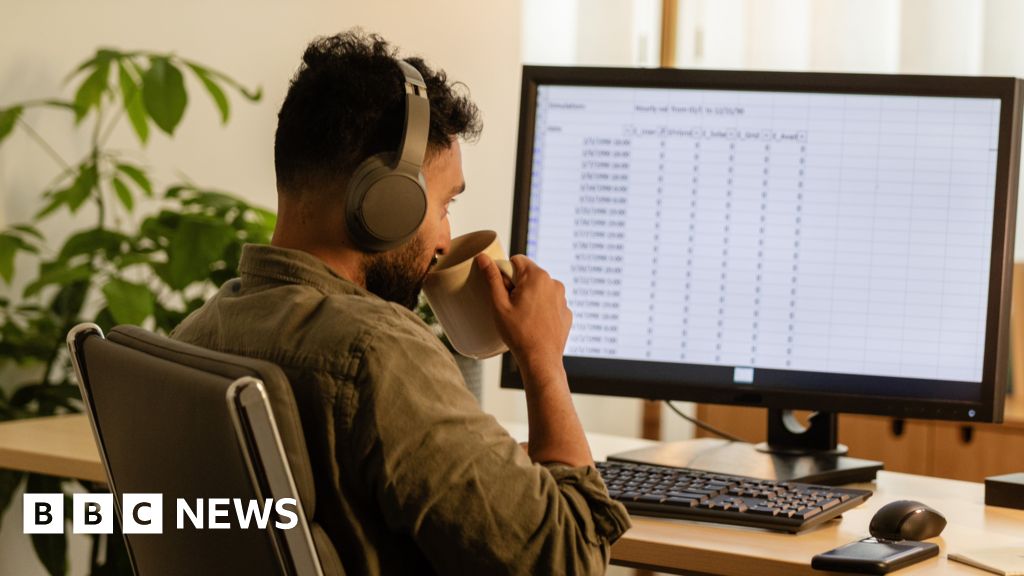
The consequences of this over-reliance on Excel can be severe, leading to critical operations being managed by precarious spreadsheets. Last year, Health New Zealand’s use of an Excel spreadsheet as its "primary data file" for financial performance management drew significant criticism. This approach proved to be a bottleneck for data collection and consolidation, resulting in discrepancies and errors, and preventing a real-time overview of financial health. Closer to home, in the UK, the recruitment process for anesthetists was thrown into disarray in 2023 due to spreadsheet-related confusion, and the notorious Afghan data scandal also stemmed from the inadvertent sharing of an Excel spreadsheet.
Despite these cautionary tales, transitioning teams and individuals away from Excel presents a formidable challenge. Moutie Wali, director of digital transformation and planning at Canadian telecommunications firm Telus, explains the difficulty for external vendors or tool providers to offer a universally applicable solution across diverse internal teams. Wali has spearheaded a significant initiative to migrate hundreds of employees from Excel to a bespoke planning system. The overarching goals are to streamline data integration and management, enhance automation, and embed AI capabilities. However, he encountered strong resistance, with many users preferring to retain their existing Excel setups and simply download information from the new system. Wali’s firm stance was to "absolutely not" allow the coexistence of spreadsheets with the new applications, enforcing a complete transition.
In defense of its enduring software, a Microsoft spokesperson asserts that Excel has evolved significantly over its four-decade history, transforming from a rudimentary spreadsheet into a versatile platform accessible to all. "It is more widely used today than ever before, with monthly usage growing consistently over the past six years, and remains the default tool for data analysis, modelling, and reporting across industries," the spokesperson stated.

The benefits of moving beyond Excel are not confined to large corporations. Kate Corden, who runs a bike fitting business, Hackney Bike Fit, manages two distinct data streams: personal customer information and details about bicycles. Despite her proficiency in Excel, honed during her corporate career as a business development manager, Corden acknowledges its inherent weaknesses. "It’s too easy to lose data. It’s easy for data to be altered," she laments. To address this, Corden transitioned to LinkSpace, a tool originally designed for case management but adaptable to complex workflows. She found it provided a "complete data management system where you’ve got everything, instead of having multiple excels, which is going to really help me as I grow."
The advantages of abandoning Excel can extend beyond mere data management efficiency. Julian Tanner, a PR executive and treasurer for a local charity, migrated the charity’s accounts from Excel to an online accounting package. This new system, which extracts data directly from invoices, leverages built-in AI to generate customized reports with a single click. This technological leap not only saved the charity over £6,000 annually by eliminating the need for a bookkeeper but also freed up valuable resources.
For larger enterprises, the move away from Excel promises a cascade of benefits, including optimized workflows and the aggregation of standardized data, which can then be seamlessly integrated into AI and machine learning systems. At Telus, beyond smoother data integration and accelerated planning cycles, Wali anticipates annual savings of C$42 million (approximately $30 million or £23 million) by rectifying misaligned capital expenditures, prompting other teams within the company to consider similar transitions.

Ultimately, this shift requires users to relinquish a degree of perceived control. Professor Whitehorn points out that individuals may express a desire to "take their data and do this," but clarifies that "It isn’t your data, it’s the company’s data." While complete eradication of Excel may be an unrealistic aspiration, Whitehorn suggests a future where the "boss key" might need to be reimagined to genuinely conceal spreadsheet usage, rather than merely mask it. The enduring allure of Excel, even in the age of advanced AI, lies in its familiarity and perceived simplicity, creating a powerful inertia that businesses and individuals must actively overcome to unlock the full potential of modern data management and analytical tools. The journey away from this ubiquitous software is not merely a technological upgrade but a fundamental shift in data governance and organizational mindset, essential for navigating the complexities of the digital future.




 George Anjay
 Nakalama John
 Ramos Leo
 Roy Suryo
 Nana Banana