
 Roy Suryo
Scotland’s resident doctors have averted a significant industrial action, with the British Medical Association (BMA) union announcing the suspension of a planned four-day strike and recommending its members accept a new pay offer from the Scottish government. The walkout, which had been scheduled to commence on Tuesday, would have marked the first national strike by NHS workers in Scotland. This decision follows a period of intense negotiations that ultimately led to a revised proposal addressing long-standing concerns over pay erosion and contractual issues.
The planned strike was a direct response to accusations that ministers had reneged on previous promises regarding pay. However, the breakthrough came after further high-level discussions, resulting in the BMA’s decision to put a fresh pay offer to its members, accompanied by a strong recommendation for acceptance. Health Secretary Neil Gray hailed the development as "great news," emphasizing that it would prevent considerable disruption to patient care, a concern shared by all parties involved.
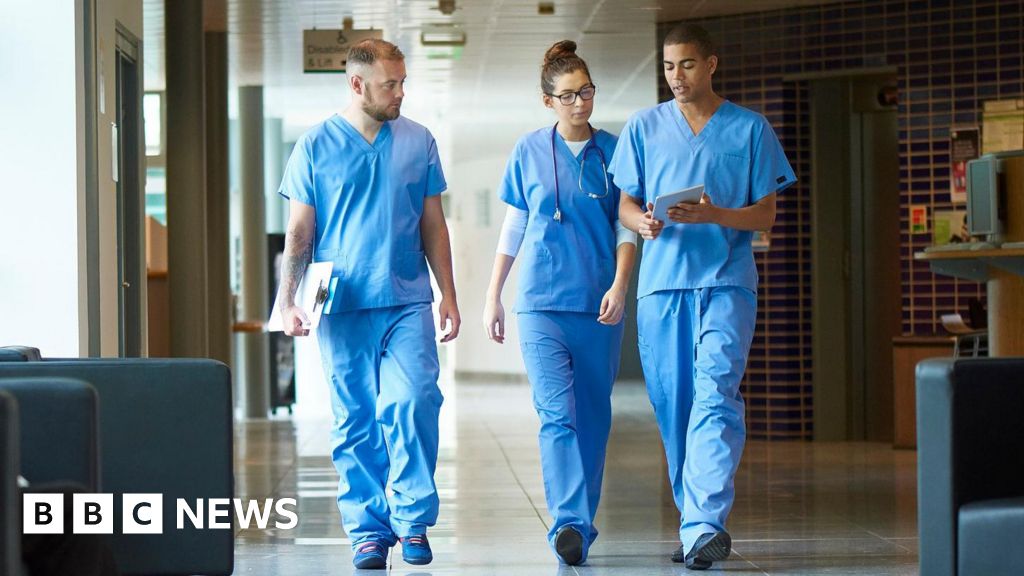
Resident doctors, formerly referred to as junior doctors, constitute a substantial portion of Scotland’s medical workforce, representing approximately 42% of all doctors. This group encompasses a broad spectrum of experience, from newly qualified practitioners to those with over a decade of service. The newly presented offer includes a pay rise of 4.25% for the 2025-26 financial year, followed by a further increase of 3.75% in 2026-27. This proposed pay settlement mirrors an agreement already reached with other NHS staff, including nurses, and addresses a deal that was previously rejected by the BMA last year.
Crucially, the current offer is augmented by a separate, significant package of contractual reform. This dual approach aims to provide a more comprehensive solution to the doctors’ grievances. Under the terms of the new deal, the basic pay for a newly qualified doctor is set to rise from £34,500 to £37,345 by the 2026/27 period. Similarly, experienced doctors with 10 years of service will see their basic pay increase from £71,549 to £77,387 over the same timeframe.
The BMA has indicated that the additional contractual investment package will facilitate the progression of all resident doctors in Scotland up the pay scale. This means that when considering both the direct pay increases and the contractual reforms, the overall offer is equivalent to an average end-of-year pay uplift of 9.9% for 2025/26 and 9.4% for 2026/27. The specific percentage increase will vary for individual resident doctors, depending on their current position within their career progression and pay scale.
Health Secretary Neil Gray stated that the agreement was the culmination of "days of intensive and constructive talks" between the Scottish government and the BMA. He further revealed that the total investment in this offer, encompassing both pay and contract reform over the two-year period, will amount to £133 million. Gray underscored the importance of this resolution in avoiding the "cancelled operations and disruption to patient care that no one, including resident doctors, wanted to see."
Dr. Chris Smith, Chair of the BMA Scotland’s resident doctors committee, characterized the decision to pursue strike action as a "last resort" for the union. He expressed optimism that the new offer would secure future improvements for medical staff. "Our view is the substantial investment proposed continues the progress made to reverse the pay erosion resident doctors have suffered since 2008," Dr. Smith stated. He elaborated that the new funding integrated into their contracts, if accepted, would "embed improvements for doctors for the future" and provide crucial momentum towards implementing a new contract for resident doctors, a key component of the 2023 agreement with the Scottish Government.
Dr. Smith further asserted that the deal represents "real progress" in rectifying the "historic wrong" of pay erosion experienced by medical staff over the past two decades. He acknowledged that the BMA had previously expressed concerns that the initial offer would have been the lowest in the UK and fell short of the recommendations made by the independent pay review body. However, speaking to BBC Scotland’s Lunchtime Live, Dr. Smith explained that the inclusion of contractual reform had now unlocked additional investment into the pay scales for resident doctors, thereby providing a more tangible financial benefit. He concluded that while considerable compromise was involved, the agreement "gets back to the principles of the 2023 deal that had been working for the NHS, for doctors and for patients."
Scotland has, until now, been the only part of the United Kingdom to avoid widespread strike action by NHS workers. A previous proposed strike by resident doctors in Scotland during the summer of 2023 was also called off at the eleventh hour following the agreement of a deal. This latest resolution means that patient care will remain unaffected by industrial action by this vital group of healthcare professionals.

From an analytical perspective, the resolution of this dispute was in the best interests of all stakeholders. Patients will be spared the anxiety and potential harm associated with cancelled appointments and procedures. Doctors, who had clearly viewed industrial action as a measure of last resort, have secured what they deem to be a significant step forward in addressing their pay and working conditions. The Scottish government, on the eve of presenting its draft budget, has avoided the highly visible and disruptive spectacle of NHS staff picketing outside the Scottish Parliament.
The intensive talks, which spanned the Christmas period, have resulted in a compromise that appears to center on the "sweetener" of contractual reform. This has unlocked an additional £130 million in investment for staff, a substantial sum given the government’s ongoing efforts to manage public sector pay bills effectively. However, the NHS remains a paramount priority for politicians and the public alike. The forthcoming budget is expected to detail further investment in critical health services, underscoring the continued commitment to the healthcare sector.
The agreement signifies a return to a collaborative approach, building upon the principles established in the 2023 deal. The BMA’s recommendation to accept the offer suggests a recognition that this package, while not perfect, represents a tangible improvement and a pathway to further progress. The avoidance of strike action is a welcome outcome, ensuring the continuity of care and maintaining the vital relationship between medical professionals and the government. The focus now shifts to the effective implementation of the new contract and the ongoing dialogue to ensure the long-term sustainability and fairness of the NHS in Scotland.




 Nakalama John
 atisusanti
 Ramos Leo
