
 George Anjay
As the wave of anti-government demonstrations in Iran intensifies and Iranian authorities issue increasingly stern warnings to protesters, harrowing accounts are emerging from medical professionals describing healthcare facilities pushed to their breaking point. Doctors and medics at two separate hospitals have told the BBC that their facilities are severely overwhelmed by a surge of injured individuals, many with critical wounds sustained during the unrest. One doctor detailed how an eye hospital in the capital, Tehran, has been forced into "crisis mode," while a separate message obtained by the BBC from a medic in another hospital conveyed a desperate shortage of surgeons capable of handling the influx of casualties.
These grim reports from the front lines of the protests coincide with heightened international scrutiny and warnings. On Friday, US President Donald Trump issued a stark message, stating that Iran was in "big trouble" and issued a direct threat: "you better not start shooting because we’ll start shooting too." In response, Iran, through a formal letter to the UN Security Council, has attempted to shift blame, accusing the United States of transforming the widespread public dissent into what it characterized as "violent subversive acts and widespread vandalism." Amidst this escalating diplomatic tension, international leaders have universally called for the protection of the fundamental right to peaceful protest, underscoring the gravity of the situation unfolding within Iran.
The anti-government protests, which have now spread to dozens of cities across Iran, have reportedly resulted in significant loss of life. Two prominent human rights groups have stated that at least 50 protesters have been killed, with casualty figures potentially higher. The ability to independently verify these numbers, and indeed much of the information emanating from Iran, is severely hampered by the near-total internet blackout imposed by the authorities since Thursday evening, a measure that has also restricted the reporting capabilities of the BBC and most other international news organizations.
A doctor from Iran, who managed to communicate with the BBC via Starlink satellite internet on Friday night, painted a stark picture of the situation at Farabi Hospital, Tehran’s primary eye specialist center. The doctor confirmed that the hospital had entered a state of crisis, with emergency services utterly overwhelmed. Reports indicated that non-urgent admissions and scheduled surgeries had been suspended, and medical staff were being recalled to assist with the overwhelming number of emergency cases. The severity of the injuries being treated is underscored by the accounts of gunshot wounds to the head and eyes, suggesting a brutal response to the demonstrations.
Further compounding these concerns, the BBC also obtained a video and audio message from a medic working in a hospital in the southwestern city of Shiraz on Thursday. This medic reported a massive influx of injured individuals, highlighting a critical deficit in the number of surgeons available to treat the wounded. The chilling claim that many of the injured presented with gunshot wounds to the head and eyes paints a grim picture of the violence being perpetrated against protesters.
The scale of the ongoing unrest is reflected in casualty figures released by human rights organizations. According to the US-based Human Rights Activist News Agency (HRANA), at least 50 protesters and 15 security personnel have lost their lives since the protests began on December 28. HRANA also reported that over 2,311 individuals have been arrested. The Norway-based Iran Human Rights (IHRNGO) has provided a slightly higher figure for protester deaths, stating at least 51 have been killed, including nine children. BBC Persian has independently spoken with the families of 22 of these individuals, confirming their identities and adding a human face to the tragic statistics.
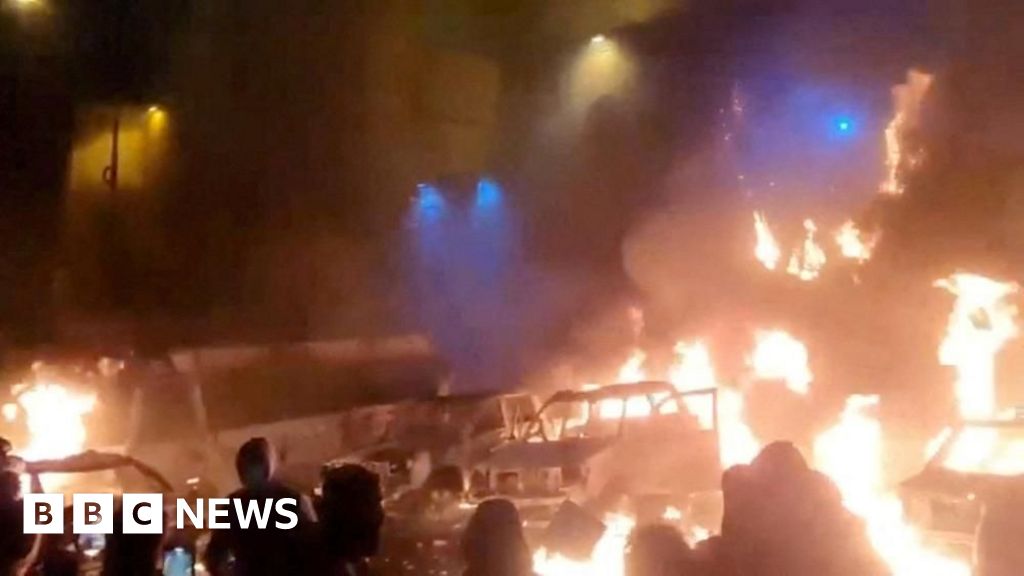
The international community’s response has been largely unified in its call for restraint and respect for human rights. Stéphane Dujarric, spokesperson for the United Nations Secretary-General, expressed the UN’s deep disturbance over the loss of life. "People anywhere in the world have a right to demonstrate peacefully, and governments have a responsibility to protect that right and to ensure that that right is respected," he stated. Echoing this sentiment, a joint statement was released by French President Emmanuel Macron, UK Prime Minister Sir Keir Starmer, and German Chancellor Friedrich Merz, emphasizing that "The Iranian authorities have the responsibility to protect their own population and must allow for the freedom of expression and peaceful assembly without fear of reprisal."
Within Iran, the leadership remains defiant. Supreme Leader Ayatollah Ali Khamenei, in a televised address on Friday, declared that "The Islamic Republic came to power through the blood of several hundred thousand honourable people and it will not back down in the face of those who deny this." Later, addressing a gathering of supporters, Khamenei reiterated this hardline stance, asserting that Iran "will not shirk from dealing with destructive elements." This rhetoric signals a determination to suppress the protests by any means necessary.
Iran’s UN ambassador, in a letter to the UN Security Council, accused the US of actively interfering in Iran’s internal affairs. The ambassador claimed that the US was using "threats, incitement, and the deliberate encouragement of instability and violence" to fuel the unrest, seeking to deflect international attention from the domestic challenges faced by the Iranian government.
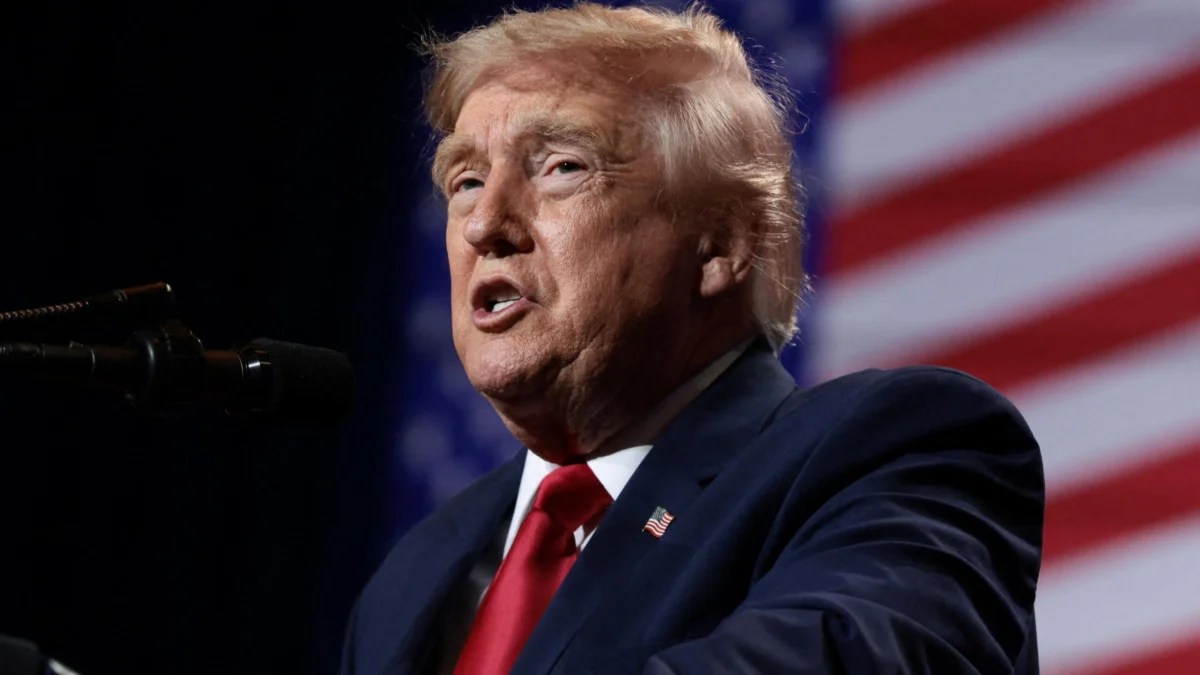
At the White House on Friday, President Trump maintained his focus on the situation in Iran, stating that his administration was monitoring developments closely. He observed, "It looks to me that the people are taking over certain cities that nobody thought were really possible just a few weeks ago." He reiterated his earlier warnings to Iran’s leadership, promising, "We will be hitting them very hard where it hurts." However, he clarified that any US involvement would not entail "boots on the ground." This statement follows up on an earlier warning he issued on Thursday, where he declared he would "hit them very hard" if they "start killing people."
Further amplifying the international condemnation, the US State Department responded to accusations by Iran’s Foreign Minister Abbas Araghchi, who had accused Israel and Washington of instigating the protests. A US State Department spokesperson dismissed Araghchi’s statement as a "delusional attempt to deflect from the massive challenges the Iranian regime faces at home." Meanwhile, early on Saturday, US Secretary of State Marco Rubio posted on X, stating, "The United States supports the brave people of Iran."
In a coordinated effort to quell the protests, Iranian security and judicial authorities issued a series of stern warnings on Friday. Their rhetoric hardened, echoing the earlier message of "no leniency" from Iran’s top security body, the Supreme National Security Council (SNSC). The SNSC declared that "decisive and necessary legal action will be taken" against protesters, whom they explicitly labeled as "armed vandals" and "disruptors of peace and security." The intelligence arm of Iran’s Islamic Revolution Guard Corps (IRGC) also issued a strong statement, asserting that it would not tolerate what it termed "terrorist acts" and pledging to continue its operations "until the complete defeat of the enemy’s plan." These pronouncements signal a clear intent by the Iranian authorities to escalate their crackdown on the ongoing demonstrations.



 Roy Suryo

 Nakalama John
 atisusanti
 Ramos Leo
