
 Ramos Leo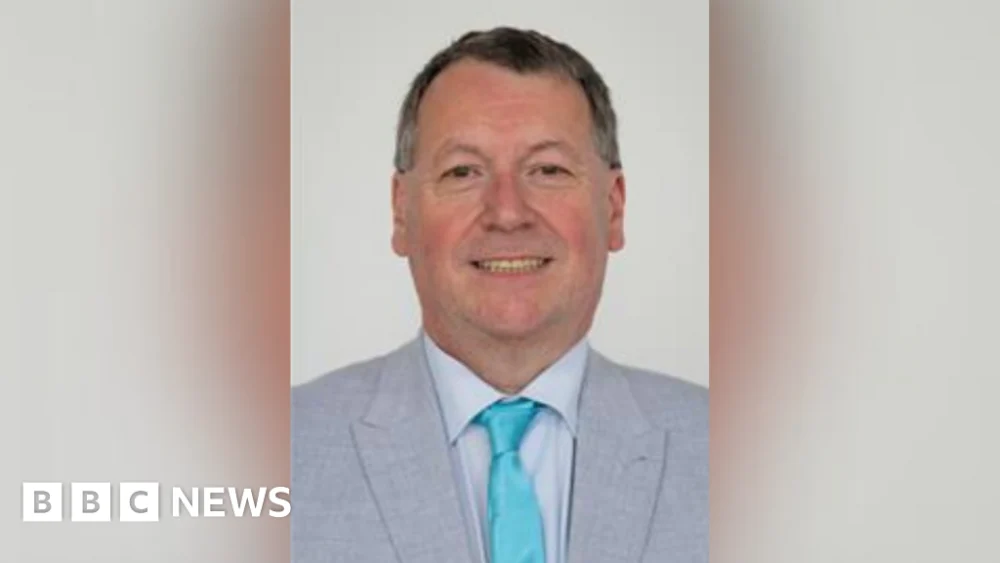
In a recording of the meeting, which has since been obtained and reviewed by the Local Democracy Reporting Service (LDRS), Abbott articulated fears that such practices could potentially lead to the radicalisation of children. His statements have drawn immediate and severe criticism, particularly from Labour county councillor Jewel Miah, who was present at the briefing. Miah unequivocally condemned Abbott’s remarks as prejudiced and has publicly called for his resignation, stating that his position is now untenable. The BBC has attempted to contact Councillor Abbott for further comment regarding the escalating situation.
During the sensitive meeting, designed to address strategies for preventing individuals from becoming terrorists or supporting terrorism, Abbott elaborated on his anxieties. He stated: "When I went to school, we went into assembly, we sang hymns and were taught the Christian way. It bothers me if the government is allowing this to be taught in school; does it not start the radicalisation of these children? Will we see a further increase in crimes, etc, as these children grow up?" He explicitly voiced his personal disagreement with the supposed practice, asserting that he was merely "expressing the concerns of his constituents" from the Stoney Stanton and Croft division, which he represents.
Councillor Jewel Miah, a Muslim himself, strongly challenged Abbott’s assertions during the briefing, drawing upon his own lived experience. "I’m 51 years old and remember praying in high school, and here I am," Miah countered. "A lot of my friends did as well. And I don’t think there’s anything that’s ever happened. I think yes, if people are going to go bad, they go bad, but you can’t tar a whole religion based on your prejudices." Abbott, in response, maintained that he was "not being prejudiced" or "tarring anyone," reiterating that he was simply conveying a concern he had heard "from his residents."
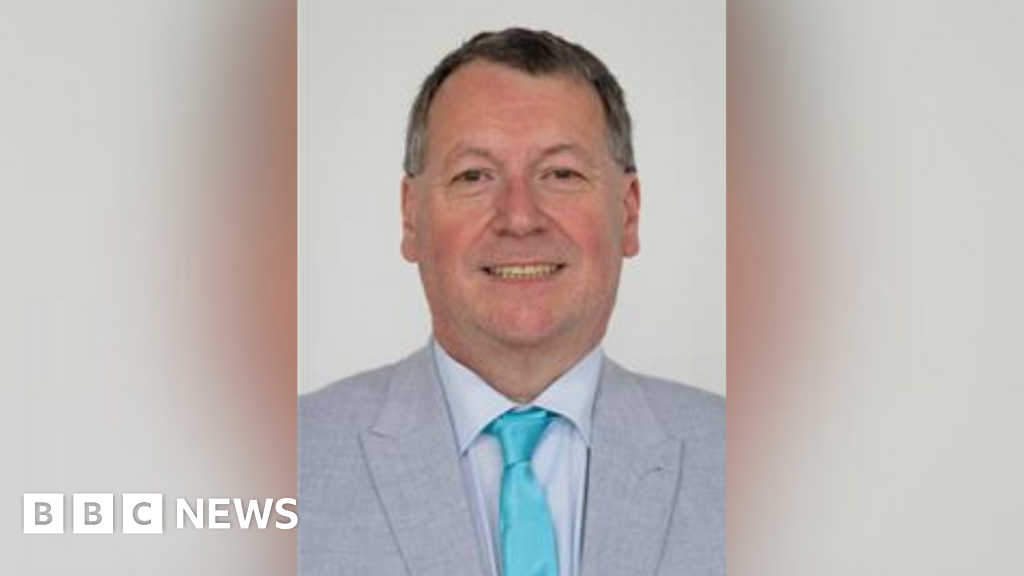
Speaking to the BBC after the meeting, Miah further elaborated on his demand for Abbott’s resignation from his cabinet role. "His position is untenable," Miah asserted. "What he is saying isn’t right and is not the type of thing we should be talking about. What we should be talking about is how we should be making the lives of our constituents better." He stressed the lack of factual basis for Abbott’s claims, adding, "These issues he talks about are simply not true. There is no evidence, and we should be talking about the biggest thing that affects them. That’s the cost of living and how we can improve that." Miah’s impassioned plea highlighted a fundamental disconnect between the councillor’s rhetoric and the pressing socio-economic challenges facing the community.
The condemnation extended beyond Councillor Miah, drawing sharp rebukes from other opposition leaders within the county council. Deborah Taylor, the Conservative county council opposition leader, issued a strong statement: "It is inappropriate to suggest that teaching children to pray in accordance with Muslim practice fosters extremism. Muslims are an integral and respected part of our communities. To assert that Muslim prayer is linked to extremism is divisive, deeply concerning, and entirely incompatible with the standards expected of public office. And we are hearing it from a very senior councillor now." Her comments underscored the severity of Abbott’s remarks, particularly given his prominent role in local governance.
Naomi Bottomley, the Green Party county councillor, went further, explicitly labeling Abbott’s comments as "deeply Islamophobic and dangerous." She told the BBC: "Linking Muslim prayer or the teaching of Islam to crime or extremism is deeply Islamophobic and dangerous. It is frankly absurd to suggest that children learning about different religions is something to fear. Education builds understanding, not extremism." Bottomley also raised critical questions about the implications of Abbott’s portfolio: "Coming from a councillor responsible for adult social care, these remarks raise serious concerns about whether Muslim residents can expect fair and respectful treatment." This highlights how such rhetoric from a public official can erode trust and create an environment of apprehension among specific community groups.
In stark contrast to the widespread criticism, a spokesperson for Reform UK, Abbott’s political party, offered an unequivocal endorsement of his statements. "Councillor Abbott is absolutely correct. Britain is and remains a Christian country," the spokesperson told the BBC. "He speaks on behalf of millions who are rightly alarmed by the rapid, unchecked transformation of our culture and values driven by successive Tory and Labour governments’ obsessions with mass immigration." This party line suggests that Abbott’s comments are not an isolated incident but rather align with a broader ideological stance on national identity, religion, and immigration, potentially aimed at a specific segment of the electorate.
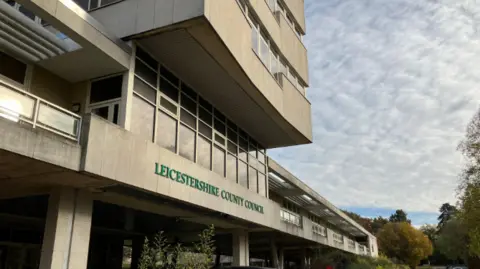
When approached for comment on the unfolding controversy, a spokesperson for Leicestershire County Council stated that the authority would not be commenting on the issue. This official silence leaves many questions unanswered and provides little clarity on how the council intends to address the fallout from a senior member’s controversial remarks, especially in the context of a briefing specifically designed to address counter-terrorism and community cohesion.
The incident casts a spotlight on the delicate balance of religious freedom, cultural integration, and counter-terrorism efforts within the UK, particularly concerning the Prevent strategy. Prevent, one of the four elements of the government’s wider CONTEST counter-terrorism strategy, aims to stop people from becoming terrorists or supporting terrorism. It is designed to safeguard vulnerable individuals from radicalisation by intervening early and providing support. However, the strategy has faced persistent criticism, particularly from some Muslim community groups and civil liberties advocates, who argue that it disproportionately targets Muslim communities, fosters suspicion, and can lead to over-surveillance and a chilling effect on legitimate political or religious expression. Councillor Abbott’s comments, made within such a briefing, risk reinforcing these existing concerns and undermining the very trust that Prevent aims to build within diverse communities.
Furthermore, the councillor’s remarks touch upon the role of religion in primary schools, a topic that has evolved significantly in the UK. Unlike the past where Christian assemblies and hymns were standard, modern UK education policy encourages schools to provide a broad and balanced Religious Education (RE) curriculum that includes teaching about various world religions, not just Christianity. This approach aims to foster understanding, respect, and critical thinking about different beliefs and cultures. While schools may offer multi-faith prayer spaces or facilitate voluntary prayer groups for students of different faiths, the idea of "children being taught to pray the Muslim way" as a compulsory or indoctrinating practice in non-faith primary schools is generally a misrepresentation of current educational guidelines. Such mischaracterisations can fuel baseless anxieties and prejudice.
The implications of Councillor Abbott’s comments are far-reaching. For public trust, especially among Leicestershire’s diverse Muslim residents, such statements from a cabinet member responsible for adult social care – a portfolio that inherently requires empathy and understanding across all demographics – can be deeply damaging. They risk alienating a significant portion of the population and fostering a sense of being unfairly targeted and misunderstood. Inter-community relations, already under strain in some areas, could be further exacerbated by divisive rhetoric that links an entire religion to radicalisation and crime without evidence.
From a governance perspective, the suitability of a public official holding a senior role after making such contentious remarks becomes a central question. Opponents argue that his views demonstrate a lack of cultural sensitivity and an inability to represent all constituents fairly, making his position untenable. For Reform UK, the party’s full backing of Abbott’s statements signals a clear stance on cultural and immigration issues, potentially appealing to a base that shares similar anxieties while simultaneously drawing the ire of those who advocate for inclusivity and religious pluralism.
Ultimately, the controversy surrounding Carl Abbott’s comments underscores a wider societal debate about religious freedom, cultural identity, and the pervasive issue of Islamophobia. The strong condemnation from across the political spectrum (with the notable exception of his own party) highlights the perceived danger of such rhetoric. The incident serves as a stark reminder of the responsibility that comes with public office, particularly when addressing sensitive topics that directly impact the cohesion and well-being of diverse communities. The council’s silence, coupled with the unaddressed concerns about prejudice and the call for resignation, ensures that this contentious issue will likely continue to reverberate throughout Leicestershire’s political and social landscape.

 George Anjay
 Nakalama John
 atisusanti
 Roy Suryo
 Nana Banana