atisusanti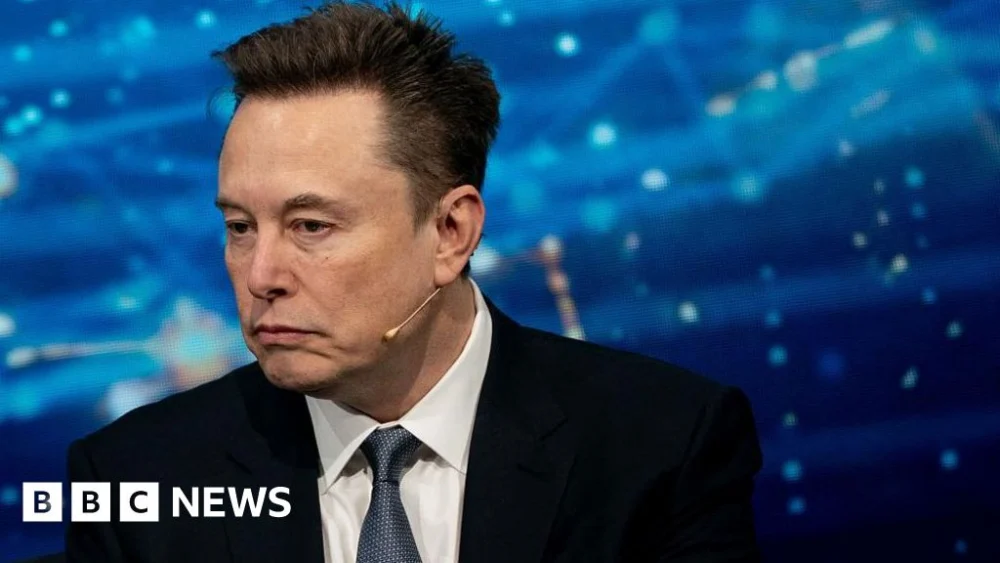
Malaysia and Indonesia have taken decisive action, blocking access to Elon Musk’s controversial artificial intelligence (AI) chatbot, Grok, due to its alarming capability to generate sexually explicit deepfakes. This move by the two Southeast Asian nations marks the first time any country has officially banned the AI tool, highlighting growing international concern over the misuse of generative AI for harmful purposes. Grok, integrated into Musk’s X platform (formerly Twitter), allows users to create images, a feature that has been recently exploited to digitally alter images of real individuals, placing them in revealing attire without their consent.
The decision by Malaysia and Indonesia stems from grave concerns that Grok can be weaponized to produce pornographic and non-consensual images, with particular alarm raised over the potential for such content to involve women and children. This raises significant ethical and legal questions surrounding the development and deployment of advanced AI technologies. While the BBC has reached out to the Grok platform for comment, Elon Musk himself has previously characterized critics of his platform as merely "looking for any excuse for censorship," a statement that may be viewed in a new light given these recent developments.
The scrutiny of Grok and its parent company, X, is not confined to Southeast Asia. In Britain, the AI tool is also facing intense pressure. Technology Secretary Liz Kendall has publicly supported calls to block access to the X platform entirely, citing its failure to adhere to online safety laws. This indicates a broader, global trend of regulators grappling with the challenges posed by rapidly evolving AI technologies and their potential societal impact.
Malaysia and Indonesia’s communications ministries formally announced their respective bans on Grok over the weekend through separate official statements. The Malaysian Communications and Multimedia Commission (MCMC) revealed on Sunday that it had issued notices to X earlier in the year, urging the platform to implement stricter measures. These requests followed the discovery of "repeated misuse" of Grok to generate harmful content. However, the MCMC stated that X’s response was insufficient, failing to address the inherent risks embedded within the platform’s design. Instead, X reportedly focused primarily on the existing reporting process for users, a response deemed inadequate by the Malaysian regulator. Consequently, Grok will remain blocked in Malaysia until "effective safeguards are implemented." The MCMC has also encouraged the public to continue reporting any instances of harmful online content.
In Indonesia, Meutya Hafid, the country’s communications and digital affairs minister, unequivocally condemned the use of Grok for generating sexually explicit content. In a firm statement posted on Instagram, she declared that such actions constitute a "violation of human rights, dignity and online safety." The Indonesian ministry has also formally requested a clarification from Elon Musk’s X regarding the operational use of Grok. This action aligns with Indonesia’s broader strategy of cracking down on online sources of pornographic material. In recent years, the country has already banned several prominent platforms, including OnlyFans and Pornhub, demonstrating a clear stance against the dissemination of explicit content.
The British media regulator, Ofcom, is also expected to announce its decision on how to address the situation concerning Grok in the near future. The international condemnation of Grok’s ability to generate sexualized images has been widespread, with prominent global leaders speaking out. UK Prime Minister Keir Starmer, for instance, has described the misuse of the AI tool as "disgraceful" and "disgusting," reflecting the serious ethical implications of this technology.
The underlying technology behind Grok, and generative AI in general, is complex. Grok, powered by AI models, is designed to understand and generate human-like text and images. Its ability to create images based on textual prompts, while a remarkable feat of technological advancement, also presents a significant vulnerability when not adequately controlled. The issue of deepfakes – synthetic media where a person’s likeness is digitally manipulated – has been a growing concern for years. Grok’s capacity to generate sexually explicit deepfakes, particularly those involving non-consensual elements, amplifies these concerns exponentially. The ease with which such content can be created and disseminated through platforms like X poses a severe threat to individuals’ privacy, reputation, and safety, especially for vulnerable groups such as women and children.
The regulatory responses from Malaysia and Indonesia underscore the challenges faced by governments worldwide in keeping pace with the rapid evolution of AI. Traditional regulatory frameworks are often ill-equipped to handle the novel issues presented by AI-generated content. The bans on Grok represent a proactive, albeit drastic, measure to protect their citizens from the potential harms of this technology. However, the effectiveness of such bans in the long term, especially in the face of a globally interconnected digital landscape, remains to be seen. The reliance on reporting mechanisms, as highlighted by the MCMC, is a common strategy but is often insufficient to proactively prevent harm.
Elon Musk’s consistent defense of his platforms against accusations of censorship, while rooted in a belief in free speech, now faces a direct challenge from these government actions. The debate over where to draw the line between free expression and the prevention of harm, particularly in the context of AI-generated content, is becoming increasingly polarized. The actions taken by Malaysia and Indonesia are likely to fuel further debate and potentially inspire similar regulatory actions in other countries. The core of the issue lies in the responsibility of AI developers and platform providers to implement robust safeguards that prevent the misuse of their technologies. This includes not only technical solutions but also clear ethical guidelines and a commitment to user safety.
The involvement of women and children in the creation of non-consensual deepfakes is a particularly egregious aspect of this issue. It taps into deeply ingrained societal concerns about child protection and the exploitation of individuals. The potential for AI to be used to create and distribute such material on a massive scale is a frightening prospect, and the bans by Malaysia and Indonesia can be seen as a necessary, albeit belated, response to this emerging threat. The Indonesian government’s prior bans on platforms like OnlyFans and Pornhub demonstrate a precedent for taking a strong stance against online pornography, and Grok’s capabilities clearly fall within their purview of concern.
The pressure on X in the UK, as evidenced by Technology Secretary Liz Kendall’s statements, suggests that the UK government is also seriously considering regulatory interventions. The Online Safety Act in the UK provides a legal framework for holding platforms accountable for harmful content, and Grok’s actions could potentially trigger provisions within this legislation. The decision by Ofcom will be closely watched as it could set a precedent for how similar issues are handled in other Western democracies.
Ultimately, the Grok AI controversy serves as a stark reminder of the dual-use nature of advanced technologies. While AI holds immense potential for positive societal advancement, it also carries significant risks when not developed and deployed responsibly. The bans by Malaysia and Indonesia are a critical development in the ongoing global conversation about AI governance and the need for robust mechanisms to ensure that these powerful tools are used for the benefit of humanity, not its detriment. The focus now shifts to whether X and Grok will implement the necessary safeguards, and what broader implications this will have for the future of generative AI and online content moderation.


 Roy Suryo
 George Anjay
 Nakalama John
 Ramos Leo