
 Roy Suryo
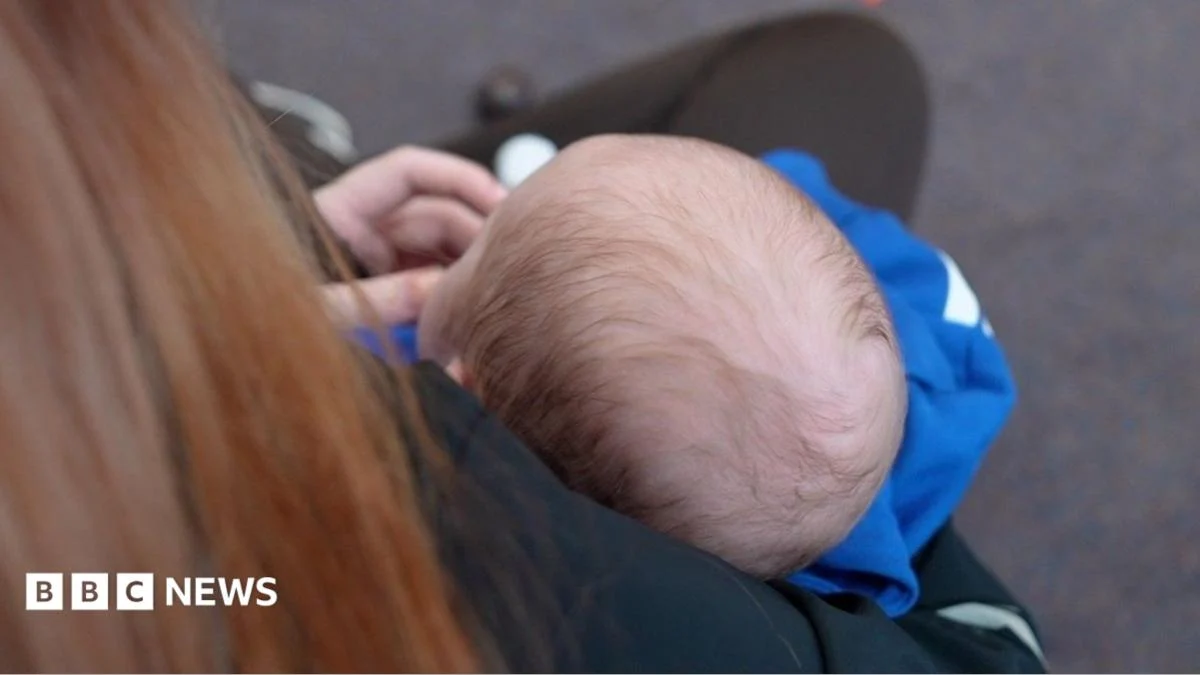
A beacon of hope for mothers navigating the often-overwhelming landscape of postpartum mental health challenges in Cumbria, The Happy Mums Foundation, has secured a vital lifeline, announcing its "absolute thrill" at receiving a combined total of £70,000 in grants. This substantial financial injection will ensure the continued operation of its invaluable in-person wellbeing groups, a service that has become indispensable for over a thousand families across the county since its inception in 2015. The recent news marks a significant reprieve for the organisation, which just last month sounded the alarm about the perilous threat to these crucial face-to-face support networks due to mounting funding pressures.
The averted crisis, which had cast a shadow of uncertainty over the future of these vital groups, has been dispelled by the generous contributions of both the Postcode Lottery and the National Lottery. Director Lucinda Bray expressed profound relief and gratitude, stating that the immediate risk has been "lifted" and that "we can keep supporting mums." This news comes as a profound comfort to the many women who rely on these groups for connection, understanding, and a safe space to navigate the complexities of early motherhood.
Prior to this crucial funding, The Happy Mums Foundation had been grappling with the stark reality of potentially transitioning its in-person peer support groups to an online format. This was a prospect that Director Bray had previously articulated as deeply concerning, warning the BBC that the loss of these "real world safe spaces" could have a detrimental and exacerbating effect on the mental health of vulnerable women across Cumbria. Her impassioned plea highlighted the critical importance of physical presence and shared experience in fostering genuine connection and providing essential emotional outlets.
Bray’s concerns were rooted in the profound impact these in-person interactions have on the mental wellbeing of new mothers. She poignantly explained that the ability to openly discuss even the most difficult and potentially distressing thoughts, such as suicidal ideation, within a supportive and non-judgmental environment, is not a sign of distress, but rather a powerful "preventative factor." The absence of such safe havens, she argued, leaves mothers without an outlet, raising the stark question: "If that doesn’t have an outlet and you don’t have a safe space to talk about those things, where might they go?" This rhetorical question underscored the potential for isolation and the escalation of mental health issues when support is withdrawn or altered in its delivery.
The awarding of £50,000 from the Postcode Lottery and £20,000 from the National Lottery has provided the necessary financial stability to continue offering these invaluable in-person services. Bray’s reiteration of her "absolute thrill" encapsulates the immense relief felt by the entire organisation and, more importantly, by the mothers who benefit from their support. She further elaborated on the implications of this funding, stating, "It means that we can continue the groups we are running and we can continue working on ways to make our organisation more sustainable for the future." This forward-looking perspective indicates a commitment not only to immediate needs but also to building a resilient foundation for the long-term success of The Happy Mums Foundation.
The impact of The Happy Mums Foundation extends far beyond the immediate relief of securing funding. Since its establishment in 2015, the organisation has cultivated a reputation for providing a vital support system for women experiencing postpartum mental health challenges. This includes conditions such as postnatal depression, anxiety, and the often-stigmatised feelings of isolation and inadequacy that can accompany new motherhood. The foundation’s approach is deeply rooted in the power of peer support, recognizing that shared experiences and empathetic understanding from women who have traversed similar journeys can be profoundly healing.
In-person groups offer a unique and irreplaceable element of connection. The physical act of gathering, sharing space, and engaging in face-to-face conversations fosters a sense of belonging and community that is difficult to replicate online. For mothers who may be experiencing significant social isolation due to the demands of caring for a newborn, these groups provide an opportunity to connect with other adults, share their struggles and triumphs, and build a network of support that can extend beyond the structured meeting times. This can be particularly crucial for women who may feel embarrassed or ashamed to discuss their mental health challenges with friends or family, or who may not have a strong existing support network.
The foundation’s work is not merely about providing a listening ear; it’s about empowering mothers with coping mechanisms, offering practical advice, and normalizing the often-unpredictable emotional rollercoaster of the postpartum period. By creating a safe and confidential space, The Happy Mums Foundation encourages open and honest dialogue, breaking down the stigma surrounding maternal mental health. This is where the significance of discussing difficult topics, such as suicidal thoughts, becomes apparent. When mothers feel safe enough to voice these fears, it allows for early intervention, the provision of resources, and the prevention of potentially tragic outcomes. The absence of such outlets can lead to a dangerous descent into isolation and despair, where such thoughts can fester and become overwhelming.
The grants from the Postcode Lottery and the National Lottery represent a significant investment in the mental wellbeing of mothers in Cumbria. This funding will enable The Happy Mums Foundation to continue offering its established group sessions, which are often facilitated by trained volunteers and professionals who understand the nuances of postpartum mental health. These sessions typically involve a combination of sharing circles, educational components, and mindfulness activities, all designed to promote emotional resilience and overall wellbeing.
Furthermore, the commitment to "continue working on ways to make our organisation more sustainable for the future" is a testament to the foundation’s long-term vision. This could involve exploring diverse funding streams, developing partnerships with local health services, and potentially expanding their reach to underserved areas within Cumbria. The goal is to ensure that the support provided by The Happy Mums Foundation is not a temporary fix but a sustainable and enduring resource for generations of mothers to come.
The success of The Happy Mums Foundation in securing this funding is a powerful reminder of the importance of supporting grassroots organisations that address critical societal needs. The challenges faced by new mothers are often underestimated, and the impact of postpartum mental health issues can be far-reaching, affecting not only the mother but also her child and the wider family unit. By investing in services like those provided by The Happy Mums Foundation, communities are investing in the health and happiness of their future generations. The relief and renewed hope that this funding brings are immeasurable, allowing The Happy Mums Foundation to continue its vital work in fostering a supportive and nurturing environment for mothers across Cumbria, ensuring that no mother has to navigate the complexities of postpartum life alone.

 Nana Banana

 George Anjay

 Nakalama John

 atisusanti

 Ramos Leo
