
 Ramos Leo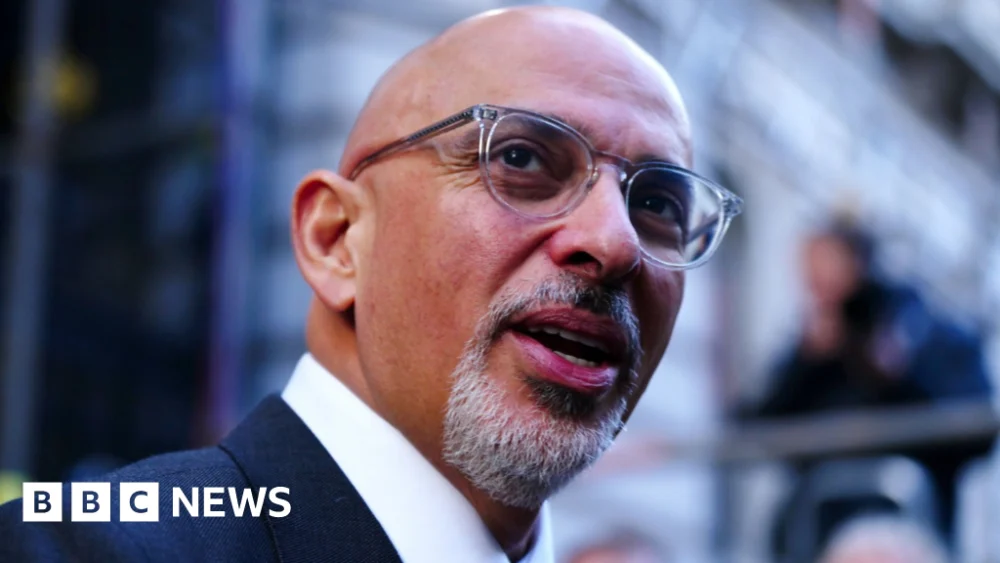
In a seismic shift that reverberated through Westminster, former Conservative chancellor Nadhim Zahawi announced his defection to Reform UK on Monday, dealing a significant blow to the struggling Conservative Party just months ahead of an anticipated general election. The dramatic move was revealed by Reform UK leader Nigel Farage at a highly anticipated press conference, where Zahawi stood alongside him, outlining his reasons for abandoning the party he had served as a Member of Parliament and senior minister for over a decade.
Zahawi, who held the crucial position of Chancellor of the Exchequer for a brief but eventful period under Boris Johnson, stated that he felt the United Kingdom had arrived at a "dark and dangerous" juncture. He passionately argued that the nation required nothing less than "a glorious revolution," a sentiment deeply aligned with Reform UK’s populist and anti-establishment rhetoric. His defection marks the most high-profile departure from the Conservative benches to Reform UK to date, underscoring the deep ideological fractures and growing disquiet within the governing party.
In a speech delivered to a gathering of Reform supporters, Zahawi elaborated on the specific grievances that had propelled his decision. He pointed to perceived threats to free speech, lamenting restrictions "on X or even just down the pub," a common refrain among those critical of contemporary cultural and political discourse. Furthermore, he decried the plight of individuals striving to earn a living "without getting ground into the dirt" by what he characterized as excessive taxation, a core policy area for Reform UK which advocates for significant tax cuts and a smaller state. These statements painted a picture of a politician disillusioned with the direction of the Conservative Party and convinced that only a radical alternative could address the nation’s challenges.
Nadhim Zahawi’s political career has been one of considerable ascent, marked by a rapid rise through the ministerial ranks. A co-founder of the successful polling firm YouGov, his background in business often informed his political philosophy. First elected as MP for Stratford-on-Avon in 2010, he quickly established himself as a prominent voice on economic and educational matters. His ministerial journey began in 2018 as a junior minister for children and families. He later served as Parliamentary Under-Secretary of State for COVID-19 Vaccine Deployment, a critical role during the pandemic where he oversaw the UK’s rapid and widely praised vaccine rollout programme, earning him considerable public recognition and bolstering his profile within the party.
His elevation to Secretary of State for Education in September 2021 was seen as a testament to his ability to deliver on complex portfolios. During his tenure, he grappled with the ongoing challenges of post-pandemic education recovery, including addressing learning loss and mental health issues among students. His time at the Department for Education was generally viewed as stable, contrasting with the turbulent periods experienced by some of his predecessors. However, it was his brief two-month stint as Chancellor of the Exchequer in July and August 2022 that brought him to the pinnacle of financial power, albeit during the tumultuous final days of Boris Johnson’s premiership. He was appointed Chancellor amidst a wave of resignations that ultimately led to Johnson’s downfall, inheriting an economy grappling with soaring inflation and a looming cost of living crisis.
Beyond his time at the Treasury and Education, Zahawi also held significant party and government roles, including Chancellor of the Duchy of Lancaster and Chairman of the Conservative Party. The latter position, which he assumed in September 2022 under Liz Truss and continued into Rishi Sunak’s premiership, placed him at the heart of the party’s campaigning and organizational efforts. However, this period was overshadowed by revelations concerning his tax affairs, which ultimately led to his dismissal from government.
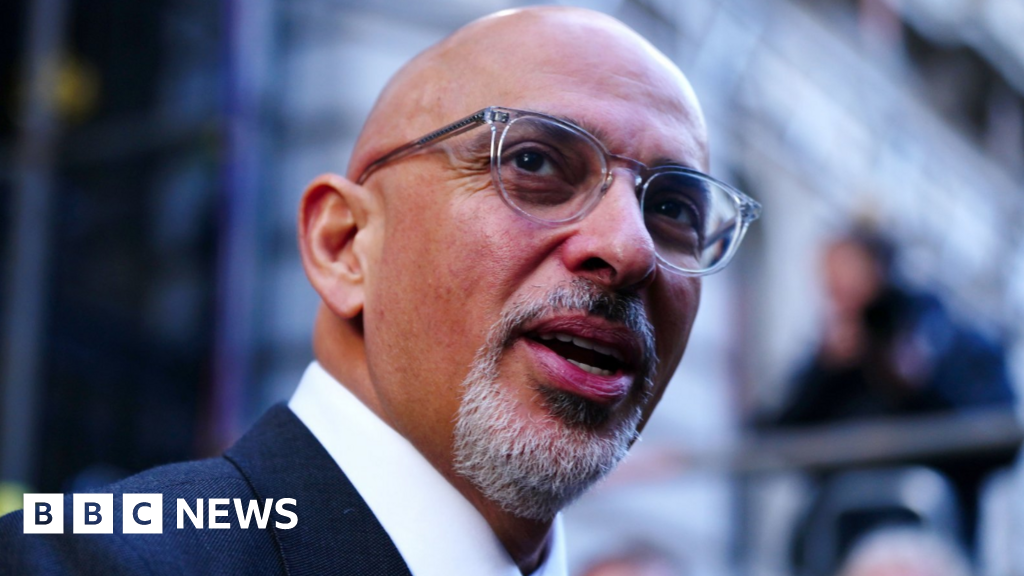
The scandal surrounding his tax affairs proved to be a critical turning point in Zahawi’s Conservative career. In January 2023, he was sacked as Conservative Party Chairman by Prime Minister Rishi Sunak after an independent ethics adviser concluded that Zahawi had breached the Ministerial Code. The investigation revealed that Zahawi had failed to declare that his tax affairs were under scrutiny by HMRC (Her Majesty’s Revenue and Customs). The controversy stemmed from a dispute over a tax settlement, reportedly involving a significant sum and penalties, related to shares in YouGov. The ethics adviser’s report highlighted a failure of transparency and a lack of diligence in declaring potential conflicts of interest, casting a shadow over his integrity.
When questioned by the BBC about the circumstances of his dismissal, Zahawi reiterated his position, stating: "The mistake I made was not to be specific about my declarations to the Cabinet Office." He further asserted, "I absolutely think that politicians should be held to a higher level of accountability but I shouldn’t be precluded from doing the right thing by my country." This defence, emphasizing an administrative oversight rather than deliberate wrongdoing, attempts to separate his past conduct from his current conviction to serve the public through Reform UK. However, for many critics, the episode exemplified a broader erosion of trust in political figures.
Zahawi’s ambition to lead the Conservative Party was evident in his 2022 leadership bid following Boris Johnson’s resignation. He entered the crowded field, presenting himself as a candidate who could unite the party and deliver economic stability. However, his campaign failed to gain significant traction, attracting the support of only 25 of his parliamentary colleagues and leading to his elimination in the first round of voting. The contest was eventually won by Liz Truss, whose short-lived premiership further destabilized the party. This experience may have contributed to a sense of political isolation or disillusionment with the Conservative Party’s direction and its ability to embrace different visions.
Zahawi’s defection carries profound implications for both the Conservative Party and Reform UK, and indeed for the wider British political landscape as a general election draws nearer. For the Conservatives, it represents a significant symbolic blow. The departure of a former Chancellor, a position of immense prestige and responsibility, sends a powerful message of internal disunity and a failure to retain key figures. It reinforces the narrative of a party in disarray, struggling to hold onto its traditional base and stem the flow of talent and support to rival right-wing factions. This public split could further erode voter confidence, particularly among those who feel the Conservatives have drifted too far from their core principles or have become ineffective in government. It also adds pressure on Prime Minister Rishi Sunak, whose authority is already being tested by low poll numbers and internal dissent.
For Reform UK, Zahawi’s arrival is a considerable coup. It lends an air of legitimacy and gravitas to a party often characterized as a protest movement or a vehicle for Nigel Farage’s personal brand. Having a former Cabinet minister, and specifically a former Chancellor, join their ranks suggests that Reform UK is attracting individuals with significant governmental experience and a more mainstream political pedigree. This could help the party shed some of its fringe image and appeal to a broader segment of disillusioned Conservative voters, who might previously have been hesitant to support a party without established political figures. It also validates Farage’s strategy of positioning Reform UK as the true voice of the right, ready to challenge the perceived failures of the establishment. The defection could energize Reform UK’s membership and volunteers, potentially boosting fundraising efforts and media attention ahead of the election.
More broadly, this defection highlights the intensifying ideological struggle within the British right. Reform UK’s populist platform, with its strong stance on immigration, lower taxes, and cultural conservatism, is directly challenging the Conservative Party’s ability to maintain its broad electoral coalition. Zahawi’s embrace of Reform’s "glorious revolution" rhetoric underscores a growing sentiment among some on the right that the Conservative Party has become too centrist, too cautious, or too beholden to policies they deem un-Conservative. The prospect of a significant split in the right-wing vote could have serious consequences for the upcoming general election, potentially paving the way for a comfortable Labour victory by fragmenting the opposition. Political analysts will be closely watching whether Zahawi’s move is an isolated incident or the precursor to further defections as the election campaign heats up, further reshaping the contours of British politics.



 Nakalama John
 atisusanti
 Roy Suryo
 Nana Banana
 George Anjay