Roy Suryo
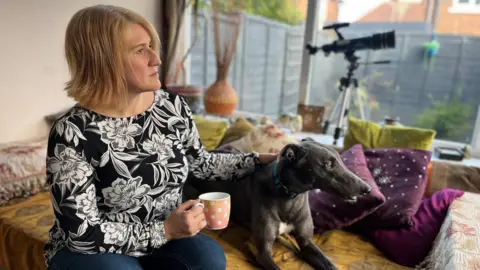
Three mothers, united by the devastating loss of their teenage sons to drug addiction, have implored the nation to create "safe spaces" for young people battling substance abuse, arguing that the current system has catastrophically failed their children. Anita Morris, Nicola Howarth, and Kate Roux shared their harrowing experiences with the BBC as part of a comprehensive investigation into the shortcomings of drug treatment services for adolescents. Their testimonies underscore a critical gap in care, revealing stark disparities in community support and a severe dearth of state-funded residential facilities for individuals under 18. The investigation’s analysis highlights a deeply concerning trend: over half of the 16,000 children who sought drug and alcohol treatment in the past year were aged 15 or younger, a figure that has seen a 13% increase in the 2024-25 period alone. Despite this surge in demand, experts and heartbroken families alike assert that many young individuals are not receiving the life-saving help they desperately need, a situation exacerbated by inconsistent community care, strategic planning gaps, and a critical shortage of beds for those in acute crisis.
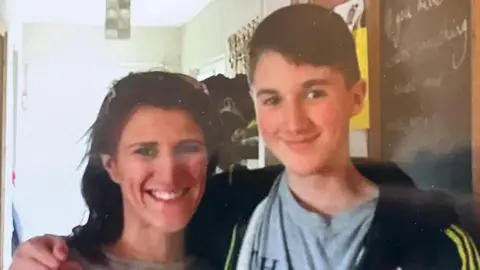
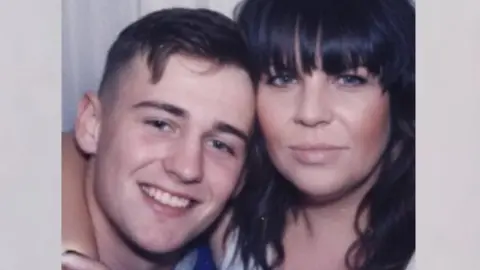
Will Haydock, CEO of the drugs charity Collective Voice, echoed the mothers’ urgent calls for a unified national strategy to combat this escalating crisis. His sentiment resonates deeply with Anita, Nicola, and Kate, whose sons – Olly Barnett, Alfie Nichol-Brown, and Ben Nelson-Roux – represent a tragic trio of lives cut short by addiction. Though they never met, these mothers share the profound pain of witnessing their children’s descent into addiction and the exhausting, years-long struggle to secure adequate support. Anita, whose son Olly died at the tender age of 17, articulated the desperate need for specialized care: "We need safe spaces for children buying £1 tablets off the street and developing addictions. We need places for them to get off drugs with proper support, where they’re safe and their parents aren’t watching them in agony, wondering if they’ll die in their bedroom."
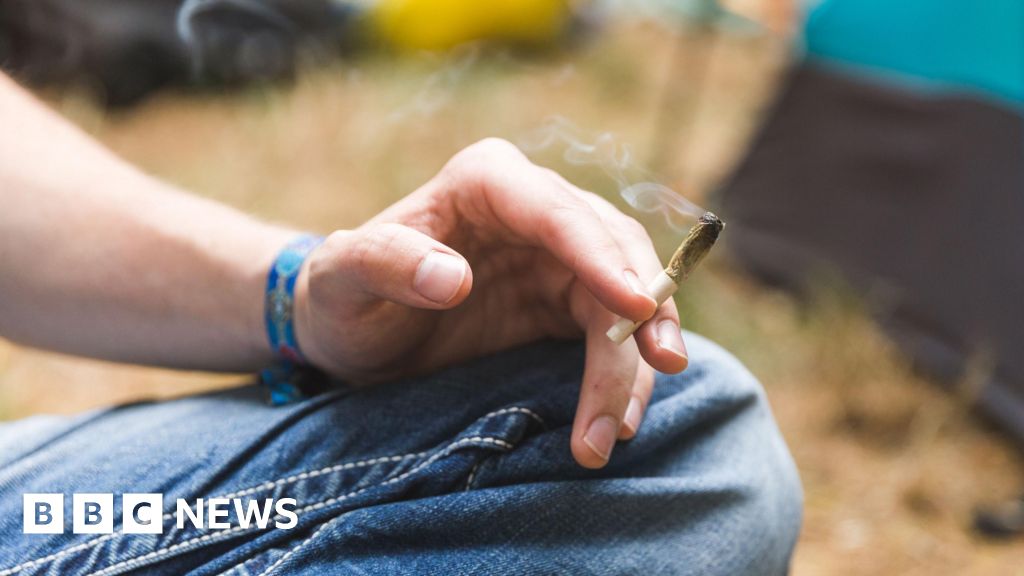
While the vast majority of young people receive treatment within their communities and do not require residential care, the options for those who do are alarmingly limited. The BBC’s investigation has uncovered that there are no state-run specialist residential facilities for under-18s anywhere in the UK, and only a handful of beds are available in costly private establishments. Experts have warned that evolving drug trends, including a significant rise in the use of ketamine and solvents, are increasing the demand for highly specialized care. In the 2024-25 period, cannabis remained the most prevalent substance among young people in treatment, cited as a problem by 86% of them.

The responsibility for drug treatment rests with local councils, tasked with funding and coordinating services. Olly, Ben, and Alfie all received community-based support through a fragmented network of services, including social services, the NHS, and various local drug organizations. Each of their mothers lamented the severe lack of collaboration between these agencies and the outright impossibility of securing residential treatment for their sons. Anita recounted the immense burden of managing Olly’s detoxification at home, stating, "I was told there was nowhere for him to be sent, no detox ward, no in-patient service. I looked at going private but with everything I had, the car I could have sold, I would have been lucky to have afforded a week. He wouldn’t have relapsed if he’d had proper care, detox and counselling all at the same time – he could have got better."
Councillor Jill Rhodes, chair of Cheshire East Council’s adults and health committee, acknowledged the significant gap in residential provision for young people, noting that her authority receives one of the lowest Public Health Grants in the country. Despite this, the council commissions a range of drug and alcohol treatment services and would "strongly support" a national approach to address the shortfall in residential care.
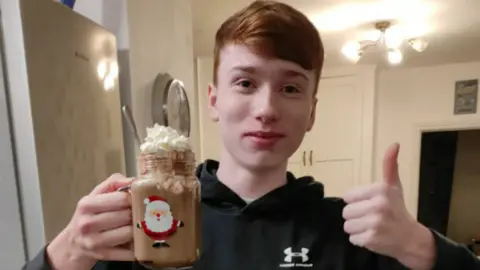
Kate Roux, from Knaresborough in North Yorkshire, described the services involved in her son Ben’s care as "horribly overstretched." By the age of 16, when she tragically found him deceased in an adult homeless hostel, Ben had been engaged with over a dozen different organizations. "Every strand [of his treatment] was done by a different group in the community and they had very little communication with each other, very little communication with us and no joined up plan," she explained. "As he spiralled, his phone pinged and pinged with social media adverts for drugs and threats from dealers. He had drugs workers who saw him a maximum of once a fortnight – they couldn’t compete with that level of coercion. He needed a residential place because he never felt safe, we couldn’t make him safe." A spokeswoman for North Yorkshire Council stated that Ben had been moved to the homeless shelter as a "last resort following extensive searches for suitable accommodation," and that the "heart-breaking situation" underscored the urgent need for greater national specialist provision.
Nicola Howarth, from Newton Aycliffe in County Durham, revealed that her son Alfie had been under the care of "at least 20" drug workers between the ages of 12 and 17, lamenting the lack of consistency in his treatment. "I was always having to kick off and scream like a naughty child to get someone to listen to me," she said. Alfie’s severe cocaine addiction led to the loss of nasal cartilage and daily use, costing him hundreds of pounds weekly. Nicola was quoted nearly £23,000 for a private residential rehabilitation placement, a sum far beyond her reach at the time of his death. Tragically, on Alfie’s 18th birthday, the day after he died, Nicola received a call from an adult residential facility offering a bed, a call that underscored the devastating timing of the system’s failures. Michael Laing, Durham County Council’s corporate director for adult and health services, confirmed that an Adolescent Safeguarding and Exploitation team has since been established, providing support for young people in need.
The BBC’s investigation also revealed that the availability and quality of treatment can vary significantly based on a child’s geographical location, heavily influenced by local commissioning and funding decisions. Prevention of Future Deaths reports, compiled by coroners following the inquests of Ben and Olly, have directly urged the government and councils to address the critical issues of drug treatment and the absence of residential facilities for under-18s. Alexander Frodsham’s report, published after Olly’s 2024 inquest, highlighted the increased risk of relapse and fatal overdose for children without access to such facilities, drawing a stark contrast between child and adult treatment provisions. Experts have further identified gaps in government guidance, a lack of early intervention and prevention strategies, extended waiting lists, insufficient data collection, rigid school policies, and poor inter-agency collaboration as contributing factors to this inequitable system.
The government’s independent drugs adviser, Professor Dame Carol Black, concurs that substantial improvements are needed to ensure high-quality treatment for children and young people, emphasizing the necessity of "adequate in-patient facilities" for those with the most complex needs. She stated that children have "suffered" from years of under-investment in treatment services, and that the current government faces the significant task of "turn[ing] around the tanker" to rebuild the sector. While acknowledging improvements made since her 2020 independent review, which recommended widening access to treatment, Dame Carol stressed the need to enhance the quality of services offered.
Dr Will Haydock, chief executive of Collective Voice, shares Dame Carol’s perspective, noting persistent issues with inconsistency in treatment provision and access routes. He suggests that the rise in under-18s seeking treatment may partly be a consequence of increased investment and improved access following Dame Carol’s report, but also attributes it to the influence of online dealers, evolving drug trends, and a higher prevalence of mental health issues among young people. Dr Haydock advocates for a "coherent, co-ordinated package of care," emphasizing that substance use issues are rarely isolated and require the involvement of mental health services, education, and youth justice, underpinned by national leadership and a clear strategy for harm reduction.
Potential solutions proposed by various sources, including the Children’s Commissioner, the Local Government Association (LGA), drugs charities, and rehab workers, include a cross-government approach, increased specialist bed capacity, earlier intervention, additional funding, and the implementation of clear national guidance and prevention strategies. A Department of Health and Social Care spokesman confirmed that treatment and recovery funding will be channeled through the Public Health grant by 2026, with £3.4 billion ringfenced for drug and alcohol treatment and recovery over three years.
At UKAT’s Banbury Lodge in Oxfordshire, a residential facility for addiction treatment, only three beds are available for 16 to 18-year-olds. Centre manager Nick Dunkley highlighted that such facilities offer comprehensive, round-the-clock care, but acknowledged that the nearly £18,000 cost for a 28-day stay is prohibitive for many families. He advocated for more state-funded beds and emphasized that "preventative measures are a better alternative to waiting until things are beyond repair." Children’s Commissioner Dame Rachel de Souza expressed deep concern over the "postcode lottery" faced by many children, asserting that young people must have access to the treatment they need close to home to facilitate recovery and stability. Dr Wendy Taylor of the LGA urged the government to increase the public health grant to ensure equitable access to quality support, citing the significant budget constraints faced by councils attempting to provide these vital services.
Dame Carol reiterated the central government’s commitment to rebuilding and improving services, stressing the critical importance of the quality and speed of service delivery, and its integration with other essential support for children. She also emphasized that drug addiction should be treated as a chronic illness, and that "we need to reduce the stigma that surrounds it, and that’s everybody’s business." While the current changes come too late for Olly, Ben, and Alfie, their mothers hold onto the hope that these efforts will bring solace and a better future to other families. Anita expressed this sentiment powerfully: "There are more children like Olly and to know your child is safe and not going to die in front of you, to know they’ll be cared for and go through a proper withdrawal programme would mean so much to parents. It would save those children."



 Nakalama John
 atisusanti
 Ramos Leo