
 Ramos Leo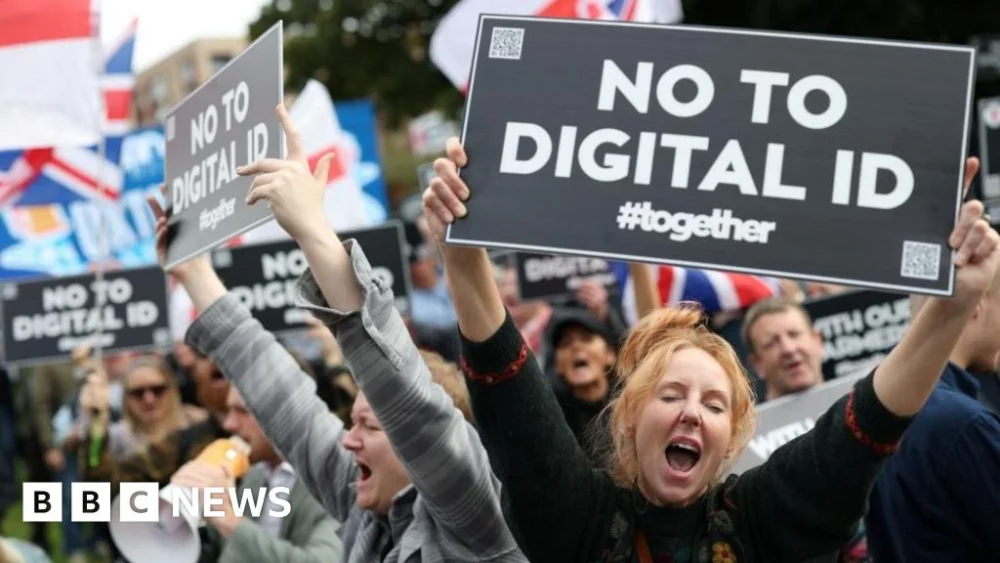
This decision marks a notable departure from the government’s initial hardline stance just last year. Prime Minister Sir Keir Starmer had previously outlined the policy with unequivocal clarity, telling an audience, "You will not be able to work in the United Kingdom if you do not have digital ID. It’s as simple as that." This definitive statement had set the stage for widespread public and political debate, making the current reversal particularly striking.
The announcement was met with a swift and sharp reaction from the opposition. Conservative leader Kemi Badenoch immediately seized upon the news, declaring, "Good riddance. It was a terrible policy anyway." She further lambasted the Labour government, characterising the policy change as "another U-turn" in a growing list of governmental reversals. Badenoch’s comments reflect a broader political narrative that has seen the government frequently accused of indecision and a lack of conviction since taking office.
Indeed, the change of policy is merely the latest in a series of high-profile U-turns that have plagued the government’s legislative agenda. Previous climbdowns have included significant adjustments to welfare reforms, a reconsideration of plans to reduce winter fuel payments for pensioners, and a notable reversal on proposed changes to inheritance tax specifically impacting farmers. These repeated policy reversals have begun to erode public trust and generate considerable frustration within the government’s own ranks, leading to accusations of a reactive rather than proactive approach to governance.
When the policy was first unveiled, the government’s primary justification was its potential to significantly enhance efforts to combat illegal immigration by making it easier to identify and clamp down on individuals working without proper authorisation. The mandatory nature of the digital ID was presented as a critical tool in this enforcement strategy. However, the scheme, as now re-envisioned, is understood to be shifting its focus away from this narrow immigration control objective. Instead, the government intends to place greater emphasis on promoting digital ID as a versatile and useful tool for the wider public in accessing a broad array of public services, thereby repositioning it as a convenience rather than a compliance requirement.
Despite the U-turn on mandatory registration, the government remains committed to the broader digitisation of right-to-work checks. Transport Secretary Heidi Alexander, speaking on BBC Radio 4’s Today programme, affirmed the government’s unwavering commitment to mandatory digital right-to-work checks, including through mechanisms like biometric passports. She argued that digitising the entire system would provide a much-needed robust framework to effectively crack down on illegal working. "The digital ID could be one way in which you prove your eligibility to work through a digital right to work check," Alexander explained. She highlighted the deficiencies of the current system, stating, "At the moment we’ve got a paper-based system – there’s no proper records kept. It makes it very difficult then to target enforcement action sensibly against businesses that are employing illegal workers." This distinction underscores the government’s continued desire to modernise verification processes, even if the method of individual identification has become optional.
The criticism extended beyond current opposition figures. Former home secretary Lord David Blunkett, a long-standing proponent of ID cards during his own time in government, voiced his lack of surprise at the U-turn during the same BBC programme. Blunkett attributed the reversal to the government’s failure to adequately explain the policy’s rationale or its practical implementation. "The original statement was not followed by a narrative or supportive statements or any kind of strategic plan which involved other ministers and those who are committed to this actually making the case," he observed. He argued that this communicative vacuum allowed opponents to effectively mobilise public opinion: "As a consequence, those who are opposed to the scheme, for all kinds of nefarious and very different reasons, some of them inexplicable, were able to mobilise public opinion and to get the online opposition to it up and running." This echoes historical debates in the UK surrounding ID cards, which have often faced strong resistance based on concerns about civil liberties, privacy, and the potential for a surveillance state. Previous attempts to introduce national ID cards have consistently met with significant public and political opposition, highlighting the deeply ingrained skepticism towards such state-mandated identification systems in Britain.
The impact of Sir Keir Starmer’s initial announcement on public opinion was stark and immediate. Polling data revealed a dramatic collapse in public support for digital ID. What had been a policy supported by just over half the population in June plummeted to less than a third shortly after his speech. This precipitous drop in approval was further amplified by a powerful grassroots movement, culminating in nearly three million people signing a parliamentary petition specifically opposing the introduction of mandatory digital IDs. The scale of this public outcry clearly demonstrated a deep-seated public unease regarding the proposed scheme, driven by concerns over privacy, data security, potential for government overreach, and the exclusion of digitally disadvantaged segments of the population.
Internally, the mandatory aspect of the original proposal had also generated significant nervousness among some Labour MPs. Many were wary of the implications for their constituents and the potential backlash from their local party members. The latest U-turn has only exacerbated a growing sense of frustration among Labour MPs who are increasingly exasperated by the government’s perceived indecisiveness. Some had already expressed apprehension about publicly defending controversial government policies, fearing that such policies would inevitably be reversed, leaving them exposed and undermining their credibility with the electorate. One furious Labour MP, speaking anonymously to the BBC last night, described the latest U-turn as "an absolute car crash," adding with palpable anger: "The boys at No 10 jumped into it with no thought, marched the PLP up the hill only to bottle it, take all the pain and no credit." This sentiment underscores the significant internal political damage inflicted by frequent policy reversals, which can undermine party discipline and morale.
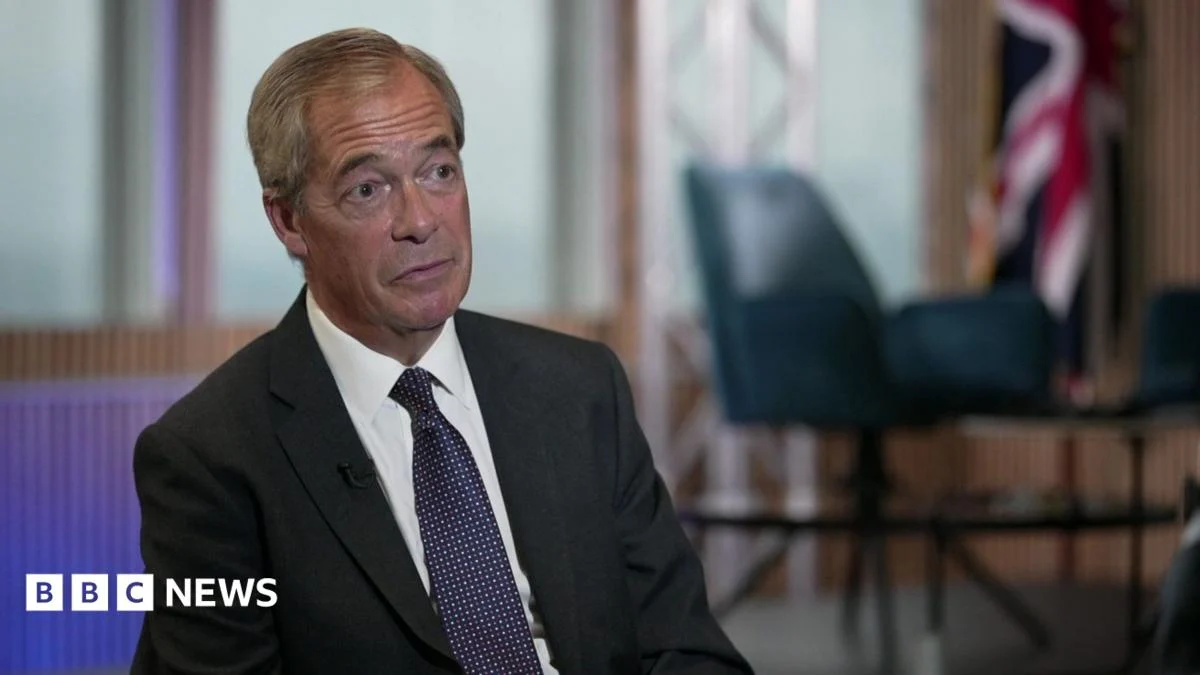
Other opposition parties were equally critical of the government’s change of heart. The Liberal Democrats asserted that the policy was "doomed to failure" from its inception and called for "the billions of pounds earmarked for their mandatory digital ID scheme" to be redirected towards more pressing public services, specifically "on the NHS and frontline policing instead." The party’s Cabinet Office spokesperson, Lisa Smart, quipped, "No 10 must be bulk ordering motion sickness tablets at this rate to cope with all their U-turns," highlighting the perceived instability of government policy. Reform UK leader Nigel Farage celebrated the decision on X (formerly Twitter), declaring, "This is a victory for individual liberty against a ghastly, authoritarian government. Reform UK would scrap it altogether." Green Party leader Zack Polanski also welcomed the news on X, simply stating, "The government have U-turned on ID cards. Good." These reactions from across the political spectrum underscore the widespread opposition that the mandatory digital ID policy had generated.
A government spokesperson, responding to the criticism, sought to clarify the government’s enduring commitment to modernising identity verification. "We are committed to mandatory digital right to work checks," the spokesperson reiterated. They further justified the need for reform by highlighting the current system’s vulnerabilities: "Currently right to work checks include a hodgepodge of paper-based systems with no record of checks ever taking place. This is open to fraud and abuse." The spokesperson concluded by reaffirming the broader vision for digital ID, albeit in its optional form: "Digital ID will make everyday life easier for people, ensuring public services are more personal, joined-up, and effective, while also remaining inclusive."
It is important to understand the existing framework for right-to-work checks. Employers in the UK are legally obligated to verify that any individual they intend to hire possesses the legal right to work in the country. Since 2022, a digital verification service, certified by the government, has been available for employers to conduct checks on British and Irish citizens who hold valid passports. Additionally, the Home Office operates an online scheme that facilitates the verification of immigration status for certain non-British or Irish citizens whose immigration records are held electronically. These existing digital mechanisms provide a foundation upon which the broader digital ID system is intended to build.
The specific operational details of how the broader, optional digital ID scheme will function are still being finalised, but it is widely anticipated to be built upon two key government-developed systems: Gov.uk One Login and Gov.uk Wallet. Gov.uk One Login is an existing system designed to streamline access to various government online services, reducing the need for multiple login credentials. Currently, more than 12 million people have already signed up to One Login, using it for a range of services such such as applying for a veteran card, cancelling a lost passport, or managing a lasting power of attorney. Gov.uk Wallet, on the other hand, is a new system that has not yet been officially launched. When operational, it is expected to provide individuals with a secure digital repository on their smartphones to store their digital ID credentials. This digital ID would encompass essential personal information, including name, date of birth, nationality, residence status, and a photograph, serving as a versatile digital proof of identity. The future of digital identity in the UK, while now optional for employment verification, remains a key focus for government modernisation efforts, albeit with a renewed emphasis on choice and convenience rather than compulsion.



 George Anjay
 Nakalama John
 atisusanti
 Roy Suryo
 Nana Banana