Nana Banana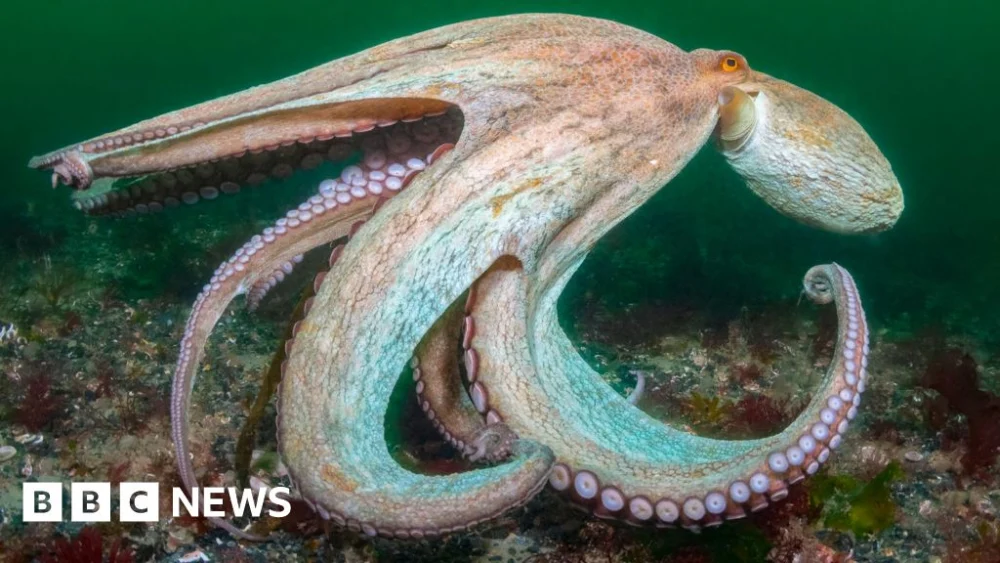
The year 2025 has been unequivocally declared "the Year of the Blooming Octopus" by a prominent wildlife charity, following an unprecedented surge in octopus populations sighted off the south-west coast of England. This remarkable phenomenon, officially documented in the Wildlife Trusts’ annual marine review, marks the highest number of octopus sightings since 1950, painting a vivid picture of a changing marine ecosystem. The dramatic increase, often referred to as a "bloom," is strongly linked to warmer winter temperatures, a direct consequence of ongoing climate change.
The charity’s compelling findings are robustly supported by official governmental figures, which reveal that an astonishing 1,200 tonnes of octopus were hauled in by fishermen operating in UK waters during the summer of 2025 alone. This figure represents a monumental leap from previous years; for context, only once since 2021 had the total annual catch of octopus exceeded 200 tonnes. The sheer scale of this increase has captivated marine biologists, conservationists, and the fishing community alike, prompting urgent discussions about its immediate and long-term implications.
Experts have identified the vast majority of these newly observed octopuses as Octopus vulgaris, also known as the common octopus. This species is typically prevalent in the warmer, more temperate waters of the Mediterranean Sea and parts of the Atlantic, making its widespread appearance in British coastal zones a significant indicator of shifting marine conditions. Volunteers from the Cornwall and Devon Wildlife Trusts, who meticulously monitor local marine life, reported an astounding increase in sightings of over 1,500 percent compared to their 2023 figures along a specific stretch of the south coast. This exponential growth underscores the rapid adaptation and expansion of this cephalopod’s range.
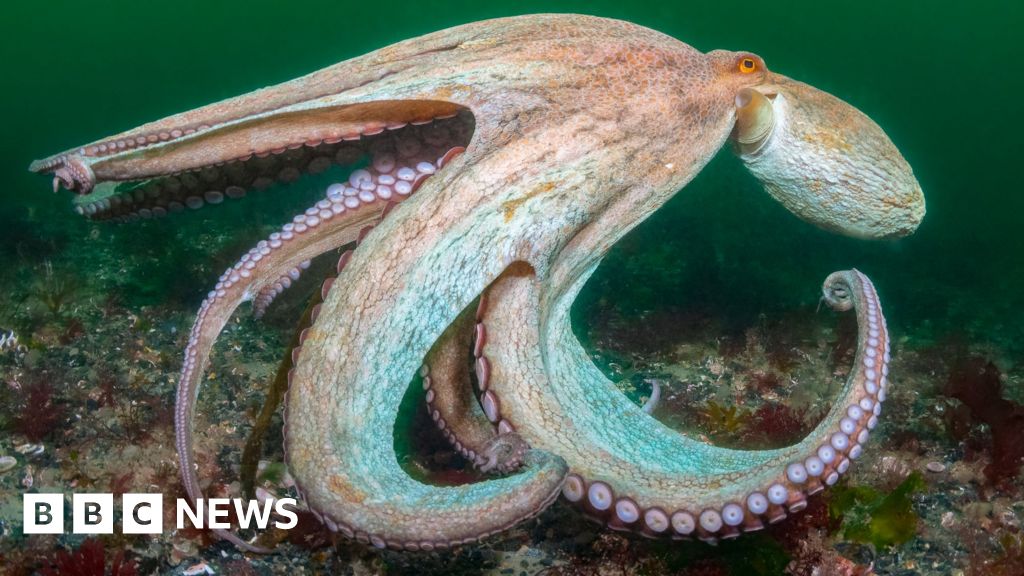
Matt Slater, a marine conservation officer from the Cornwall Wildlife Trust, expressed his awe at the sheer abundance and diverse behaviours observed. "It really has been exceptional," Slater recounted, his voice tinged with both wonder and a hint of concern. "We’ve seen octopuses jet-propelling themselves along with incredible speed and agility, a truly mesmerising sight. We’ve witnessed their masterful camouflaging abilities, disappearing against the seabed or mimicking the texture and colour of seaweeds so perfectly they become almost indistinguishable." He continued, describing other fascinating observations: "We’ve even seen them engaged in what appears to be self-cleaning rituals, and, perhaps most surprisingly, some have been filmed walking using just two legs, nonchalantly cruising away from divers underwater as if performing a delicate ballet." These observations provide invaluable insights into the octopuses’ intelligence and adaptability, showcasing their complex behaviours in an environment where they are becoming increasingly dominant.
The underlying cause of this octopus bloom is primarily attributed to warmer sea temperatures, particularly during the critical winter months. Climate change is leading to milder winters in UK waters, which creates more favourable conditions for Octopus vulgaris to survive and reproduce. Typically, colder winters can result in higher mortality rates for juvenile octopuses, thus naturally regulating population sizes. However, with sustained warmer conditions, a larger proportion of young octopuses are surviving to maturity, leading to a population explosion. Furthermore, increased water temperatures can potentially accelerate their metabolic rates and shorten their breeding cycles, allowing for more frequent reproductive events and a faster generation turnover. This intricate dance between climate and biology is at the heart of the current bloom.
However, the long-term implications of this dramatic population shift remain uncertain. Marine scientists are actively investigating whether this rise in numbers is a permanent ecological change, signaling a fundamental alteration of UK marine ecosystems, or merely a cyclical phenomenon that will eventually see octopus populations revert to more typical levels after this year’s bloom. Understanding the duration and stability of these blooms is crucial for predicting future ecological impacts and informing management strategies. Factors such as continued ocean warming, the availability of prey, and potential disease outbreaks could all play a role in determining whether this "Year of the Octopus" becomes the new normal or a fleeting anomaly.
The increased presence of these intelligent eight-armed cephalopods, which are voracious predators of shellfish such as lobster, crabs, and scallops, is already beginning to ripple through the marine food web. The Wildlife Trusts have issued a cautionary note, highlighting that if these high population numbers persist, both the established fishing practices and the culinary habits of the nation may need to undergo significant adjustments. Ruth Williams, head of marine for The Wildlife Trusts, elaborated on these concerns during an interview with the BBC’s Today programme. "They are having an undeniable impact on those shellfish species around our shores," Williams stated, referring to the traditional targets of the UK fishing fleet. "And as a consequence, they will be having an impact on our fishing industry who target those species as well."
Despite the challenges, Williams also pointed to potential silver linings and proactive responses. "But there are opportunities," she affirmed, "and our fishing industry are doing some research into that at the moment to try and evolve with the changing fisheries that we’re seeing as a result of climate change." This research could involve exploring new fishing gear designed to target octopus, developing new markets for octopus as a sustainable seafood alternative, or even adapting to new fishing grounds as traditional species shift their distributions. Government data already provides early indications of these shifts, showing a discernible downturn in crab landings compared to previous years, while catches of lobster, crawfish, and scallops have remained relatively stable, suggesting a complex and varied impact across different shellfish populations. This data underscores the urgent need for adaptive management strategies within the fishing sector to ensure its long-term viability in a rapidly changing marine environment.
Beyond the fascinating story of the octopus, the Wildlife Trusts’ comprehensive marine review for 2025 paints a broader, more complex picture of the health of UK waters. While the octopus bloom offers a unique case study of adaptation to climate change, the report also contained sobering news, bookended by significant environmental disasters. The year began with a devastating collision between an oil tanker and a container ship in the North Sea in March, resulting in the spill of huge quantities of plastic resin pellets. These small, pre-production plastic granules, often called "nurdles," pose a severe threat to marine life, as they are often mistaken for food by birds and fish, leading to internal injuries, starvation, and the leaching of toxic chemicals into the food chain. Their widespread dispersion makes cleanup efforts incredibly challenging, leaving a lasting impact on coastal and marine ecosystems.
The year concluded with another alarming incident in November, when nearly 4.5 tonnes of bio-beads were released from a water treatment plant in Sussex. Bio-beads are small plastic media used in wastewater treatment processes to provide a surface area for beneficial bacteria to grow, aiding in the breakdown of pollutants. Their accidental release into natural waterways can lead to significant environmental damage, including the physical smothering of marine habitats, entanglement of wildlife, and the introduction of concentrated organic matter and associated pollutants into sensitive ecosystems. These incidents serve as stark reminders of the persistent anthropogenic pressures facing marine environments, even as natural systems respond to broader climatic shifts.
Amidst these environmental challenges, the review also highlighted several beacons of hope for other cherished wildlife species. There was particularly good news for puffin enthusiasts, with a record-breaking 46,000 puffins recorded on Skomer Island in Pembrokeshire. This iconic black and white bird, a beloved symbol of British coastlines, has seen its numbers flourish thanks to a combination of successful breeding seasons, robust food availability, and sustained conservation efforts. Furthermore, the charismatic puffin has made a heartening comeback on the Isle of Muck, an achievement attributed to the dedicated conservation work of the Ulster Wildlife Trust. Their targeted program to remove invasive brown rats from the island has proven highly effective, as rats are notorious predators of puffin eggs and chicks. These successes demonstrate the profound positive impact that focused conservation initiatives can have, offering a glimmer of optimism amidst the broader challenges of climate change and pollution in the UK’s dynamic marine realm.




 Roy Suryo

 Nakalama John
 atisusanti
 Ramos Leo