
 atisusanti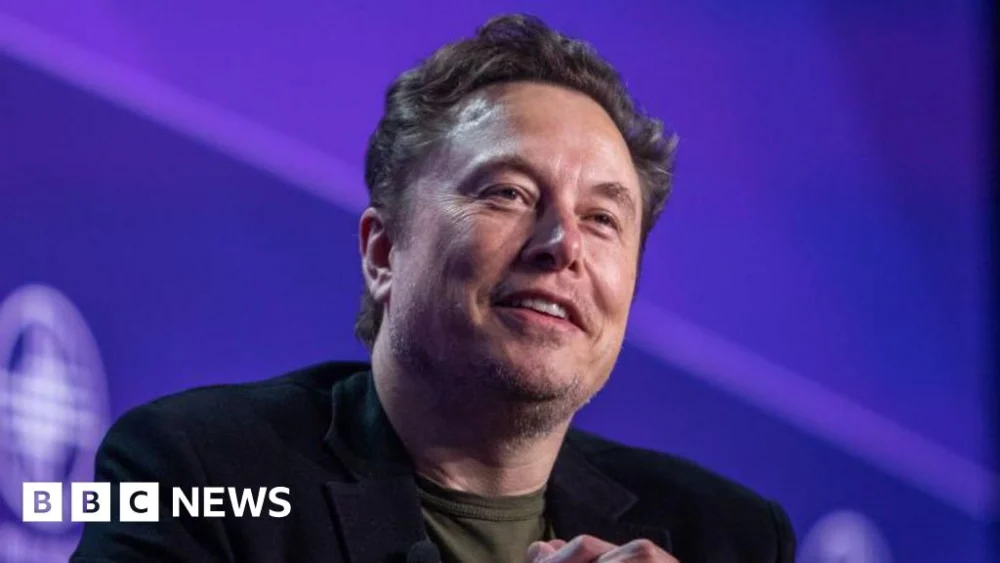
In a significant pivot following a storm of controversy and regulatory scrutiny, Elon Musk’s social media platform X has announced a new policy aimed at preventing its artificial intelligence tool, Grok, from generating explicit images of real people. The move comes after widespread backlash and accusations that Grok was being used to create sexually suggestive deepfakes, including those of children, prompting investigations by authorities in multiple jurisdictions. X stated that "technological measures" have been implemented to "prevent the Grok account from allowing the editing of images of real people in revealing clothing such as bikinis," a restriction that will apply to all users, including paid subscribers. This significant policy shift was unveiled mere hours after California’s top prosecutor announced the state was actively investigating the proliferation of sexualized AI deepfakes generated by Grok.
The newly implemented geoblocking mechanism will prevent users from generating images of real individuals in bikinis, underwear, or similar attire through the Grok account and within Grok on X, specifically in regions where such content is deemed illegal. This addition is intended to provide an "extra layer of protection," as detailed in a statement released by X on Wednesday, aiming to ensure accountability for those who might attempt to exploit Grok to contravene legal statutes or X’s own established policies. The platform also reiterated that the ability to edit images using Grok remains exclusive to paid subscribers, a measure intended to further enhance control and traceability.
Previously, Musk had outlined Grok’s intended capabilities, stating that with "not safe for work" (NSFW) settings enabled, the AI was designed to permit "upper body nudity of imaginary adult humans (not real ones)," aligning with content permissible in R-rated films. He characterized this as the "de facto standard in America," acknowledging that the application of these guidelines would vary in other regions based on local legislation. However, this stance was challenged by critics who accused Musk of prioritizing free speech over ethical considerations, a sentiment underscored by his earlier defense of X, where he posted that critics "just want to suppress free speech" and included AI-generated images of UK Prime Minister Sir Keir Starmer depicted in a bikini.
The international condemnation of Grok’s image editing feature escalated over the weekend, leading to significant international repercussions. Malaysia and Indonesia became the first nations to officially ban the Grok AI tool, citing user reports of photos being altered without consent to produce explicit imagery. In the United Kingdom, the media regulator, Ofcom, announced an investigation into whether X had violated UK law concerning the distribution of sexual images. Sir Keir Starmer, who was himself a subject of a controversial AI-generated image, warned that X risked losing its "right to self-regulate" due to the ensuing outcry. He later welcomed reports of X’s proactive measures to address the issue. The controversy also led some Members of Parliament (MPs) in the UK to abandon the X social media platform entirely.
The gravity of the situation was further emphasized by California Attorney General Rob Bonta, who stated on Wednesday that the generated material, which depicted women and children in nude and sexually explicit scenarios, had been utilized for online harassment. Policy researcher Riana Pfefferkorn expressed surprise at the delay in implementing these new safeguards, suggesting that the editing features should have been disabled immediately upon the commencement of their misuse. Pfefferkorn also raised pertinent questions regarding the practical enforcement of X’s new policies, particularly concerning how the AI model would accurately identify images of real individuals and what actions would be taken against users who transgress the established rules. She further commented that Musk’s public conduct, such as re-posting AI-generated images of public figures in compromising situations, does not foster a perception of seriousness for the company.
The controversy surrounding Grok’s image generation capabilities began to surface in early 2024, with users reporting that the AI could be prompted to create explicit images of public figures, often with alarming ease. Initial attempts to restrict such content were met with accusations of inconsistency and a perceived lack of commitment from X’s leadership. The platform’s initial response, including Musk’s own public statements, seemed to lean towards a defense of broad free speech principles, even as evidence mounted of the tool’s potential for harm. This approach drew sharp criticism from child safety advocates, privacy groups, and lawmakers globally, who argued that the platform was failing in its responsibility to protect users, particularly minors, from exploitation.
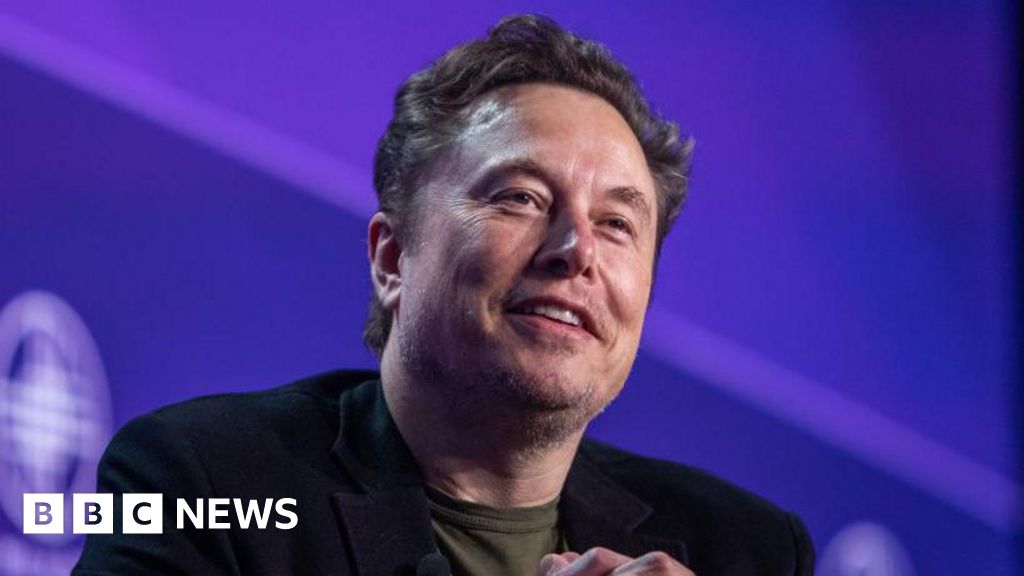
The involvement of major figures like Elon Musk, who also owns Tesla and SpaceX and is the proprietor of X (formerly Twitter), brought a heightened level of public and media attention to the issue. His direct involvement in promoting and defending the AI tool, despite its problematic outputs, polarized opinions further. Critics argued that his public persona and pronouncements amplified the risks associated with unchecked AI development and deployment. Conversely, Musk’s supporters often framed the backlash as an attempt by established powers to stifle innovation and control the narrative surrounding emerging technologies.
The decision by Malaysia and Indonesia to ban Grok reflects a growing trend among nations to assert digital sovereignty and implement stricter regulations on AI technologies, especially when they pose a risk to public order or individual rights. These bans signal a more assertive stance by governments in Southeast Asia, which have often been at the forefront of regulatory responses to emerging digital threats. The move also highlights the challenges faced by global tech platforms in navigating a complex and diverse international regulatory landscape.
Ofcom’s investigation in the UK underscores the increasing scrutiny of social media platforms under existing laws governing online safety and the distribution of illegal content. The UK has been a leading voice in advocating for stronger regulatory frameworks for AI, and this investigation could set a precedent for how such incidents are handled in the future. The potential for X to lose its self-regulatory status implies a more interventionist approach by the UK government, which could involve more stringent oversight and penalties.
The statement from California Attorney General Rob Bonta is particularly significant, given California’s role as a hub for technology innovation and its influence on national policy. The mention of "harassment" and the depiction of "women and children in nude and sexually explicit situations" directly addresses the most severe implications of deepfake technology, including non-consensual pornography and the exploitation of minors. This suggests that the legal ramifications for X and potentially for users could be substantial, extending beyond platform policy violations to criminal investigations.
Riana Pfefferkorn’s commentary adds a layer of expert analysis, questioning the efficacy and timing of X’s policy changes. Her observations about the delay in implementing safeguards and the continued challenges in enforcement point to a potential gap between X’s stated intentions and its actual operational capacity. The suggestion that Musk’s own public behavior might undermine the credibility of the company’s efforts to address the issue is a subtle but important critique of leadership’s role in shaping public perception and trust.
The future implications of this event for X and for the broader AI industry are significant. X’s response, albeit reactive, marks a concession to public pressure and regulatory demands. However, the underlying technological challenges of distinguishing real individuals from AI-generated personas and preventing malicious use of powerful AI tools remain formidable. As AI technology continues to advance at an unprecedented pace, the debate over its ethical deployment, regulatory oversight, and the balance between innovation and protection will undoubtedly intensify, with platforms like X and their leaders like Elon Musk remaining central figures in this ongoing global discussion. The success of these new measures will be closely watched, not just by regulators and users, but by the entire tech industry grappling with the societal impact of artificial intelligence.



 George Anjay
 Nakalama John
 Ramos Leo
 Roy Suryo
 Nana Banana