
 Nana Banana
The graveyard of dried-up ferns, drooping Ficus, and wilting Monsteras in countless homes suggests a common struggle: keeping houseplants thriving. Many plant enthusiasts, despite their best intentions, find themselves repeatedly mourning the loss of a beloved potted friend. This pervasive problem often leads individuals to believe they lack a "green thumb" or are somehow cursed when it comes to indoor foliage. However, horticultural experts confirm that success isn’t about innate talent but rather understanding a plant’s fundamental needs and recognizing the common pitfalls. Adam Frost, a respected host of the BBC’s Gardeners’ World, and Clare Preston-Pollitt, a horticultural advisor from the Royal Horticultural Society (RHS) at Garden Bridgewater, offer invaluable insights to transform even the most notorious plant killers into confident caregivers. They assert that with the right knowledge, anyone can cultivate a vibrant indoor oasis, debunking the myth that only a select few are destined for horticultural harmony.
1. Pick the Right Plant for the Right Place
One of the most frequent errors aspiring plant parents make is succumbing to impulse buys based solely on aesthetic appeal. While a plant might look stunning in the nursery, its long-term survival hinges on its compatibility with your home’s unique environmental conditions. As Clare Preston-Pollitt explains, many people "buy plants that they like the look of… take them home, and then watch them slowly look sicker over a series of months" simply because the chosen spot doesn’t meet its specific requirements for light, humidity, and temperature. Before purchasing, assess the conditions of the room where you envision your new plant residing. Is it bathed in bright, indirect light? Does it experience significant temperature fluctuations? Is the air dry or naturally humid? Understanding these factors is paramount.
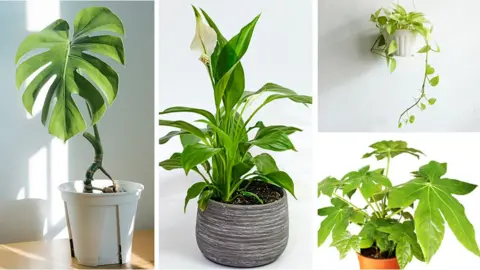
For instance, Clare suggests that bright lounge areas, often flooded with indirect natural light, are ideal sanctuaries for a majestic Monstera deliciosa, known for its iconic split leaves and tropical origins. These plants crave ample light to fuel their vigorous growth. Conversely, the warm, often humid environment of a kitchen makes it a perfect home for a graceful Peace Lily (Spathiphyllum), which appreciates consistent moisture and a slightly warmer climate. Bathrooms, with their naturally higher humidity from showers and baths, provide an excellent habitat for the cascading vines of Devil’s Ivy (Epipremnum aureum), a robust and forgiving plant. For those challenging, shadier corners or hallways that receive minimal natural light, a resilient False Castor Oil Plant (Fatsia japonica) can thrive, bringing lush greenery to often-overlooked spaces. If a plant isn’t flourishing, don’t hesitate to experiment by relocating it to different parts of your home. A slight shift in light or temperature can sometimes be the catalyst for a new lease of life, demonstrating that flexibility in placement is a key strategy for plant longevity. Always check the plant’s care tag at the point of purchase; it’s a small investment of time that yields significant returns.
2. The Perils of Overwatering: Understanding Your Plant’s Thirst
Perhaps the most common culprit in houseplant demise is overwatering. Many beginners mistakenly believe that more water equates to healthier growth, when in reality, it often suffocates the roots. Each plant species has distinct watering needs, and a "one-size-fits-all" approach is a sure path to failure. Overwatering deprives roots of essential oxygen, leading to root rot – a silent killer that can quickly turn a vibrant plant into a withered husk. Conversely, underwatering, though less immediately destructive, can lead to stunted growth, crispy leaves, and eventual dehydration.
For popular houseplants like the Peace Lily and Spider Plant, observing their leaves can offer vital clues. Brown tips or yellowing leaves can signal both over and under-watering, emphasizing the importance of checking the soil moisture before reaching for the watering can. To accurately assess, insert your finger about an inch or two into the soil. If it feels dry, it’s likely time to water. If it’s still damp, wait a few more days. Moisture meters are also excellent tools for precise readings.
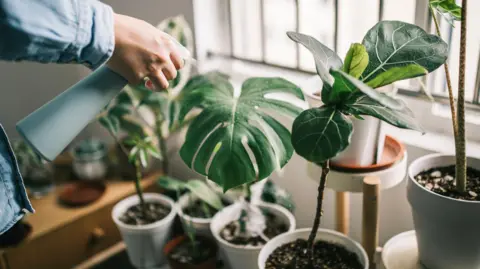
Cacti and succulents, often chosen for their perceived low-maintenance nature, are frequently drowned by well-meaning owners. These desert dwellers are adapted to arid conditions and store water in their leaves and stems. Adam Frost advises that for these types of plants, a gentle misting is often sufficient, rather than a thorough soaking, especially during their dormant periods. When watering succulents, it’s best to soak them thoroughly and then allow the soil to dry out completely before watering again, sometimes waiting weeks between sessions. To assist with consistent moisture delivery without overdoing it, Clare suggests innovative tools like water mats or watering globes. Water mats absorb excess water and slowly release it back to the plant as needed, while watering globes provide a steady, controlled drip, ideal for plants that prefer consistent, but not boggy, moisture. Crucially, always ensure your pots have drainage holes to prevent waterlogging.
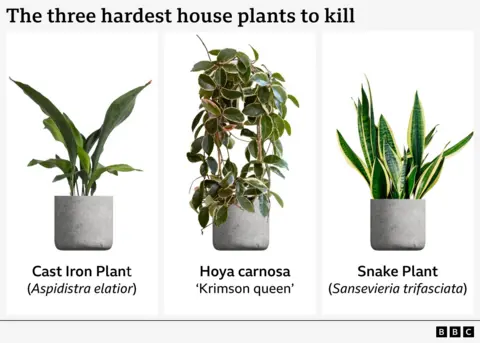
For those seeking truly resilient companions, Clare highlights a trio of "hardest to kill" plants: the Cast Iron Plant (Aspidistra elatior), Hoya carnosa (Wax Plant), and the Snake Plant (Sansevieria trifasciata). These botanical champions are exceptionally "drought-tolerant," capable of enduring prolonged periods without water, making them perfect for forgetful gardeners or frequent travelers. The Snake Plant and Cast Iron Plant also possess the remarkable ability to thrive in darker areas of your home, adding a touch of green to otherwise challenging low-light environments. Their robust nature and minimal demands make them excellent choices for beginners or anyone looking to cultivate a sense of success with their indoor greenery.
3. Adapting to the Seasons: Watering Less in Winter
Just as outdoor gardens transform with the changing seasons, so too do the needs of your indoor plants. A fundamental principle of houseplant care is adjusting your routine throughout the year. As Clare explains, "In spring and summer, you can water more regularly" because plants are actively engaged in growth, photosynthesis, and nutrient uptake during these warmer, brighter months. At the peak of summer, some thirsty plants like a large Monstera might require watering two or three times a week. This active growth phase is also the opportune moment to "feed" your plants. Incorporating a balanced liquid plant food into their watering routine every 2-4 weeks provides the essential nutrients—nitrogen for foliage, phosphorus for roots, and potassium for overall health—they need to flourish.
However, as autumn approaches and winter sets in, this vigorous treatment must be significantly scaled back. Foliage plants enter a "semi-dormant state" during these months. With reduced light levels, cooler indoor temperatures (even with heating), and shorter days, their metabolic processes slow down considerably. They require far less energy and, consequently, far less water. Feeding should cease entirely, as dormant plants cannot effectively utilize the nutrients, which can instead build up and burn the roots. Clare recommends waiting until the soil is completely dry to the touch before adding any water during autumn and winter, and even then, watering sparingly. Overwatering during dormancy is a common cause of root rot.
Winter also brings drier indoor air due to central heating, which can stress humidity-loving plants. Consider using a humidifier, grouping plants together to create a microclimate, or placing pots on pebble trays filled with water (ensuring the pot doesn’t sit directly in the water) to boost ambient humidity.
Beyond daily care, repotting is a crucial maintenance task for long-term plant health. Clare advises undertaking this in spring, coinciding with the plants’ natural growth spurt. This allows them to establish new roots quickly and recover from the stress of transplanting. Signs that your plant needs a larger home include roots circling the bottom and sides of the pot, visible roots creeping out of the drainage holes, or water running straight through the pot without being absorbed, indicating the plant is "root-bound." When repotting, choose a pot that is only one or two inches larger in diameter, use fresh, appropriate potting mix, and gently loosen any tightly bound roots before settling the plant into its new abode. Regular dusting of leaves is also beneficial, allowing plants to photosynthesize more efficiently by keeping their pores clear.
4. Nurturing Your Christmas Poinsettia Beyond the Holidays
For many, the vibrant Poinsettia (Euphorbia pulcherrima) marks their initial foray into the world of houseplants, often received as a festive gift. Yet, by early January, those striking crimson bracts (often mistaken for flowers) frequently begin to droop and fade, leading many to discard them. The secret to keeping these festive beauties alive and even encouraging them to re-bloom lies in understanding and replicating their native Mexican tropical environment.
As Adam Frost emphasizes, poinsettias "are going to want that warmth, it’s not going to want to be in a drafty spot." They thrive in consistent temperatures between 18-24°C (65-75°F) and are highly sensitive to cold drafts, which can cause leaf drop. While they love bright light, direct scorching sunlight should be avoided, especially through a window that can magnify the sun’s intensity.
Poinsettias do not require copious watering. The key is to water only when the top inch or two of soil feels dry to the touch. To avoid overwatering, a common method is bottom watering: place the potted plant (with drainage holes!) into a tray or sink filled with a few inches of water for about 30 minutes, allowing it to soak up moisture from the bottom. Alternatively, a gentle misting can provide humidity. After watering, always ensure any excess water drains away completely to prevent root rot.
To encourage your poinsettia to last well beyond the holiday season, Adam recommends adding a balanced liquid plant food once a month, starting after the initial bloom fades. In April, as the plant might start to look leggy, prune the branches back by about a third to encourage bushier growth. May is the ideal time for repotting into a slightly larger container with fresh potting mix.
The most intriguing aspect of poinsettia care is coaxing them to re-bloom with their characteristic red bracts for the following Christmas. This phenomenon, known as photoperiodism, means they are "short-day plants." Starting in September, your poinsettia needs at least 12-14 hours of complete darkness every day for approximately 8-10 weeks. This can be achieved by placing it in a dark closet or covering it with a cardboard box or opaque cloth from early evening until morning. During the day, it should receive bright, indirect light. This rigorous dark period is essential for the bracts to develop their vibrant crimson (or white, pink, or marbled) hues, transforming your once-discarded plant into a festive centerpiece once more, ready to rival your New Year’s resolutions for longevity.




 Roy Suryo

 Nakalama John
 atisusanti
 Ramos Leo
