
 Roy Suryo
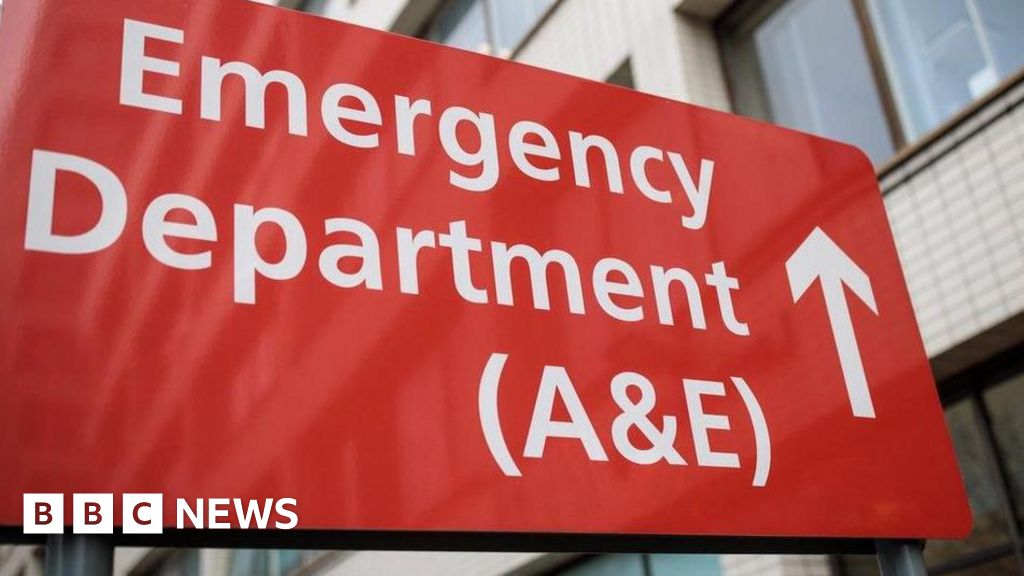
England’s Accident and Emergency departments grappled with prolonged patient waits in 2025, with a concerning one in ten individuals experiencing delays exceeding 12 hours. This translates to a staggering 1.75 million patients enduring such extended waits for treatment and subsequent discharge or a bed on a hospital ward, a figure only marginally improved from the previous year. The persistent issue of "corridor care," where patients are left unattended in makeshift areas for hours, has drawn sharp criticism from healthcare professionals, with the Royal College of Nursing (RCN) highlighting its devastating impact on both patient dignity and safety.
The RCN has released poignant testimonies from nurses across the United Kingdom, painting a grim picture of undignified and unsafe care. One nurse starkly remarked that animals in veterinary practices receive better treatment, underscoring the severity of the situation. In response, Health Secretary Wes Streeting acknowledged the unacceptability of corridor care, admitting that the National Health Service (NHS) is "falling short" and vowing to end the practice before the current parliamentary term concludes. He also pledged to implement transparent data reporting on corridor care to ensure accountability. While acknowledging ongoing challenges, Streeting pointed to improvements in other areas, such as ambulance response times and a reduction in overall hospital waiting lists, suggesting that patients are beginning to "feel the difference" in some aspects of care.
However, the testimonies from RCN members reveal the profound emotional and ethical toll of these prolonged waits. Nurses describe feeling ashamed and embarrassed as patients are squeezed into corridors, with treatments sometimes taking place in makeshift spaces like kitchens and dining areas. Harrowing accounts include a patient dying from choking undetected in a corridor, and nurses resorting to holding up sheets to provide privacy during intimate procedures. One nurse from the North West of England expressed heartbreak at seeing elderly patients remain in corridors for days on end. A colleague in the South West described the system as "broken," likening patients’ experiences to a "type of torture." The sentiment was echoed by another nurse who questioned why animals in veterinary settings are treated with more consideration than human patients in hospitals.
Professor Nicola Ranger, RCN General Secretary, emphasised that these testimonies reveal the "devastating human consequences" of the immense pressures facing hospitals. Her comments follow a series of hospitals declaring critical incidents in the early weeks of the new year. Nottingham University Hospital, for instance, warned of patients on corridors and issued an apology for "significant and unacceptable delays" in its A&E department. The BBC’s own investigative teams have witnessed firsthand the "relentless pressure" within Leicester Royal Infirmary, where staff described the daily challenge of "maintaining a patient’s dignity whilst on a corridor."
Doctors and nurses at Leicester Royal Infirmary reported struggling to secure beds for their most vulnerable patients, with elderly individuals often left waiting overnight on plastic chairs for eight to nine hours. Patricia, a woman in her seventies who had fallen and was experiencing severe chest pain, endured a nine-hour wait on a chair, feeling "so tired" and "confused." Ann, who arrived by ambulance suffering from infection and dehydration, had been waiting 48 hours for a ward bed. While praising the care she received, specialist staff had to attend the emergency department to oversee her rehabilitation due to the lack of an appropriate bed. Scott Knapp, a consultant in the emergency department, lamented the situation, stating, "This is not the level of care we want to give." He highlighted the added strain on the system and nursing teams within the emergency department. Despite these challenges, Leicester Royal Infirmary has not declared a critical incident, and the trust continues to encourage patients needing urgent care to come forward.
The monthly data on 12-hour waits, published by NHS England, paints a stark picture. In 2024, 10.5% of patients at major A&E units waited 12 hours or more from arrival to treatment and discharge or ward admission. This figure slightly improved to 10.1% in 2025. While waiting times are measured differently across the UK, other nations are also reporting similar difficulties.
Dr. Ian Higginson of the Royal College of Emergency Medicine described the pressures as taking an "immense toll on patients," who are "forced to endure these conditions, often for hours, if not days, because hospitals are full to bursting." In a bid to address the escalating crisis, the Liberal Democrats have proposed a legal right for patients to be admitted or treated and discharged within 12 hours, aiming to end what they term a "deadly corridor care crisis."
Beyond A&E, figures on planned hospital treatment waiting lists, such as those for knee and hip operations, also provide insight into the strain on the NHS. At the end of November, 7.31 million patients were on the waiting list, a slight decrease from 7.4 million the previous month and the lowest figure since February 2023. NHS England has also published an evaluation of its support programme for areas with high rates of economic inactivity. Trusts in the 20 areas with the highest joblessness have received enhanced support, with specialist teams of doctors and managers deployed to help reduce waiting lists. Over the past year, these areas have seen a 4.2% reduction in waiting lists, a rate three times faster than in other regions. This initiative aims to tackle the underlying factors contributing to ill health and pressure on the NHS by improving employment opportunities and economic well-being. The ongoing challenges in A&E, however, underscore the persistent need for comprehensive solutions to improve patient flow, increase bed capacity, and ensure timely, dignified care across the entire healthcare system. The government’s commitment to ending corridor care, coupled with efforts to reduce waiting lists for elective procedures, signals a recognition of the systemic issues at play, but the stark reality of prolonged A&E waits in 2025 indicates that significant hurdles remain.




 Nakalama John
 atisusanti
 Ramos Leo
