
 Roy Suryo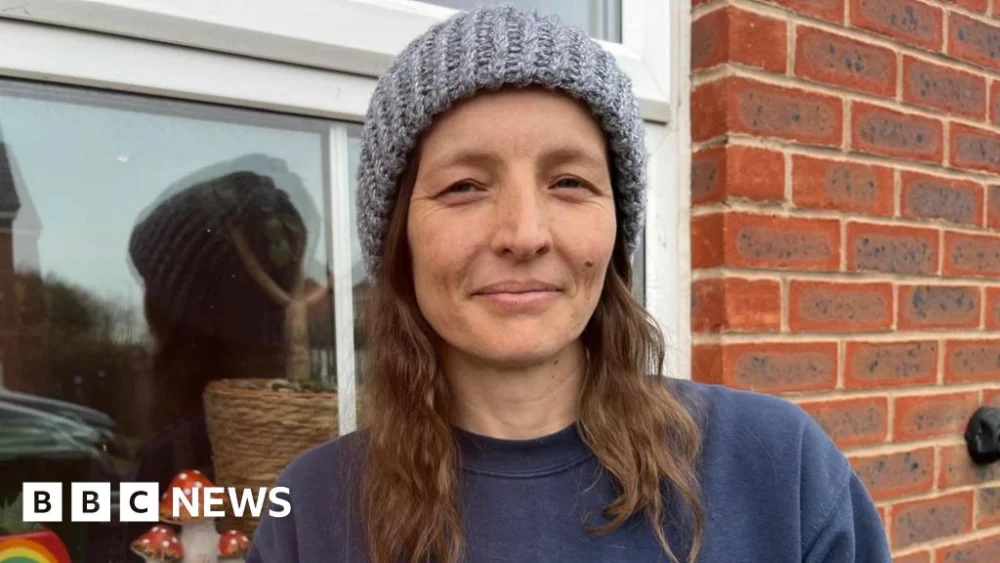
A harrowing account from a patient at Nottingham’s Queen’s Medical Centre (QMC) has painted a stark picture of the overwhelming pressures facing the hospital’s Accident and Emergency department. Lucy Buckle, 38, described scenes of extreme congestion and chaos during a critical incident on Tuesday, revealing that "every corridor I saw had people in beds." Her experience underscores the significant strain on Nottingham University Hospitals (NUH) NHS Trust, which has acknowledged that its hospitals remain "full," despite ongoing efforts to alleviate the situation.
Buckle’s visit to A&E was prompted by a dog bite that necessitated a tetanus jab and an assessment of the wound. Despite having heard about the critical incident at the hospital, she was advised by NHS 111 to attend the QMC as the best course of action to prevent potential complications, such as losing a finger. "I was quite resistant to going because I knew how busy it was going to be," Buckle admitted, "but they said that was my best course of action. I was told that I had to go and not risk losing my finger, so I was apprehensive."
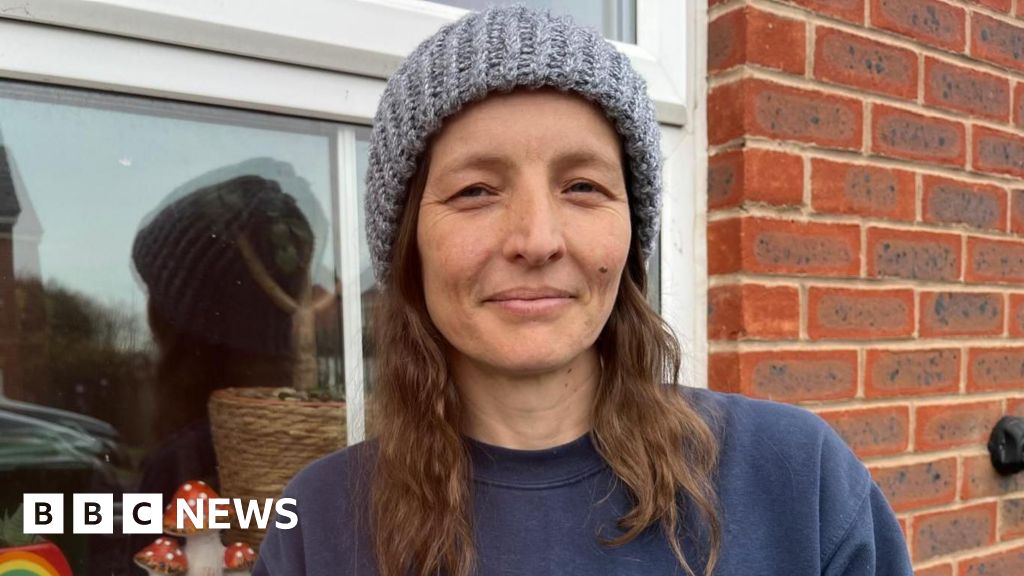
Upon arrival, Buckle found the A&E department to be "frightening," characterized by a "very loud and very chaotic" atmosphere. While she was seen relatively quickly due to the nature of her injury, her observations as she was moved around the hospital were deeply concerning. "It was so busy in [A&E], very loud, very chaotic… as I was moved around the hospital to different departments, every corridor had people in beds and I’d say the majority of those were the elderly," she recounted. The constant beeping of machines and the audible distress of patients in the corridors created an emotionally charged environment. "It was really quite upsetting at times when I was waiting for an X-ray, I could hear people calling out in the corridor," Buckle shared.
The sheer volume of patients, many of whom were elderly, stretched the resources of the department to their apparent limit. Buckle observed nurses and staff "running around trying to get to everybody as quickly as possible," a testament to their dedication amidst immense pressure. She expressed a sense of guilt for being present, not wanting to "take up a space unless I absolutely had to," but acknowledged the unsettling reality that such overcrowding could have dire consequences for those with more severe medical emergencies. "It was quite scary to think if I was in there for a heart attack or something really serious," she stated.
Despite the overwhelming conditions, Buckle was effusive in her praise for the hospital staff. She highlighted their unwavering professionalism and their ability to maintain a positive demeanor, even when encountering "aggressive people." "They were amazing… everybody was so professional and they really did put me at ease," Buckle said. She emphasized the vital role these healthcare professionals play, stating, "I couldn’t work in that environment and we all need to be very grateful to them for keeping going everyday."
The critical incident declared by NUH on Tuesday highlighted the extreme pressures on its emergency services. The trust revealed that the QMC’s A&E department, designed to handle approximately 350 patients daily, was "regularly" seeing more than 500. This surge in demand has led to extended waiting times and the aforementioned overcrowding. Hospital bosses reiterated their plea for the public to use A&E only for genuine emergencies.
A spokesperson for NUH confirmed the ongoing challenges: "While our position is improving, we are still not where we need to be for our patients or staff and our hospitals are still full. We continue to take all actions we can, including opening more space, but you can help too by only attending A&E in an emergency." The trust also stressed the importance of timely patient discharge, urging individuals to "collect patients promptly" when they are ready to leave the hospital. This, they explained, is crucial for freeing up beds and facilitating the admission of new patients, thereby easing the overall congestion within the hospital system.
The situation at Nottingham’s hospitals is emblematic of a wider crisis gripping the NHS across the United Kingdom. Factors such as an aging population, increased prevalence of chronic conditions, staffing shortages, and the lingering effects of the COVID-19 pandemic have all contributed to unprecedented levels of demand. The strain on A&E departments, often the first point of contact for a wide range of medical issues, has become a particularly visible symptom of these systemic pressures. Patients facing long waits and overcrowded wards are a common occurrence, and the dedication of healthcare staff working under such arduous conditions is frequently lauded.
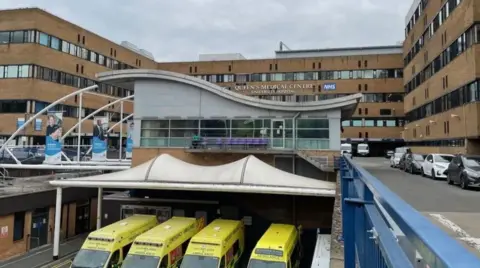
The experiences shared by Lucy Buckle serve as a poignant reminder of the human cost of these operational challenges. While the immediate medical needs of patients like her were addressed, the underlying systemic issues that led to the ‘every corridor had people in beds’ scenario require sustained attention and investment. The NUH trust’s acknowledgment that they are "still not where we need to be" indicates a recognition of the long road ahead in restoring optimal patient care and staff well-being. The call for public cooperation in utilizing emergency services appropriately and facilitating timely discharges is a practical measure, but it also highlights the shared responsibility in navigating these complex healthcare challenges. The dedication of the staff, as commended by Buckle, remains a cornerstone of the NHS, but their efforts are increasingly being tested by a system stretched to its limits. The images and accounts of overcrowded corridors are not merely statistics; they represent individuals in distress, waiting for care, and a healthcare system grappling with immense demand.




 Nakalama John
 atisusanti
 Ramos Leo
