
 Roy Suryo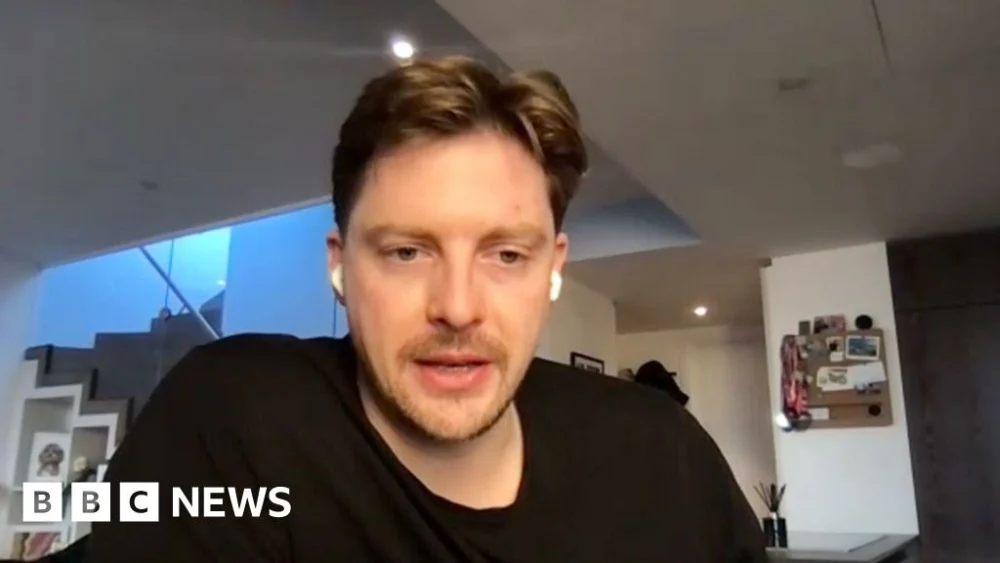
Dr. Alex George, a familiar face from the fourth series of the popular reality television show Love Island, has spoken candidly about the profound impact his recent diagnoses of Attention-Deficit/Hyperactivity Disorder (ADHD) and Obsessive-Compulsive Disorder (OCD) have had on his life. The former Accident and Emergency (A&E) medic, who hails from the picturesque county of Carmarthenshire in Wales but now resides in the bustling metropolis of London, has become a vocal advocate for better mental health support, particularly concerning the lengthy waiting times for diagnostic assessments. His personal journey, which saw him invest a significant sum of thousands of pounds for private ADHD and autism tests, has underscored the urgent need for accessible and timely mental healthcare for all.
In his newly released book, George delves deeply into the process of receiving these diagnoses, revealing that the symptoms he experienced were not a recent development but had been present since his childhood. He recounts instances from his formative years where he was unfairly blamed for his actions or inactions at school, even when he was not physically present. This anecdote highlights a recurring theme in the lives of many undiagnosed individuals with ADHD – a pervasive sense of misunderstanding and a struggle to navigate a world that often fails to accommodate their neurodivergent traits. The inability to pinpoint the root cause of these behavioral patterns and challenges led to a cycle of self-doubt and external criticism, a burden George now understands with the clarity of hindsight.
The journey to diagnosis was not a straightforward one for George. Like many others, he navigated a labyrinthine healthcare system, experiencing the frustratingly long waiting lists that are a common barrier to receiving timely support. The NHS, while providing essential services, often faces immense pressure, leading to delays that can have a significant detrimental effect on an individual’s mental well-being and overall quality of life. It was this prolonged wait and the escalating impact on his personal and professional life that prompted George to seek private assessments. This decision, while financially burdensome, offered a quicker path to understanding and, crucially, to developing coping strategies and management plans. The financial disparity in accessing private versus public healthcare is a critical issue George has raised, advocating for a system where essential diagnoses and treatments are not contingent on one’s ability to pay.
George’s candid sharing of his personal experience is a testament to his growing commitment to destigmatizing mental health conditions. By openly discussing his ADHD and OCD, he aims to dismantle the societal misconceptions and judgments that often surround these neurodevelopmental and mental health disorders. He recognizes that his public profile provides a unique platform to amplify these crucial conversations and to encourage others who may be struggling in silence to seek help. His narrative emphasizes that these are not character flaws or failures of willpower, but rather neurological differences that require understanding, support, and appropriate interventions.
The impact of his diagnoses, as George states, has been "completely life-changing." This is not an overstatement. For many individuals, a diagnosis acts as a powerful validation, an explanation for lifelong struggles that may have previously been attributed to personal shortcomings. For George, understanding the underlying reasons for his challenges – the impulsivity, the difficulties with organization, the intense focus on certain interests, and the intrusive thoughts associated with OCD – has been liberating. It has provided him with the language and the framework to comprehend his own experiences and to approach them with self-compassion rather than self-criticism.
With ADHD, George can now identify the origins of his often hyperactive mind, his tendency to hyperfocus on tasks that capture his attention, and his struggles with executive functions such as planning, prioritizing, and time management. This understanding allows him to implement strategies that work with his brain, rather than against it. He can now seek out tools and techniques that enhance his productivity and well-being, rather than feeling perpetually overwhelmed and inadequate. The constant internal battle of trying to conform to neurotypical expectations has begun to subside, replaced by a more authentic and sustainable approach to life.
Similarly, the diagnosis of OCD has provided George with a clearer understanding of the intrusive thoughts and compulsive behaviors that may have manifested in various ways throughout his life. OCD is often misunderstood as simply being "tidy" or "particular," but its reality is far more complex and distressing. George’s experience likely involves the significant anxiety and distress that intrusive thoughts can cause, and the compulsive behaviors undertaken to alleviate that anxiety, creating a debilitating cycle. Understanding this cycle is the first step towards effective management and treatment, which can involve therapy, medication, and lifestyle adjustments.
The transformation George describes is not about "curing" ADHD or OCD, but about learning to live with them effectively and meaningfully. It’s about developing a toolkit of strategies, seeking appropriate professional support, and cultivating a supportive environment. His advocacy for improved waiting times is a direct consequence of his own journey. He understands the immense emotional and practical toll that delays can take, particularly when individuals are in distress and seeking answers. The financial burden of private assessments is a privilege not afforded to everyone, and George is acutely aware of this disparity. His call for action is not just personal; it is a plea for systemic change that prioritizes mental health accessibility for all, regardless of socioeconomic status.
Furthermore, George’s background as a medical professional lends significant weight to his advocacy. Having witnessed firsthand the pressures on the healthcare system and the challenges faced by patients, his insights are informed by both professional expertise and personal lived experience. This dual perspective allows him to articulate the issues with a depth and nuance that resonates with a wide audience. His transition from A&E doctor to public figure and mental health advocate signifies a powerful shift, where he is now using his platform to effect change beyond the confines of the hospital ward.
The book and his public statements are more than just a personal narrative; they are a call to action for greater societal awareness and support. George’s openness is contributing to a broader cultural shift, encouraging conversations about neurodiversity and mental health that were once taboo. By sharing his story, he is empowering others to recognize their own symptoms, to seek diagnoses, and to advocate for the support they deserve. His journey exemplifies the transformative power of understanding and acceptance, both for the individual and for society as a whole. The "completely changed" aspect of his life is not just about receiving labels, but about gaining self-awareness, finding effective strategies, and ultimately, embracing a more authentic and fulfilling existence. His ongoing work is a testament to the belief that with the right support and understanding, individuals with ADHD and OCD can not only manage their conditions but thrive.


 Nakalama John
 atisusanti
 Ramos Leo
 Nana Banana
 George Anjay